Home › Weed Control and Hydroseed Spot Repair
Our hydroseeding spot repair in Denver, CO targets bare patches, washouts, and weed problems in new lawns. We treat or remove weeds safely, prep the soil, and reapply hydroseed exactly where needed. This keeps your yard uniform, healthy, and easy to maintain.
Legendary Hydroseeding Denver provides professional hydroseeding spot repair throughout Denver, CO, Colorado and the surrounding area. Our licensed, insured crew delivers safe, clean, on-time work with a free estimate before anything begins. Call 720-734-8802 or request your free quote.
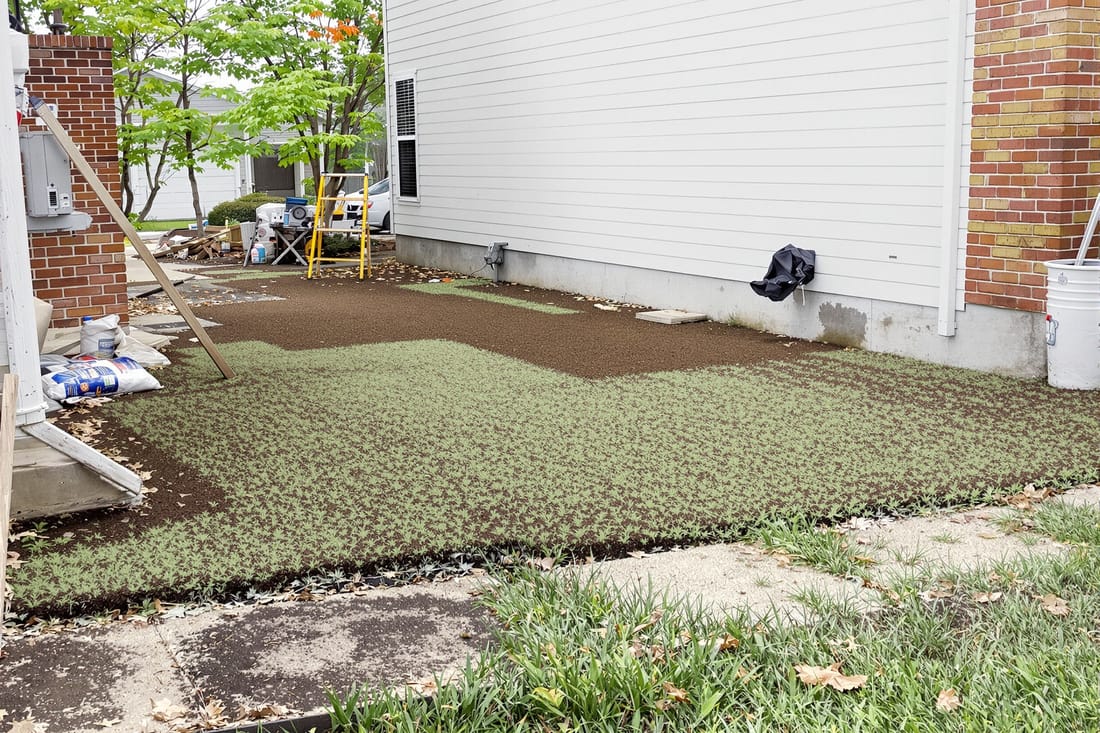
Targeted weed control for Denver hydroseeded lawns
Weed control in a hydroseeded yard works best when it is planned from day one and adjusted to Denver’s conditions. At Legendary Hydroseeding Denver, we start by walking your property and identifying what is actually growing in the lawn. In this area we commonly see bindweed, dandelions, cheatgrass, and invasive crabgrass in newer subdivisions, as well as thistle and clover in older Denver neighborhoods like Park Hill and Harvey Park.
Instead of just spraying everything, we separate weeds into two groups: broadleaf (like dandelions and thistle) and grassy (like crabgrass or volunteer rye). This matters because products that remove broadleaf weeds can be safe for grass, while grassy weed control must be chosen very carefully around new hydroseeded turf. We also pay attention to lawn age, since many standard weed treatments cannot be used until hydroseed has been mowed several times.
For brand new hydroseeded lawns, the first line of defense is cultural control. That means getting watering, mowing height, and fertilization right so the grass fills in thickly. In thin or stressed areas, weeds move in first. When the lawn is established enough, we introduce selective herbicides that match the weeds present and the specific grass blend used in your hydroseed mix, such as Kentucky bluegrass and fescue blends that are common in Denver. Our goal is to reduce weed pressure without burning young turf or setting back the hydroseed you invested in.
How hydroseeding spot repair actually works
Hydroseeding spot repair is a focused way to fix bare or damaged patches instead of redoing the whole lawn. Legendary Hydroseeding Denver begins with a site visit to understand why the spot is failing. Common causes in Denver include irrigation heads that are out of adjustment, foot traffic paths near patios, dog urine spots, plow or snowblower damage from winter, and compacted soil near driveways.
Once we know the cause, we prepare the problem area. This usually means cutting out dead or heavily weedy turf, loosening the top 2 to 3 inches of soil, and adding soil amendments if the existing soil is too sandy, too compacted, or filled with construction debris (something we see often in newer builds in Stapleton/Central Park and Green Valley Ranch). We level the area to match the surrounding grade so you do not end up with dips that hold water.
Next, we blend a small batch of hydroseed that matches your existing lawn. Since most Denver lawns are bluegrass or bluegrass/fine fescue mixes, we customize the spot repair blend so repaired patches do not stand out in color or texture. The slurry includes seed, mulch, fertilizer, tackifier (a sort of glue to help it stick), and sometimes a soil conditioner if the underlying soil needs help. We spray that mixture only where needed, feathering the edges into the intact turf so the transition is seamless when everything fills in.
After application, we walk you through watering instructions specific to spot repairs. These areas usually need more frequent, shorter watering cycles than the rest of the yard for the first couple of weeks. When your system is zoned in large sections, we may recommend temporary hose-end sprinklers or manual tweaks to avoid overwatering established turf while keeping repairs moist enough for germination.
Coordinating weed control with new hydroseed growth
Weed control and hydroseeding spot repair have to be coordinated. Many people understandably want to tackle weeds right away, but spraying too early over hydroseed can reduce germination or injure tender seedlings. At Legendary Hydroseeding Denver we sequence the work so you get a healthy stand of grass without letting weeds take over.
If we are repairing a patch within an older lawn, we often treat the mature turf first with selective herbicides, but avoid the bare repair zone. Then we wait a safe interval before hydroseeding that spot. For some products, this is only a few days, for others, especially some pre-emergent crabgrass controls, it can be several weeks. We explain these timelines in plain language so you know what is happening and why.
In situations where weeds are already present in a bare area that needs repair, we commonly use a non-selective herbicide to clean it up, then remove dead debris and wait the appropriate label-directed period before applying new hydroseed. In tight Denver yards where there are gardens or trees close by, we often hand-weed sensitive spots instead and pair that with soil solarization or deeper cultivation to reduce the seedbank.
For brand new hydroseeded lawns, we rely first on proper mowing, watering, and fertilization, then introduce weed control only after the lawn has been mowed at least 3 times and is actively growing. That timing can vary by season. Spring and early summer projects may reach that point in 4 to 6 weeks, while late fall projects often wait until the following spring before any chemical weed control is considered.
Denver-specific challenges that affect spot repair and weeds
Denver’s climate and soils create very particular issues for hydroseeding spot repair and weed control. Our low humidity and intense sun mean areas near south-facing fences, sidewalks, and driveways dry out faster. Those edges often develop thin turf or bare patches that invite weeds. During a site visit, we check how close sprinkler heads are to these hardscapes and whether coverage is adequate, then adjust repair strategies accordingly.
Soils along the Front Range vary from heavy clay in older neighborhoods to fill dirt and decomposed granite in newer subdivisions expanding east and south of the city. In clay, water can sit on the surface, leading to shallow roots and algae on hydroseeded patches. In very sandy or fill soils, water runs through too fast and seed dries out. Our crews adjust mulch type, tackifier rate, and watering plans to match these conditions. For example, we might use a higher mulch rate and soil conditioner in sandy spots, and more aggressive aeration plus gypsum in compacted clay prior to spot repair.
Altitude also plays a role. Cooler nights can slow germination in spring and fall, so spot repairs may take a little longer to fill in than what you might read in general lawn guides written for lower elevations. We plan repair timing around Denver’s typical last frost dates and heat spikes so young grass is not stressed immediately after germination.
On the weed side, wind is a major factor. Along the I-25 and I-70 corridors, weed seeds blow in constantly from vacant lots, medians, and open space. That means even a perfectly installed hydroseed spot repair can see new weeds appear later if the surrounding yard is thin. We often recommend overseeding or a light topdressing in adjacent areas if we see the overall lawn density is low, which helps protect the repaired spot over the long term.
What affects cost for hydroseeding spot repair and weed control
Homeowners often want to know why one spot repair or weed control visit might cost more than another. At Legendary Hydroseeding Denver we price based on actual site conditions instead of flat one-size-fits-all formulas. Several key factors influence cost:
First is the size and number of repair areas. One large open patch is more efficient to repair than ten small scattered spots around a property, since setup time and material changes are more significant with many tiny areas. Second is access. Backyards that can only be reached through narrow gates or steep side yards may need smaller equipment and more labor.
Soil correction is another driver. If we simply need to scuff the surface and apply a matching hydroseed mix, costs stay lower. When we have to haul in topsoil, remove builder’s debris, or perform deep aeration and soil amendments, that adds time and materials. Weed pressure also affects pricing. Lawns with extensive broadleaf and grassy weeds may need multiple visits, targeted products, and follow-up inspections, while lighter weed situations can be handled in a single integrated treatment.
Season and water access matter as well. In mid-summer, we may recommend extra mulch or moisture-retaining additives on spot repairs, plus more site visits for monitoring, which can increase cost compared to a simple spring repair. If your irrigation system is not functioning correctly, we either have to use temporary water setups or schedule repairs that tie into the overall project cost.
Before any work begins, we provide a written estimate that outlines how many spot repairs we are doing, what type of weed control approach we recommend, what seed blend will be used, and what preparation is included. This way you know exactly what you are paying for and how it supports long term lawn health, not just a quick cosmetic fix.
How to prepare your Denver lawn and what to expect
A little preparation on your part makes weed control and hydroseeding spot repair smoother and more effective. If possible, mow the lawn to the recommended height before we arrive, usually around 3 inches for most Denver cool-season grasses. This helps us see the problem areas clearly. Mark any sprinkler heads, valve boxes, or shallow utilities in the repair zones so our crew can avoid damage when loosening soil.
We also suggest you clear toys, furniture, and pet waste from the yard before the appointment. Pet urine spots are a common cause of damage, so we may ask about dog habits and recommend slight layout adjustments, like shifting a dog run or creating a designated gravel area, to protect new hydroseeded patches.
During service, we do our best to keep disruption low. Spot repair and localized spraying usually take only a few hours for a standard Denver residential lot. You can expect some green or brown staining on repaired areas from the hydroseed mulch, which fades as the grass grows. We will leave you with written watering and mowing instructions specific to your project, including how to adjust for typical Denver watering restrictions.
After installation, consistent watering is your most important job. We may schedule a follow-up visit to check germination and weed activity, especially on larger projects or ones completed in the shoulder seasons. If new weeds appear, we will talk through whether they should be treated right away or allowed to grow with the turf until the lawn is strong enough for safe treatment.
Our goal at Legendary Hydroseeding Denver is to leave you not only with repaired green patches, but also with a clear understanding of how to care for them so they blend seamlessly into the rest of your lawn and stay thick enough to keep future weeds in check.