Home › Playground and High-Traffic Area Hydroseeding
Our high traffic lawn hydroseeding in Denver, CO is designed for families, pets, and play. We use tough grass varieties and thicker mulch coverage to withstand heavy use. Perfect for playsets, paths, and dog areas that quickly wear thin with standard turf.
Legendary Hydroseeding Denver provides professional high traffic lawn hydroseeding throughout Denver, CO, Colorado and the surrounding area. Our licensed, insured crew delivers safe, clean, on-time work with a free estimate before anything begins. Call 720-734-8802 or request your free quote.
Hydroseeding Built for Playgrounds and High-Traffic Lawns in Denver
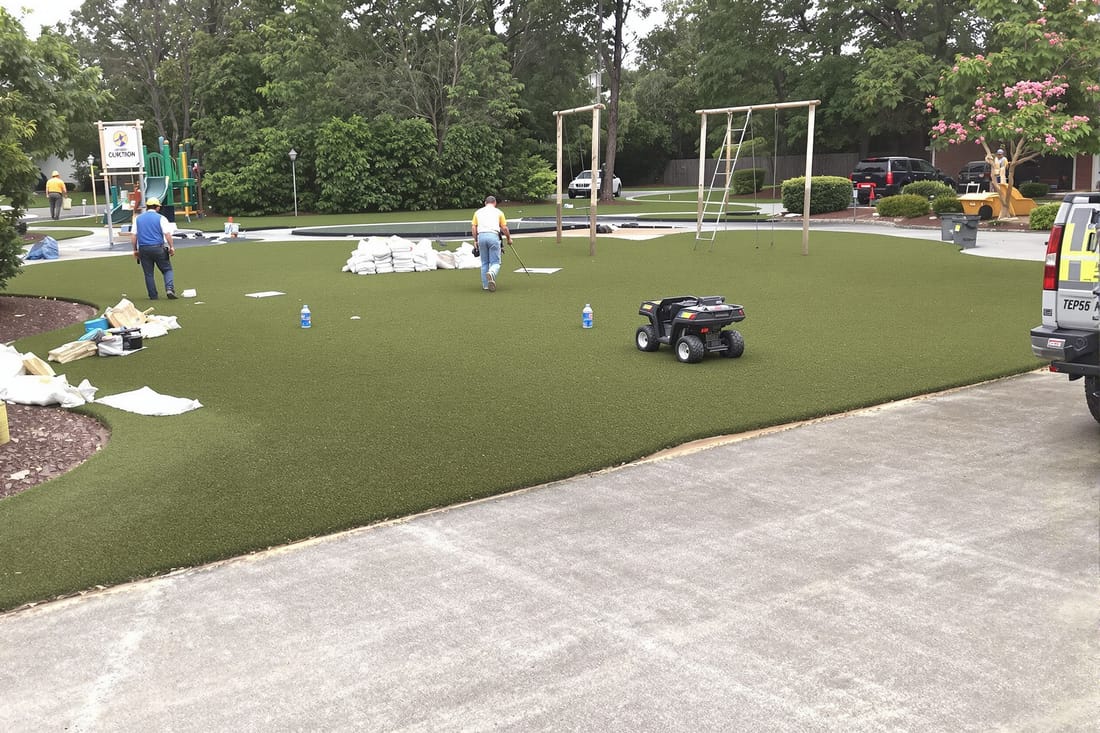
Playgrounds, sports areas, and busy common spaces are hard on grass. Traditional seed often washes out or never establishes, and sod can get ripped up fast. Legendary Hydroseeding Denver focuses on high traffic lawn hydroseeding that is designed to handle kids, pets, and constant foot traffic in our Front Range conditions.
For playgrounds and high-use zones, the goal is not just a green lawn. It is a dense, anchored root system that resists wear and recovers quickly. We combine tailored seed blends, durable mulch, and soil prep that accounts for Denver clay soils, slopes, and our freeze-thaw cycles. The result is a turf area that holds up longer and is safer under heavy use.
If you manage a school, HOA, dog area, or backyard play space, we design the hydroseed system around how your space is actually used. That means adjusting seed types in high wear lanes, reinforcing corners and goal-mouth areas, and accounting for shade, irrigation coverage, and drainage. The process is customized, not one-mix-fits-all.
How High-Traffic Lawn Hydroseeding Works Step by Step
Our process for playground and high-traffic area hydroseeding is more detailed than a standard lawn, because the stress on the turf is higher.
1. Site evaluation and use mapping: We walk the area with you to identify traffic patterns, bare spots, compacted zones, and safety concerns. On a playground we look at swings, slides, and run-out areas. On sports or open turf we look at entry points, sidelines, and goal or gathering spots.
2. Soil testing and preparation: For high traffic lawns in Denver, soil compaction is usually the biggest hidden problem. We check soil texture and penetration, then recommend core aeration, light tilling in damaged zones, or adding organic matter. On playgrounds, we pay close attention to transitions between grass and engineered wood chips or rubber, so edges do not rut and erode.
3. Grading and drainage tuning: Busy areas cannot stay muddy. We correct minor low spots, smooth ruts, and direct water away from play equipment. In Denver, sudden storms can drop heavy rain, so we build in enough slope and create micro-channels where needed to keep the surface playable and prevent seed washout.
4. Hydroseed mix selection: For high traffic lawn hydroseeding we usually use a blend of turf-type tall fescue and Kentucky bluegrass. Fescue provides deep roots and drought tolerance, while bluegrass spreads and helps self-repair. In shaded playgrounds we may add fine fescue. Near sidewalks or parking we sometimes incorporate more aggressive bluegrass to fill bare edges faster.
5. Slurry application: We load water, seed blend, fertilizer, tackifier, and high-quality mulch into the hydroseeder tank, then apply under pressure for an even, consistent coating. In very high wear zones we increase mulch and tackifier to improve protection and binding. Corners, paths, and entrances often receive a second light pass.
6. Final walkthrough and watering plan: We finish by setting a specific watering schedule for Denver conditions and your irrigation system, plus a realistic timeline for when the area can begin to handle foot traffic again.
Materials and Design Options For Tough, Durable Turf
The materials we choose for high traffic lawn hydroseeding are different from a standard backyard install. Legendary Hydroseeding Denver focuses on blends and additives that stand up to real use in Denver.
Seed blends: For most playground and heavy-use turf we recommend a majority turf-type tall fescue blend with 10 to 30 percent Kentucky bluegrass. This combination gives you deep roots, strong blades, and the ability to recover from wear. If you need very fast green-up for an event, we can add a small percentage of perennial ryegrass, but we will explain how that affects long-term durability.
Mulch types: High-use areas benefit from heavier mulch. We often use premium wood fiber mulch for its water holding and erosion control. On slopes or zones that tend to get run across while the lawn is young, we upgrade to a higher mulch rate or a bonded fiber matrix that locks in place better during sudden rainstorms.
Fertilizer and soil amendments: Compacted Denver soils usually need both nitrogen for growth and organic matter to help with structure. We can incorporate starter fertilizer, soil conditioners, and in some cases gypsum to help with clay. Around playground edges, we are conservative with nutrient rates to avoid rapid, weak growth that will simply wear off.
Reinforcement options: In the heaviest wear lanes, like under swing sets or regular soccer shooting zones, grass alone may not be enough. We can integrate turf reinforcement mesh or recommend combining hydroseed with rubber or mulch safety surfacing in key spots. The goal is to reduce bare dirt and mud while keeping the area safe and maintainable.
Costs, Timelines, and What Affects Your Price
High traffic lawn hydroseeding for playgrounds and busy common areas costs more than a simple front lawn because of the preparation and material levels required. Legendary Hydroseeding Denver prices each project based on several specific factors.
Square footage and layout: Larger open areas cost less per square foot than small, broken-up spaces with lots of edges and obstacles. A simple sports field rectangle is more efficient to spray than a playground with multiple structures, borders, and narrow strips.
Site condition: Compacted, rutted, or poorly graded ground requires more time. If we need to aerate, lightly till, bring in topsoil, or correct drainage issues, we will outline those costs separately so you can see exactly what you are paying for.
Material choices: Heavier mulch rates, upgraded bonded mulches, reinforcement mesh, or specialized seed blends add to the price but are often worth it in high traffic locations. We will show you a base option and stronger options for the highest wear zones so you can choose what fits your budget and durability needs.
Irrigation quality: Hydroseed without dependable watering is a gamble, especially in Denver's dry air. If your irrigation is incomplete or uneven, we may recommend temporary hoses and sprinklers, or small upgrades to your system, so that your investment is not wasted.
Typical timeline: Hydroseeding work itself is usually completed in one day for most playgrounds or community areas. Germination begins in 5 to 10 days in warm weather. Expect 4 to 6 weeks before light foot traffic, and 8 to 12 weeks before full play, depending on season and weather. We will give you a site-specific timeline before we start so you can plan around opening dates or events.
Denver Climate, Season, and Maintenance Tips for High-Use Turf
Denver's climate matters a lot when you are planning playground and high traffic lawn hydroseeding. Our altitude, sun intensity, and temperature swings affect when and how the work should be done.
Best seasons: In the Denver area, our preferred windows for high traffic hydroseeding are late April through early June and late August through mid October. Spring and early fall give cooler temperatures and more stable moisture, which helps grass root deeply before heavy use. Summer installs can work if watering is very consistent, but we will be straightforward about the extra attention required.
Watering in Denver conditions: Right after hydroseeding, you need frequent, shallow watering to keep the mulch consistently damp, not soaked. As the grass emerges, we gradually shift to deeper, less frequent watering to build root depth. With our dry air and strong sun, skipping several days of watering can seriously set back a new high traffic lawn, especially on south-facing slopes.
Mowing and fertilizing: Once the grass reaches about 3 inches, you can start mowing with sharp blades, taking off no more than one third of the height. Regular, careful mowing thickens the turf and helps it resist wear. For busy areas, we may suggest a follow-up fertilizer program 6 to 8 weeks after germination to strengthen the stand before heavy use resumes.
Traffic management during establishment: For playgrounds and sports areas, plan for temporary barriers, signage, or rerouted access. Even light foot traffic in the first few weeks can create permanent thin spots in high wear lines. We help you plan how to reopen in stages so you get a usable, safe space without undoing the work you just invested in.
What To Ask Before You Hire A Hydroseeding Contractor
Not every hydroseeding contractor treats playgrounds and high traffic lawns differently from basic residential work. Legendary Hydroseeding Denver recommends asking specific questions so you know you are getting a system built for heavy use, not just a green surface for photos.
Ask about seed blend details: Have them specify the exact species and percentages they will use for your project, and why. For Denver high traffic areas, you should hear about turf-type tall fescue and Kentucky bluegrass at a minimum, with a clear explanation of how the blend handles wear.
Ask how they address compaction: If a contractor does not talk about aeration, soil prep, or compaction testing, the grass is unlikely to last under heavy use. The best results come from fixing the soil first, then spraying.
Ask about mulch rate and erosion control: High traffic lawn hydroseeding should use higher mulch rates or upgraded mulches in key zones, especially where storms or incidental traffic could disturb the surface before the grass is established.
Ask for a realistic use timeline: Be wary of anyone who promises a fully playable field or playground in a few weeks, regardless of season. In Denver, altitude and climate slow establishment compared to lower, more humid regions. A responsible contractor will give you a seasonally-adjusted, conservative schedule.
Ask about follow-up: Hydroseeding is not a one-and-done job for high traffic areas. We include clear aftercare instructions and are available to review problem spots, recommend overseeding if needed, and adjust your plan based on how the space is actually being used in the first season.