Home › Commercial Site Preparation, Grading, and Topsoil
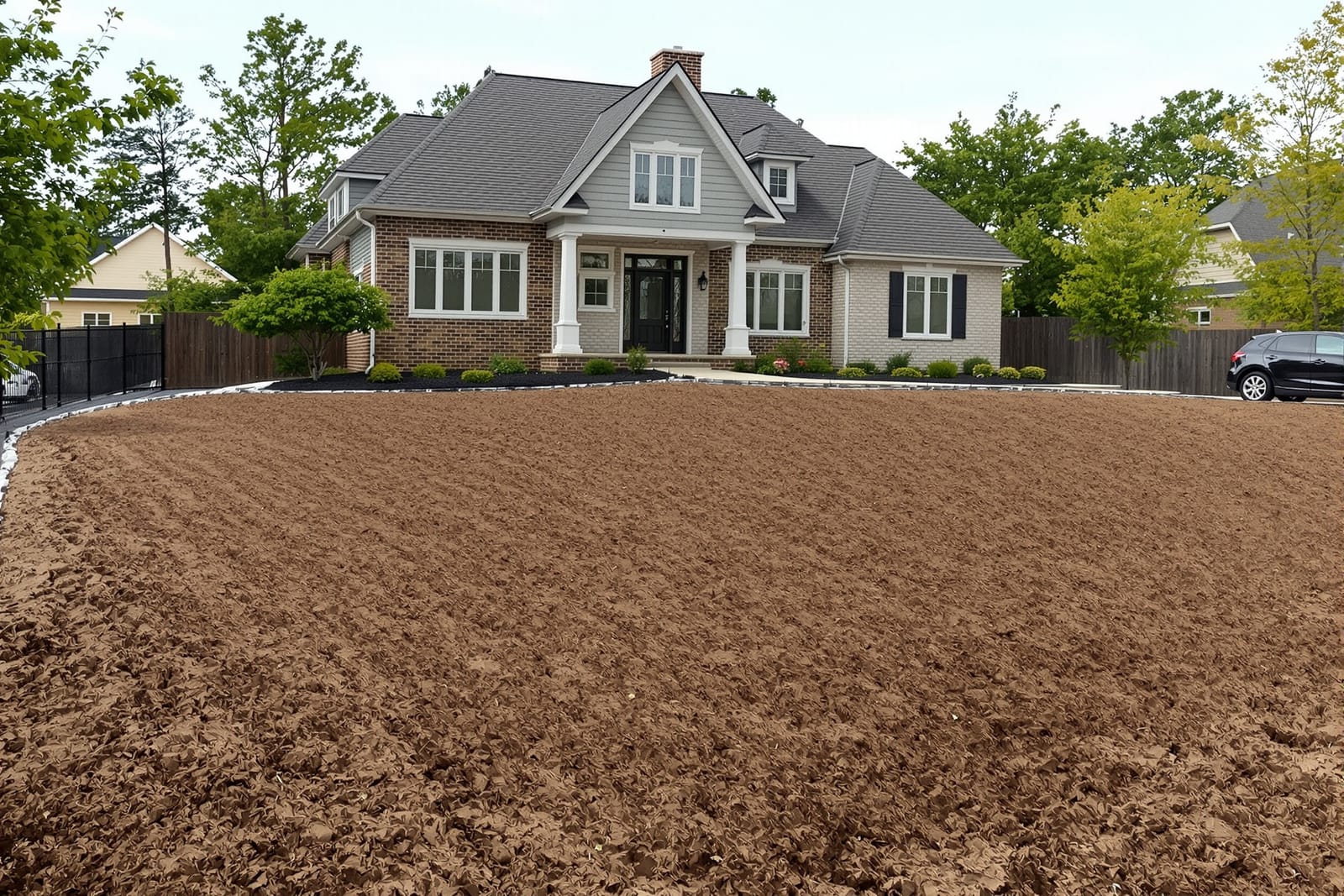
Our commercial hydroseeding site prep in Denver, CO provides smooth, consistent surfaces for large landscapes. We coordinate with earthwork crews on mass grading, topsoil depth, and fine grading. Proper preparation improves turf performance and drainage on big commercial projects.
Legendary Hydroseeding Denver provides professional commercial hydroseeding site prep throughout Denver, CO, Colorado and the surrounding area. Our licensed, insured crew delivers safe, clean, on-time work with a free estimate before anything begins. Call 720-734-8802 or request your free quote.
Commercial Site Prep That Sets Hydroseeding Up To Succeed
For commercial hydroseeding to perform the way it should, the site prep has to be right. Legendary Hydroseeding Denver focuses on the parts most property managers and GC’s never see: subgrade shaping, drainage planning, and building a topsoil layer that actually holds seed and moisture in Colorado’s climate.
On a typical Denver project, we start by walking the site with your plans in hand. We look at building layouts, parking lots, utilities, and any existing grades, then compare that to how you want turf, native seed, or erosion control areas to function. A medical office in Lakewood needs smooth, easily mowed slopes. An industrial yard along I 70 might prioritize durability and dust control. That use case determines how we shape and finish the ground.
Because we only work in the Front Range, we are familiar with Denver’s fill soils, compacted construction pads, and those hard clay subgrades you find in newer developments around Stapleton and Green Valley Ranch. We plan site prep so your hydroseed mix does not just sit on top of concrete-like dirt but roots into a stable, moisture holding profile.
How We Grade Commercial Sites For Hydroseeding
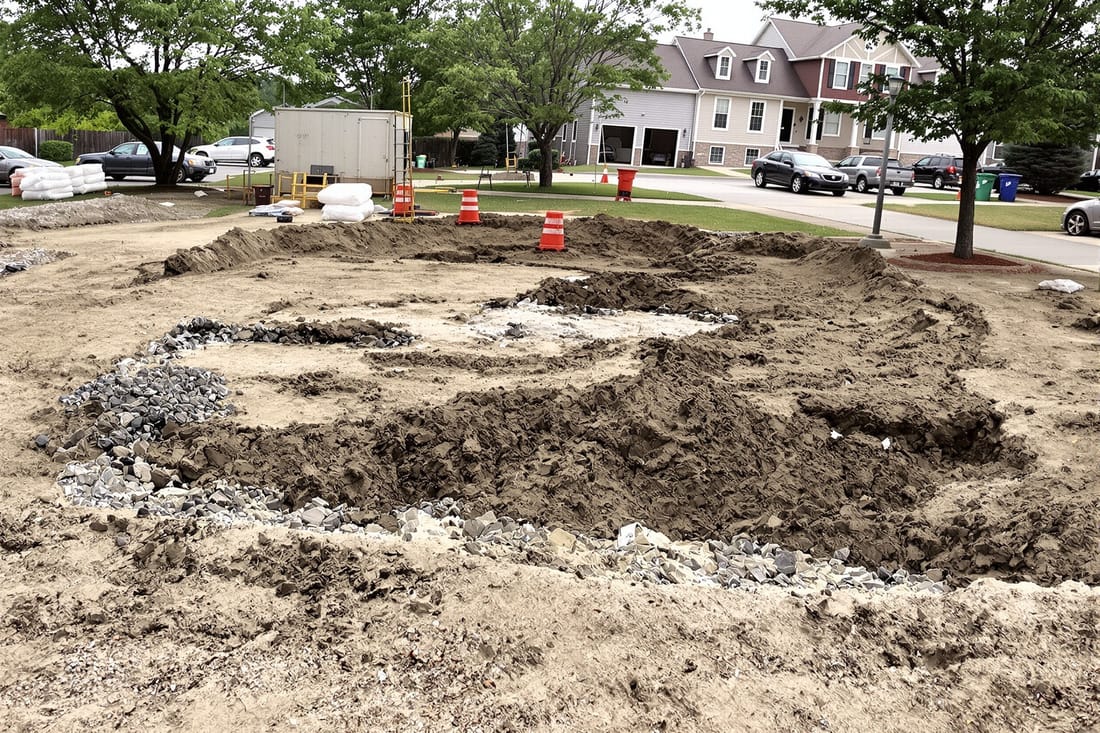
Good grading is more than knocking down high spots. For hydroseeding, we need a smooth, consistent surface with predictable water movement. Legendary Hydroseeding Denver typically works from your civil drawings, then adjusts in the field where reality does not match the paper.
We use skid steers, tractors, and laser levels to establish proper slopes away from buildings, sidewalks, and retaining walls. In Denver, that usually means creating a minimum of 2 percent fall for the first few feet from structures, then transitioning to broader, gentler slopes that are comfortable to walk and mow. Around parking lots and drive lanes, we pay close attention to curb lines and inlets, so water does not pool in landscaped islands or run straight across bare soil and cause ruts.
A common issue on commercial projects is over-compaction from heavy equipment. If we try to hydroseed directly on that, water pools, seed floats, and roots struggle to penetrate. So as part of grading, we often scarify or rip the upper few inches of subgrade before shaping. This breaks up crusted clay and helps tie the subgrade to the topsoil that will go on top.
We also work around Denver’s freeze-thaw cycle. Areas that collect water in fall can become icy hazards in winter. During grading, we identify low pockets and adjust slopes or create shallow swales so water has a defined path to drains or outfalls. That kind of detail is hard to fix after the landscape is installed, so we solve it while the equipment is still on site.
Topsoil Selection, Depth, And Blending For Denver Conditions
Topsoil is where your hydroseeded turf or native mix actually lives, so getting this layer right matters more than most people realize. Denver’s native soils tend to be alkaline and low in organic matter, especially on newer commercial pads where the original topsoil was stripped and hauled off. Legendary Hydroseeding Denver evaluates what is on site, then recommends how much imported topsoil is actually needed instead of simply guessing by the truckload.
For commercial hydroseeding site prep, we usually target 4 inches of well blended topsoil for standard lawn areas, and 2 to 3 inches for low maintenance native seed zones, depending on your specs and budget. In high visibility locations like office entrances or retail pads, going a bit deeper can reduce irrigation needs and bare spots later. We discuss tradeoffs with you upfront so you are not surprised by cost or performance.
We source screened topsoil from local suppliers and check for texture and rock content. For hydroseeding, we prefer a loamy mix that holds moisture but still drains. If the imported material is too sandy, the site dries out fast in summer. If it is too heavy in clay, you get crusting and poor germination. When needed, we recommend adding compost or soil amendments to improve structure and organic content, especially on large sloped areas where erosion is a concern.
Placement is just as important as the material itself. We spread topsoil evenly, then blend it lightly into the subgrade so you do not end up with a “slip layer” that can shear off on slopes or under heavy foot traffic. The final step is fine grading the topsoil to a smooth, stone free surface. This gives the hydroseed slurry consistent contact with the soil, which is critical for even germination and a uniform stand of grass or natives.
What Drives Cost And Common Problems We Prevent
Commercial hydroseeding site prep costs in Denver are driven mainly by access, existing conditions, and how precise the finish needs to be. Large open sites like logistics centers along E 470 are more efficient to grade than tight infill projects downtown where we must work around utilities, fences, or staged materials. The more mobilizations and machine moves we need, the more time and cost.
Existing soil quality is another major factor. If the site already has decent topsoil that was stripped and stockpiled properly, we can usually re use and supplement, which keeps costs down. If we are dealing with rocky fill, construction debris, or highly compacted clay, we may need more ripping, screening, or imported material. Legendary Hydroseeding Denver will point these conditions out before we start so you can plan realistically.
We also design around Denver’s winds and intense summer storms. Poorly prepared slopes can lose seed and topsoil during the first big rain. To prevent that, we adjust grades to reduce overly steep sections where practical, specify appropriate erosion control (like blanket, netting, or tackifier) on critical slopes, and make sure water has clear paths away from vulnerable areas. Around detention ponds and bioswales, we pay special attention to overflow paths so hydroseeded areas do not get scoured during peak events.
Another common problem is mismatch between irrigation layout and final grades. If spray zones and rotors were drawn for one grade and the field conditions end up different, you get dry spots and wasted water. When we coordinate with your irrigation contractor, we fine tune slopes and elevations so heads sit at proper height and coverage matches the as-built landform. That kind of cooperation saves you from callbacks and patch repairs after the fact.
Our Process And How To Get Your Project On The Schedule
Legendary Hydroseeding Denver works best when we are involved early, even if you only have preliminary civil plans. We start with a project review, either onsite or in the office. You share site drawings, landscape plans, and any municipality requirements, and we walk through which areas will be hydroseeded, which will get sod or plantings, and what performance you expect from each zone.
Next, we develop a site specific plan for commercial hydroseeding site prep. This outlines rough and fine grading limits, target slopes, topsoil depths, and any special treatments such as soil amendments or erosion control. If you already have a general contractor on board, we coordinate our work with theirs so the building pad, utilities, and paving sequence does not interfere with finishing the landscape areas.
Onsite, we phase the work so we are not in the way of other trades. We typically rough grade first, confirm drainage paths in the field, then bring in topsoil and complete fine grading just ahead of hydroseeding. This minimizes the time finished soil sits exposed, which helps avoid ruts, compaction, and weed growth. Before we spray a single gallon of slurry, we do a final walk with you or your superintendent to confirm grades, coverage areas, and access points.
If you want to move forward, the easiest way to begin is to send us your site plan and any geotechnical or soils information you have. From there, we can provide a detailed proposal that breaks out grading, topsoil, and hydroseeding so you can see where your budget is going. Whether you are building a new warehouse park in Commerce City or renovating an older office complex along Colorado Boulevard, our goal is to leave you with a site that drains correctly, supports healthy turf or natives, and is ready on time for your inspections and tenant move ins.