Home › Solar Farm and Energy Project Hydroseeding
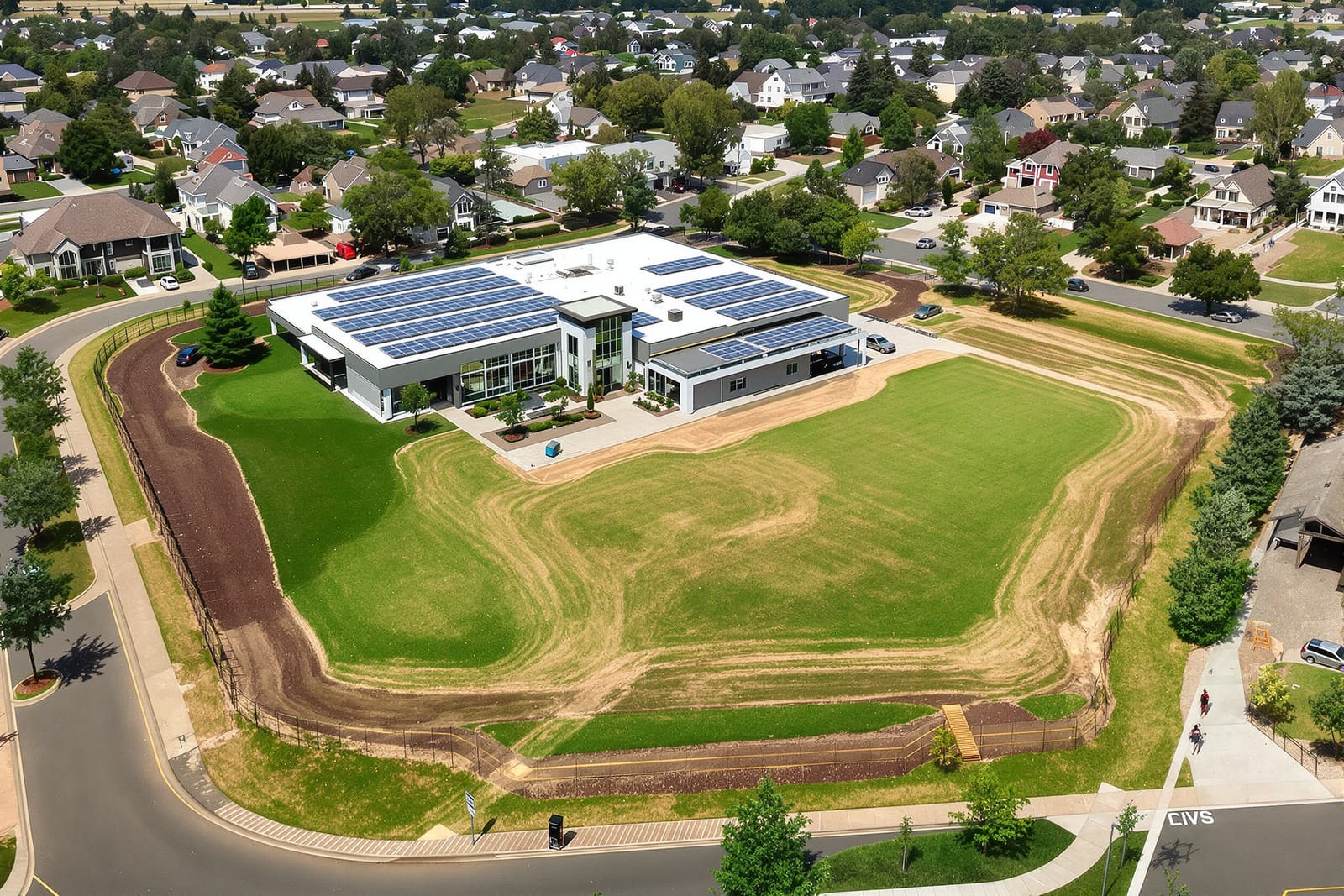
Our solar farm hydroseeding in Denver, CO stabilizes soil around and under panel arrays. We install low growing grasses and native mixes that reduce dust and erosion without shading panels. Hydroseeding helps energy projects meet environmental requirements while protecting infrastructure.
Legendary Hydroseeding Denver provides professional solar farm hydroseeding throughout Denver, CO, Colorado and the surrounding area. Our licensed, insured crew delivers safe, clean, on-time work with a free estimate before anything begins. Call 720-734-8802 or request your free quote.
Solar Farm Hydroseeding in Denver’s High Plains Climate
Solar farms around Denver face two competing needs: keeping vegetation low around panels while controlling dust and erosion in a semi‑arid, windy climate. Legendary Hydroseeding Denver focuses specifically on solar farm hydroseeding solutions that balance both. We design seed and mulch systems that stabilize soil on large disturbed areas, protect cable trenches and access roads, and reduce maintenance around racking systems.
Energy projects east of I‑25, in places like Aurora, Brighton, and along the I‑70 corridor, sit on soils that range from loose sandy loam to compacted fill. These sites often see strong downslope winds and sudden summer cloudbursts. Our hydroseeding approach is built around those conditions. We use mixes that tolerate limited irrigation, intense sun exposure, and wide temperature swings, while still forming a dense enough cover to hold soil in place and limit dust on panels.
Whether you are developing a new utility‑scale array or expanding an existing PV project near the metro fringe, we plan the vegetation strategy alongside your engineering team. That means thinking about setback distances from panel edges, inverter pads, underground conduits, fire‑safe access lanes, and long‑term operations and maintenance routines in the Denver region.
How Our Solar Farm Hydroseeding Process Works
Every solar farm hydroseeding project starts with a job walk. We review your grading plans, stormwater pollution prevention plan (SWPPP), and electrical layout, then inspect on‑site soils and slopes. In the Denver area, we commonly see compacted subgrade under arrays, topsoil stockpiles near site edges, and steeped detention basins. We map those zones separately because each needs a different seed mix and application rate.
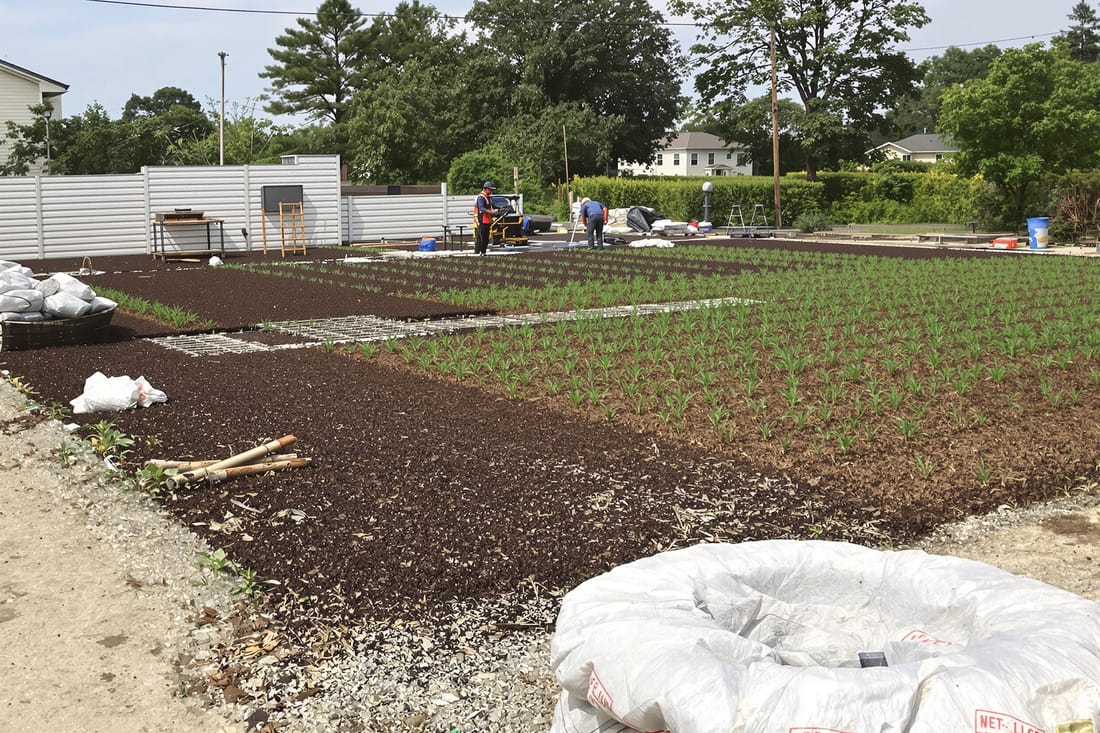
Once the site review is complete, we select the application method. For most solar projects we use a truck‑mounted hydroseeder for main fields and a smaller, skid or trailer unit for navigating between arrays and around inverter pads. We typically apply in two passes. The first pass includes water, tackifier, and a high quality mulch to protect seed from wind and sun. The second pass, where needed, adds extra mulch to slopes, cable trench corridors, and high‑traffic access routes.
Our crews are trained to work around energized equipment and to respect panel clearance limits. We coordinate with your site superintendent on staging, so we are not blocking tracker deliveries or electrical work. You will get a plan that sequences hydroseeding by area, for example, completing perimeter swales and detention cells first to satisfy local stormwater inspectors, then moving into interior blocks as racking is finished.
Seed Mixes and Materials Tailored to Colorado Energy Sites
Solar farm hydroseeding only works long term if the plant species match the site environment and your maintenance plan. Legendary Hydroseeding Denver builds seed mixes that factor in water availability, panel height, and fire concerns. On dryland projects near Denver International Airport or Watkins, we often recommend low‑growing native and adaptive grasses that remain short, root deeply, and handle minimal irrigation. For sites with planned drip or sprinkler systems, we can include more robust cover species that green up faster and tolerate occasional mowing.
We discuss whether you need all‑native, mostly native, or a pragmatic blend of natives and well‑behaved non‑natives. Utility owners sometimes prefer species that establish quickly to meet erosion control deadlines. Counties and municipalities may ask for more native content. We can create separate mixes for under‑array zones, perimeter buffers, and pollinator corridors between block rows. For clients seeking pollinator‑friendly certification, we incorporate regionally appropriate forbs and flowering species that do not grow tall enough to shade panels or interfere with wire management.
Material choices extend beyond seed. We adjust mulch type and rate for Denver’s wind and slope conditions. On exposed ridges we might use a higher mulch rate with a strong tackifier so it does not blow off within days. On flatter interior fields we may use a lighter rate to control cost while still meeting soil coverage requirements. For heavily compacted work pads or crane paths that you want partially revegetated but still accessible, we can pair hydroseeding with surface roughening so roots can penetrate and water can infiltrate.
Cost Factors and Budget Planning for Solar Hydroseeding
Solar farm hydroseeding pricing is not one flat rate per acre. Site layout and logistics around Denver affect both material and labor cost. Large, contiguous fields that we can reach with a single hose pull from the access road will be more economical than small, broken‑up blocks tucked between arrays with limited truck access. If we must shuttle with smaller units through narrow rows, that increases time and cost.
Seed mix specification is another driver. A basic erosion control mix is less expensive than a diverse native and pollinator blend that includes specialized species. We will show you side‑by‑side cost options, including mixes that meet typical county requirements in Adams, Arapahoe, or Weld without overspending. Mulch and tackifier rates also matter. Steeper slopes and high‑wind exposures require heavier applications, which add material cost but usually prevent the more expensive problem of rework.
Timing impacts pricing and performance. Spring and early fall are the best windows around Denver, when soil moisture is higher and temperatures are moderate. If construction schedules push seeding into mid‑summer heat or late fall, we may recommend soil amendments, additional mulch, or a phased approach. We are transparent about how those adjustments affect your budget so you can plan across the entire project rather than treating hydroseeding as an afterthought.
Managing Common Solar Site Challenges: Erosion, Dust, and Vegetation Height
Solar projects around Denver often sit in open, windy locations where topsoil is thin and slopes are newly cut. Without a targeted vegetation plan, you can face rilling on slopes, blown sediment at fence lines, and dust accumulation on panels. Legendary Hydroseeding Denver focuses on stabilizing those problem areas early. We identify critical slopes, outfalls, and perimeter swales, then specify higher mulch rates and stronger tackifiers in those zones to withstand the first major storm.
Dust control is another priority. Bare soil between arrays can create a long‑term cleaning burden for your O&M team. By using drought‑tolerant, lower‑growing grasses and groundcovers that knit the soil but stay below critical panel heights, we help reduce airborne dust while avoiding shading and excessive mowing. We coordinate with your O&M provider on target vegetation height, so the seed mix, expected growth, and maintenance equipment all line up.
We also plan for access. Construction traffic and future maintenance vehicles will keep using certain roads and turning areas. Instead of fighting those realities, we design hydroseeding patterns that reinforce shoulders and ditches while respecting travel paths. On steeper side slopes of access roads and detention ponds, we may recommend adding temporary biodegradable blankets on top of the hydroseed in the highest risk locations to keep soil and seed intact through the first runoff season.
What Denver Energy Developers Should Clarify Before Hiring
Before you bring in a hydroseeding contractor for a solar or battery project, a few details will save you time and change orders. Make sure you know which jurisdictional requirements apply to your site, including city or county revegetation rules and any conditions from your stormwater permit. Legendary Hydroseeding Denver can help interpret them, but having those documents ready allows us to align seed mixes and application rates with what inspectors are expecting.
Confirm where final grades and construction traffic stand. Hydroseeding should follow major earthwork and heavy equipment movement. If graders and trenchers will still be working in certain blocks for several weeks, we may phase the work to seed completed areas first and return for the rest. For Denver‑area projects, this is especially important before our spring and late summer storm seasons, when a partially stabilized site can see significant erosion if left too long.
Also discuss water availability. Even drought‑tolerant seed needs some moisture to establish. Tell us whether you will have temporary construction water, permanent irrigation, or only rainfall. For strictly rain‑fed sites east and south of Denver, we typically choose tougher mixes and may suggest slightly heavier seeding rates. For irrigated projects closer to the metro area, we can balance quick green‑up with long‑term low growth.
Finally, ask about experience on active energy sites. Our crews are familiar with site safety protocols, energized equipment clearances, and coordination with multiple trades. That familiarity keeps hydroseeding from becoming a bottleneck as you push toward mechanical completion and final stabilization thresholds.