Home › New Lawn Hydroseeding
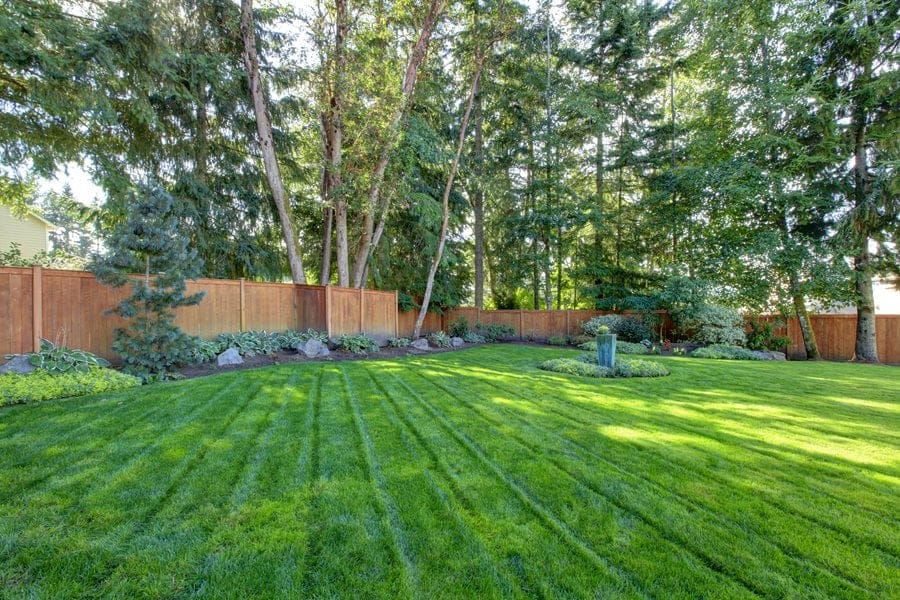
Our new lawn hydroseeding in Denver, CO is ideal for new construction and full yard makeovers. We grade, prep, and hydroseed with blends tailored to Colorado soils and climate. Enjoy a thick, even lawn that establishes quickly and costs far less than installing sod.
Legendary Hydroseeding Denver provides professional new lawn hydroseeding throughout Denver, CO, Colorado and the surrounding area. Our licensed, insured crew delivers safe, clean, on-time work with a free estimate before anything begins. Call 720-734-8802 or request your free quote.
New Lawn Hydroseeding for Denver Homes and Businesses
A new lawn is a long-term investment, and in Denver it has to stand up to altitude, intense sun, clay-heavy soils, and rapid weather swings. New lawn hydroseeding gives you a dense, healthy yard more quickly and more affordably than sod, with far better coverage than traditional hand seeding. Legendary Hydroseeding Denver focuses specifically on Front Range conditions, so your new lawn is chosen and installed for this exact climate, not a generic national spec.
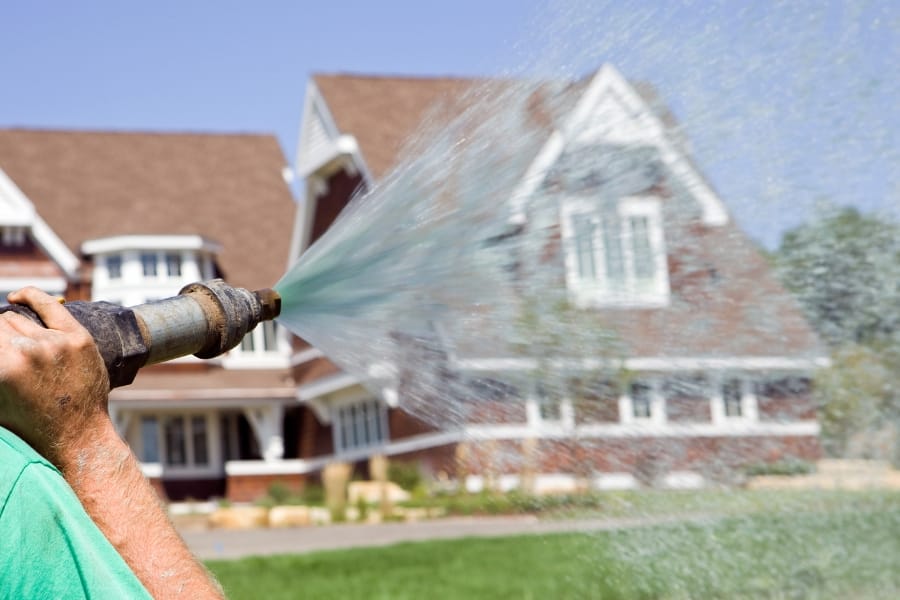
New lawn hydroseeding is a process where we spray a slurry of grass seed, mulch, fertilizer, tackifier, and water over prepared soil. The green or blue color you see is a temporary dye so we can confirm even coverage. As it dries, the mulch forms a protective mat that holds seed and moisture in place while roots establish. The result is an even, professional grade lawn surface without seams, gaps, or the transplant shock that sod often shows during hot, dry Denver stretches.
Whether you are finishing a new build in Stapleton, replacing a worn-out yard in Lakewood, or upgrading a compact city lot in central Denver, we tailor the hydroseed mix and application rate to your specific site so germination and coverage are as reliable as possible.
Step-by-step: How We Install a New Hydroseeded Lawn
Legendary Hydroseeding Denver follows a defined process for every new lawn hydroseeding job so you know exactly what will happen on your property.
First, we walk the site with you and flag problem areas: compacted paths, low spots that hold water, shallow utility lines, spray heads, and hard edges along sidewalks or rock beds. This walkthrough shapes our soil prep and application plan.
Second, we prepare the soil. In Denver, this usually means loosening the top 3 to 4 inches with a skid steer or tiller, breaking up the common hard clay layer, removing rocks and construction debris, and power raking to create a fine, smooth seedbed. If your new construction topsoil is thin or full of subgrade fill, we may recommend importing screened topsoil or adding soil amendments before hydroseeding.
Third, we fine grade. We set correct slope away from structures, blend high and low spots, and get a consistent surface that will mow cleanly once the grass is mature. Proper grading at this stage also avoids puddling that can rot new seedlings.
Fourth, we apply the hydroseed. Using a mechanically agitated tank, we blend your chosen seed mix with hydromulch, starter fertilizer, tackifier, and water. Then we spray it under controlled pressure, overlapping passes so there are no thin stripes or bare corners. Edges along concrete, rock, or planter beds are carefully cut in for a crisp boundary.
Finally, we provide you with a written watering and mowing plan tailored to the time of year and your irrigation system. We walk you through what the lawn will look like at 1 week, 3 weeks, and 6 weeks so you know what is normal and when to call with concerns.
Seed Mixes That Work in Colorado’s Front Range Climate
One reason many seeded lawns fail in Denver is using the wrong grass species. At Legendary Hydroseeding Denver we build our new lawn hydroseeding mixes specifically for the local combination of elevation, cold winters, dry air, and high UV.
For full sun front yards, we typically recommend a blend of Kentucky bluegrass varieties with a smaller percentage of perennial rye. The bluegrass fills in to create a thick, self-repairing turf, while the rye germinates quickly so you see green early and get erosion control sooner.
For partial shade or north-facing areas, we may introduce fine fescues that tolerate less light and lower water. On properties in higher or windier neighborhoods like Green Mountain or Castle Pines, we might shift the mix to slightly more drought-tolerant cultivars and adjust the fertilization plan to keep growth vigorous without excessive top growth that stresses in heat.
If you want a reduced-water lawn, we can design a hybrid bluegrass or turf-type tall fescue mix that uses less irrigation than traditional bluegrass, while still looking like a classic Denver lawn. For commercial or slope areas where appearance and erosion control matter more than a golf-course finish, we can specify more rugged blends that root aggressively and stabilize soil quickly.
Every mix is labeled and we record it in your project file. That way, if you ever need overseeding or spot repair, we can match the original seed so color and texture stay consistent.
Materials and Equipment: What Goes Into the Hydroseed Slurry
Not all hydroseed slurries are the same. The materials we load into our tanks at Legendary Hydroseeding Denver directly affect how fast your lawn establishes and how well it survives its first Denver winter.
We use high quality wood or blended hydromulch that holds moisture effectively and breaks down gradually into organic matter. For new lawns in steeper or wind-prone areas, we often increase mulch rates or use heavier bonded fiber mulches to reduce erosion from summer thunderstorms and chinook winds.
Starter fertilizer is selected to encourage root development with balanced phosphorus and controlled nitrogen so the grass does not grow leggy and weak. On very poor or sandy soils, we may add soil conditioners to help with nutrient uptake and moisture retention.
Tackifier is a glue-like additive that helps the mulch and seed cling to the soil surface. In Denver’s gusty conditions and on slopes, choosing the correct tackifier rate is the difference between keeping your seed on the hill and finding it in the gutter after the first storm.
All of this is mixed in a mechanically agitated hydroseeding tank mounted on a truck or trailer. Mechanical agitation is important because it keeps seed and mulch suspended evenly so your yard receives a consistent application, not clumps in some areas and thin coverage in others.
Costs, Site Conditions, and What Affects Your Price
New lawn hydroseeding is usually more cost effective than sod in Denver, particularly on larger areas, but final pricing depends on several specific site factors. Legendary Hydroseeding Denver is straightforward about these variables so you can budget accurately.
Total square footage is the biggest driver. Hydroseeding is priced by the square foot, and we measure carefully to avoid charging you for areas that are not being treated, such as patios, rock beds, or naturalized sections.
Site access matters too. If our truck and hose lines can easily reach all areas, production is faster and costs are lower. Tight side yards, steep slopes, or backyards that require running long hose lengths or using smaller equipment can increase labor time.
Soil condition is another factor. A yard that only needs light power raking and grading will cost less than a compacted construction pad that requires deep tilling, debris removal, and imported topsoil. Sometimes the most economical approach is a two-phase project where we correct the worst soil issues first, then hydroseed.
The seed mix also has an impact. Specialty drought-tolerant or premium bluegrass blends cost more than standard mixes, and higher mulch or tackifier rates for erosion control will slightly raise material costs. We itemize these choices in your quote so you can see where your money goes and choose the options that best match your goals.
Timing, Watering, and Common Problems in Denver Yards
In the Denver area, timing is critical for new lawn hydroseeding. Our primary windows are spring and early fall when soil temperatures favor germination and daytime highs are not extreme. We can hydroseed in summer, but we will adjust watering recommendations and mulch rates to handle heat and rapid evaporation.
Watering is the responsibility that will make or break your new lawn. For the first 2 to 3 weeks, the goal is to keep the hydroseeded surface consistently damp, not flooded. This usually means short, frequent irrigation cycles starting in the early morning and possibly mid-day, then tapering as seedlings mature. We help you program your controller or provide a manual watering schedule if you do not have an automated system.
Common problems like uneven germination, wind scouring, or dog damage are addressed directly in our aftercare guidelines. If you see a thin patch developing, we can typically correct it with spot overseeding and adjusting your watering pattern. For windy locations, we might recommend a light straw cover at specific edges or a slightly heavier mulch application from the start.
Another Denver-specific challenge is rapid weather change. A late spring snow after hydroseeding is usually not harmful, but a sudden hard freeze may slow germination. We factor typical weather patterns into our scheduling and will advise you if a particular week looks too risky for best results.
Why Work With a Local Hydroseeding Specialist
Choosing a local company for new lawn hydroseeding matters because grass varieties, soil prep standards, and watering strategies that work somewhere else may fail at 5,280 feet. Legendary Hydroseeding Denver focuses on the Denver metro and nearby communities, which means our crews are used to everything from compacted infill lots to new builds on expansive clay.
We are familiar with local building practices, so we know to look for buried construction debris, shallow irrigation lines, and inconsistent topsoil installation on new homes. We also understand local watering restrictions and can design your establishment plan around the typical rules in Denver, Lakewood, Aurora, and surrounding districts.
Our work is not finished when the truck leaves. We encourage customers to call or send photos during the establishment period so we can help troubleshoot issues before they become serious. Over time, this local feedback loop has allowed us to refine our seed mixes, mulch choices, and application techniques specifically for Front Range conditions.
The result is a new hydroseeded lawn that is not just green at the start, but capable of thriving for years under Denver’s real-world weather and water limitations.