Home › Dust Control and Soil Stabilization
Our dust control hydroseeding in Denver, CO stabilizes exposed soils on construction sites, stockpiles, and laydown yards. We apply specialized mulches and tackifiers that bind soil particles, reduce dust, and limit erosion. Options include temporary sprays and vegetated stabilization using seed.
Legendary Hydroseeding Denver provides professional dust control hydroseeding throughout Denver, CO, Colorado and the surrounding area. Our licensed, insured crew delivers safe, clean, on-time work with a free estimate before anything begins. Call 720-734-8802 or request your free quote.
Dust control hydroseeding that actually works in Denver conditions
If you have a dusty site in the Denver area, you already know the problem does not stay put. Wind coming off the Front Range can turn a construction pad, haul road, or stockpile into a neighborhood complaint in a single afternoon. Legendary Hydroseeding Denver specializes in dust control hydroseeding and soil stabilization that is matched to our local semi-arid climate and clay-heavy soils, so you get results that last longer than a water truck pass.
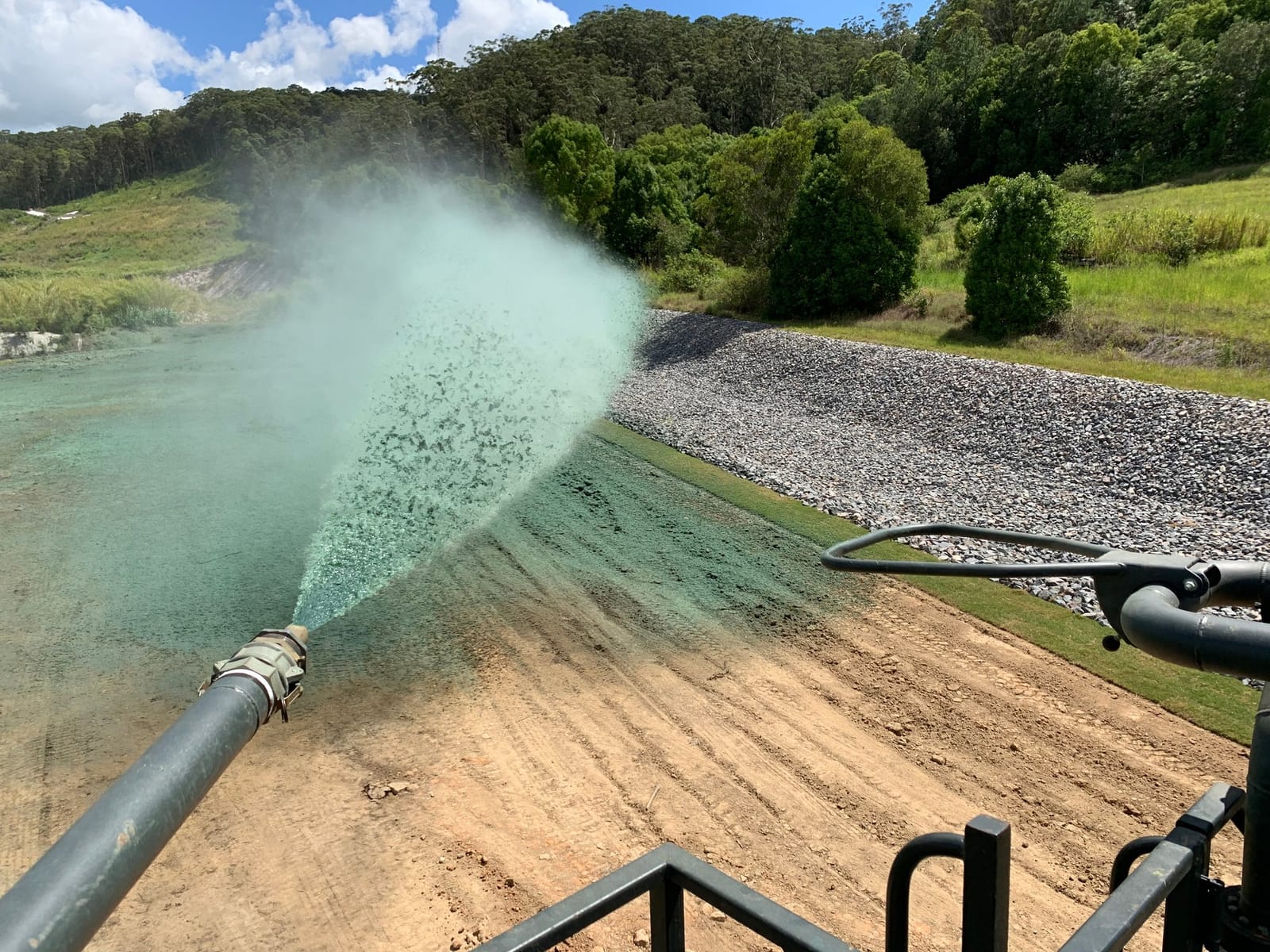
Instead of relying only on constant watering or short-lived tackifiers, we use a slurry mix that combines water, fiber mulch, binders, and sometimes seed, depending on whether you need temporary or long-term stabilization. The hydroseeding equipment lets us spray large, uneven areas quickly, including slopes, drainage channels, and cut banks. For you, that means less tracking of dust onto public roads, fewer complaints, and better compliance with local air quality expectations.
We work with general contractors, utility installers, developers, and property owners across the Denver metro area, from tight urban infill sites to large tracts in outlying areas where wind exposure is serious. Before we quote anything, we walk the site, look at soil type, traffic patterns, slope, existing vegetation, and how long you need control to last. Then we design a dust control hydroseeding plan that prioritizes your schedule and your risk areas, instead of just spraying everything the same way.
How our dust control hydroseeding process works
Our process always starts with site prep. For active construction sites, that can be as simple as knocking down ruts with a skid steer, scraping off loose trash, and pulling up large rocks or debris so the slurry can bond directly to the soil. On long-term stockpiles and inactive pads, we may lightly track the surface with a dozer or tractor to create texture that locks in the mulch layer and reduces sheet erosion.
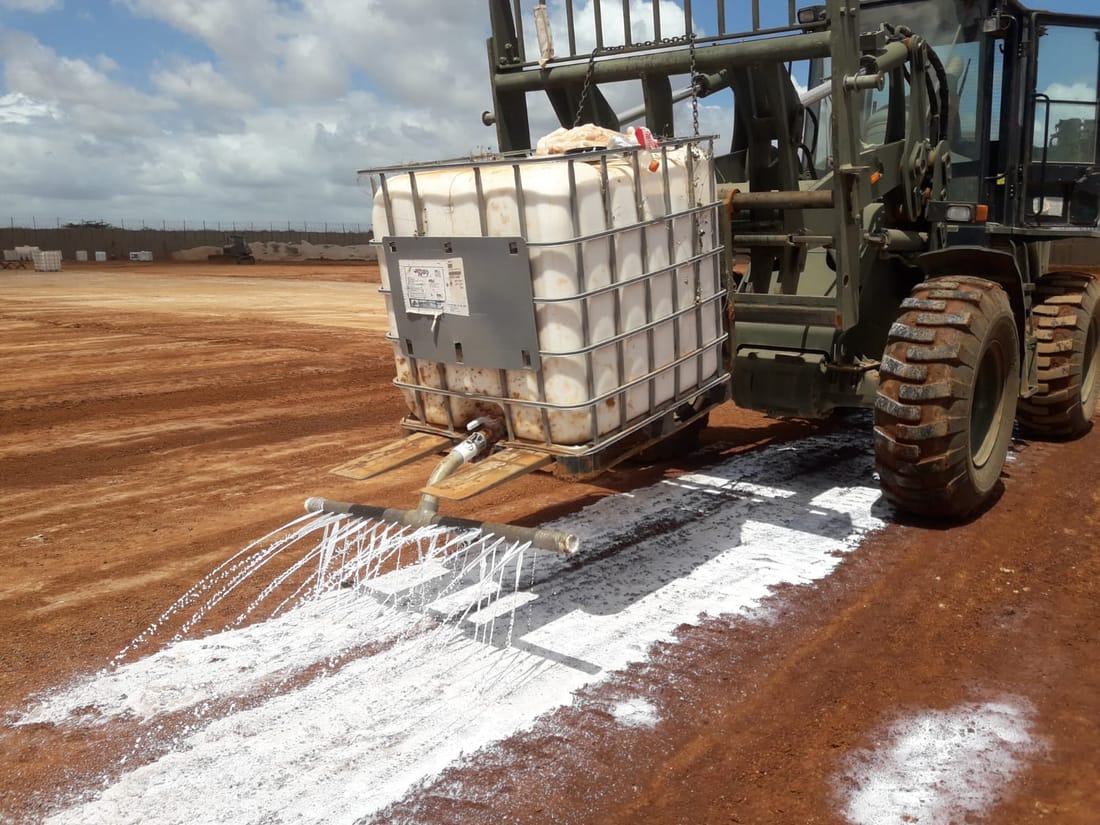
Next, we choose the right fiber and binder mix. For short term dust control on haul roads or laydown yards, we often use a high wood fiber mulch with a durable soil binder that creates a crust on top of the soil. This kind of application is designed to stand up to wind and occasional light traffic but can be broken up later during grading. For longer term soil stabilization, we may combine wood and paper fiber mulches with a tackifier and a carefully selected seed blend so that you get immediate crusting plus vegetation that will take over the job in a few months.
We load the materials into our hydroseeder, measure in the tackifier and any soil conditioners, then mix until the slurry is uniform. The crew then sprays from the truck or from hoses, depending on access. Slopes and banks are sprayed from the bottom up in overlapping passes so there are no weak stripes that can peel off in a storm. Flat areas are covered in a crosshatch pattern to avoid thin spots that can start to dust again.
After application, we will walk key areas with you and confirm coverage. For seeded stabilization, we will also review watering expectations and what early growth should look like. In many Denver applications, especially in late spring and early fall, we time the work so that natural rainfall helps with establishment and limits your irrigation costs.
Material options and what affects cost
There is no single recipe for dust control hydroseeding, and being transparent about options helps you control cost without sacrificing performance. Legendary Hydroseeding Denver typically looks at four main cost drivers: access, area size, slope and soil condition, and how long you need the control to last.
Access affects how much hose work or equipment mobilization we need. A large, wide open site where we can drive the hydroseeder close to the work area is more economical than a tight urban lot where we must run long hose lines around obstacles. Area size also matters. Larger projects benefit from material efficiencies and reduced mobilization cost per square foot, while small spot treatments may cost a bit more per unit because setup time is similar.
Material selection can change the price significantly. A basic wood or blended fiber mulch with a standard tackifier is usually sufficient for 3 to 6 months of dust control on typical Denver soils. For very windy sites east of I-25 or exposed ridgelines, we may recommend a heavier mulch rate and a stronger binder that resists peeling and cracking, especially through our freeze-thaw cycles. If you want vegetation for permanent stabilization, the right native grass seed blend will add upfront cost but can reduce the need for future re-treatment.
Soil condition makes a difference too. Very fine, powdery fill or fly ash type materials need more binder and sometimes a two-pass application, where we put down a light base coat, let it set, and then follow with a heavier top coat. On compacted clay that already sheds water, we may incorporate soil conditioners to help seed establishment so you do not just create a hard crust that washes off during a summer thunderstorm.
Common Denver dust problems and how we prevent them from coming back
Denver and the surrounding communities see a mix of climate and soil issues that can work against dust control if the plan is not tailored. Spring and early summer winds combined with low humidity dry out exposed soils quickly. Afternoon thunderstorms can then hit the same site, causing rill erosion and washing off anything that was not properly applied.
One common problem we see is crusts that crack and peel after a few weeks. This often happens when the mulch rate is too low or the binder is not matched to the site exposure. Our solution is to adjust both the application rate and the mix type to your location. For example, sites along the foothills where gusts blast down can benefit from a slightly heavier wood fiber mix and overlapping spray passes that create a more continuous mat.
Another issue is failed vegetation on long term stabilization projects. Seed thrown into the wrong time of year or into compacted, unprepared soil will lead to patchy cover and bare spots that start to dust again. We plan seeding-heavy stabilization for cooler seasons, generally mid spring or early fall, when soil temperatures and natural precipitation are more favorable. We also use drill-seeding or light scarification ahead of hydroseeding on certain projects to improve seed-to-soil contact. That extra step helps grasses root into Denver’s dense clays instead of just sitting in the mulch.
Finally, there is the compliance side. Construction sites in the metro area may have permit requirements tied to erosion and dust control. While we are not your legal consultant, we do understand typical municipal and project-level expectations and can help you document where and when dust control hydroseeding was applied. This makes it easier to keep inspectors satisfied and reduce the risk of work slowdowns due to dust complaints.
What to know before you schedule dust control hydroseeding
If you are considering dust control hydroseeding, timing and site readiness are two things that will make the biggest difference in results and cost. In Denver, the most efficient windows for combined dust control and seed establishment are typically April through early June and then late August through October. These periods balance soil temperature and moisture. For projects where you only need short term crusting, we work year round as long as temperatures are above freezing and the ground is not covered in snow or ice.
Before we show up, it helps if grading is as close to final as possible in the areas you want treated. If you hydroseed too early in your construction schedule, you may end up disturbing the treated surfaces with later work, which means double paying. Identify haul routes, staging zones, and any stockpiles that will stay put for at least several weeks, then we focus efforts there.
You should also think about what will happen in the next 6 to 12 months. If an area is destined to become landscaping or permanent open space, it often makes sense to include a seed mix now so you get both dust control and long term cover. If the area is temporary, like a spoils pile that will be removed, we will steer you toward short term stabilization products that do not complicate later earthwork.
When you contact Legendary Hydroseeding Denver, be ready to share a site plan or at least sketches and photos, your construction schedule, and any known dust concerns you have heard from neighbors or inspectors. With that information, we can usually provide a clear proposal that outlines the mix types, application rates, and expected lifespan of each treatment area, so you can budget accurately and avoid surprises.