Home › Landfill and Mine Reclamation Hydroseeding
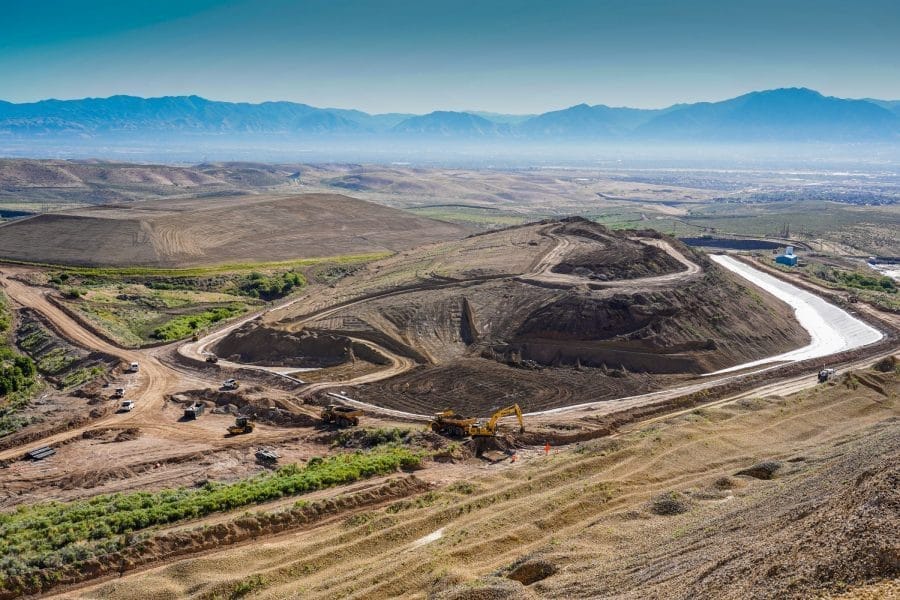
Our landfill reclamation hydroseeding in Denver, CO restores vegetative cover on capped landfills, mines, and industrial sites. We work with engineers to select suitable seed mixes and mulches for tough conditions. Hydroseeding quickly stabilizes soil, controls dust, and improves the visual impact of reclaimed land.
Legendary Hydroseeding Denver provides professional landfill reclamation hydroseeding throughout Denver, CO, Colorado and the surrounding area. Our licensed, insured crew delivers safe, clean, on-time work with a free estimate before anything begins. Call 720-734-8802 or request your free quote.
Landfill reclamation hydroseeding rooted in Denver’s terrain
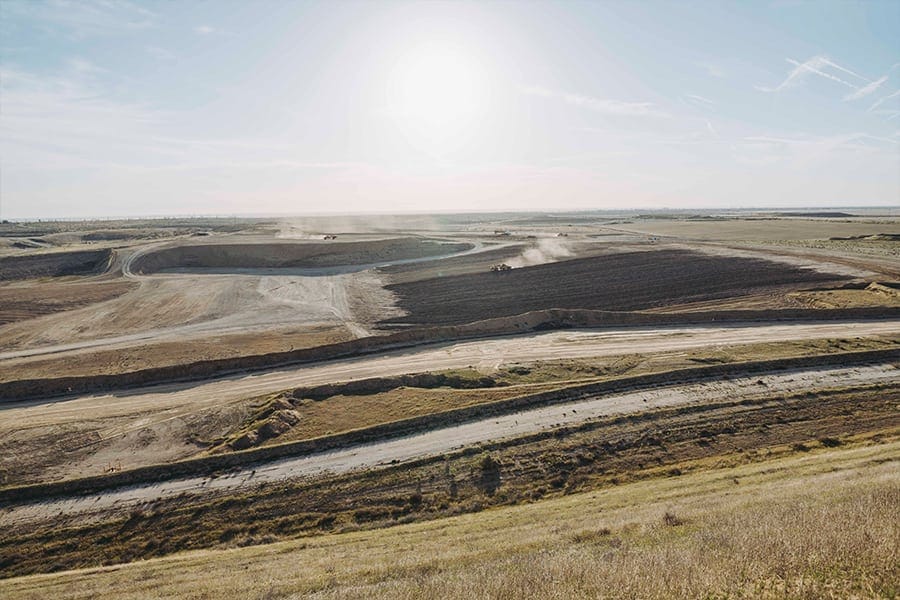
Reclaiming a landfill or mine site along the Front Range is not just about getting something green to grow. In our semi‑arid Denver climate, true reclamation means controlling erosion on steep and disturbed slopes, rebuilding topsoil structure, and establishing plant communities that can survive hot, dry summers and sudden cloudbursts. Legendary Hydroseeding Denver focuses specifically on landfill reclamation hydroseeding and mine reclamation projects in the Denver metro area and the nearby foothills so our mixes, methods, and schedules are built around local conditions.
On a typical project, we are dealing with compacted cover soils, sharp grade changes, and exposure to wind off the plains. These sites cannot rely on irrigation in the long term, so we design hydroseeding and erosion control systems that succeed on natural rainfall patterns. Our goal is to help your site meet regulatory standards, reduce long‑term maintenance, and blend visually with surrounding Front Range vegetation instead of looking like an artificial lawn.
Whether you manage a municipal landfill, a private industrial disposal site, or a reclaimed mine bench above Golden or near the I‑70 corridor, we approach your project as part of the larger watershed and community. That means careful planning on seed selection, erosion control products, access routes for heavy hose lines, and realistic timelines for establishment and monitoring.
How our landfill and mine reclamation hydroseeding process works
Every reclamation job begins with a site walk. We evaluate slope angles, soil depth over the cap, signs of settlement, existing volunteer vegetation, and any drainage features or channels that may require extra reinforcement. We also review your closure plan, permit conditions, and any seeding or cover specifications from CDPHE, local municipalities, or engineering consultants.
Once we understand the constraints, Legendary Hydroseeding Denver prepares a reclamation plan that covers seed mixes, mulch types, tackifiers, application rates, equipment access points, and water sourcing. On steep landfill side slopes or mine highwalls where trucks cannot safely operate, we set up hose runs from the access bench and may use extended hose lengths and booster pumps to reach upper faces.
Before hydroseeding, we address surface preparation. Where the final cover soils are heavily compacted, we often recommend ripping or track walking with dozers (if allowed by the cap design) to create micro‑roughness and improve water infiltration. In some cases, especially on older mine spoils, a compost or topsoil amendment pass is applied to increase organic matter and buffer pH.
Hydroseeding itself involves applying a slurry of water, seed mix, mulch fibers, fertilizer (if specified), and a tackifier. We calibrate the machine to ensure uniform coverage at the required application rates. On large Denver‑area landfills we often work in coordinated phases with earthwork contractors so newly finished cells are seeded quickly, reducing the time surface soils are left bare and vulnerable to erosion or weed invasion.
Custom seed mixes for Colorado landfill and mine sites
Reclamation success along the Front Range depends heavily on matching seed species to the site’s elevation, exposure, and soil quality. Legendary Hydroseeding Denver does not use a single standard mix for every landfill reclamation hydroseeding job. Instead, we tailor blends that reflect local conditions and your regulatory requirements.
For most Denver metro landfills and low‑elevation mine sites, we lean on drought‑tolerant native and naturalized grasses such as western wheatgrass, slender wheatgrass, blue grama, and crested wheatgrass, often combined with intermediate wheatgrass or tall fescue where more rapid cover is needed. On harsher mine spoils or highly erodible slopes, we may add species like slender wheatgrass and annual rye as quick nurse crops, which protect the soil while the slower natives establish.
Legumes, such as alfalfa, sainfoin, or native vetches, are sometimes included to help fix nitrogen and improve long‑term soil health, provided they are acceptable under your closure plan. For visual screening and habitat benefits, we may incorporate forb mixes with species like Rocky Mountain bee plant or yarrow, particularly along landfill perimeters that border residential or open space areas.
We also pay attention to weed pressures common around Denver, like bindweed, kochia, and cheatgrass. Our seed plans consider how quickly the chosen species will close the canopy and shade out weeds, and we coordinate with your team on early weed control strategies so the reclaimed vegetation can take hold.
Erosion control and slope stabilization strategies
On landfill side slopes and reclaimed mine benches, getting vegetation established is only half the battle. The other half is keeping soil and cover materials in place through spring snowmelt, summer thunderstorms, and gusty fall winds. Legendary Hydroseeding Denver integrates erosion control into every landfill reclamation hydroseeding project instead of treating it as an add‑on.
For modest slopes with stable cover soils, a standard hydraulic mulch with a strong tackifier may be enough. In these cases we often specify wood fiber or a blended mulch that can hold more moisture than paper alone, which is important in Denver’s low‑humidity environment. On steeper faces or areas with concentrated flow paths, we step up to bonded fiber matrix (BFM) products, which cure into a continuous mat while still allowing seedlings to emerge.
At the base of slopes, around drainage swales, and at culvert outlets, we often install rolled erosion control products such as straw or coconut blankets. On high‑risk points like landfill toe drains or mine drainage ditches, we may recommend rock check structures or turf reinforcement mats in combination with hydroseeding.
We pay special attention to wind exposure, since strong Chinook winds and winter fronts can desiccate mulch and seeds. Adjustments might include heavier mulch rates, additional tackifier, or scheduling applications when a calm weather window is forecast. Our crews are used to working around Denver’s variable conditions and will reschedule spray days if winds or storms would compromise the quality of the application.
Timing, climate, and what Denver owners should expect
Hydroseeding can technically be performed almost any time the ground is workable, but in the Denver area, timing has a major impact on results. For landfill reclamation hydroseeding and mine sites, our preferred windows are early spring (once soils are thawed but before sustained heat) and late summer to early fall (when monsoon moisture and cooler nights help germination).
Spring projects benefit from snowmelt moisture and give cool‑season grasses a chance to establish before summer heat. However, sites adjacent to unpaved haul roads or active cells may experience dust, which can dry out mulch. In these cases we discuss temporary dust control or schedule hydroseeding once heavy earthwork has tapered off.
Fall seeding often functions as a dormant seeding. Some species germinate by first frost, while others remain in the soil and emerge the following spring. This can be a strong strategy for reclaimed mines in the foothills where summer access is easier but irrigation is not an option.
In terms of expectations, most Denver‑area reclamation sites, if properly designed and maintained, achieve solid vegetative cover in one to two growing seasons. We encourage owners and engineers to plan for inspection and spot‑touchups after the first major storm season. It is common to perform supplemental hydroseeding in localized rill areas, slow‑drain swales, or on sections where settlement has altered slopes.
Costs, bidding, and what drives your project price
Reclamation budgets are always under pressure, so we are transparent about what drives cost. The main factors for landfill reclamation hydroseeding include site size in acres, slope steepness, accessibility for equipment, distance from a reliable water source, seed mix complexity, and the type and quantity of mulch and erosion control products.
Steep, difficult‑to‑access landfill faces or mine highwalls typically increase costs because they slow production and require longer hose runs, additional labor, and more setup time. If water must be trucked from a distant source rather than pulled from an on‑site hydrant or pond, that also adds to the budget. Conversely, large open flats or gently sloped caps are more efficient to spray and may qualify for better unit pricing.
Seed mix is another driver. Native seed blends tailored to Colorado often cost more up front than generic turf or agricultural mixes, but they significantly improve long‑term survivability and reduce reseeding. The same goes for erosion control products: a bonded fiber matrix or high‑end blanket system may cost more initially but can prevent expensive repairs after a single storm event.
Legendary Hydroseeding Denver provides itemized proposals that break out seeding, mulching, tackifiers, blankets, and any soil amendments. For larger or multi‑phase landfills we work with owners and engineers to develop multi‑year unit prices that align with closure schedules and capital planning. Our goal is to help you meet regulatory requirements reliably, not just win a low bid that leads to repeat failures.
Partnering with Denver municipalities, engineers, and site operators
Landfill and mine reclamation projects sit at the intersection of environmental regulation, public perception, and long‑term stewardship. Legendary Hydroseeding Denver routinely collaborates with municipal staff, consulting engineers, and private operators so the hydroseeding portion of the work fits smoothly into broader closure and reclamation plans.
We are comfortable working within detailed specification sets, including NRCS, CDOT, and custom blends written by environmental consultants. When specs are outdated or clearly mismatched to current Denver climate realities, we can suggest alternates or equivalents and provide product data to support submittals.
During construction, we coordinate closely on sequencing so hydroseeding follows final grading, cap installation, and liner inspections without interfering with other contractors. For active landfills we understand that safety and daily operations come first, so we plan access routes and work windows around live tipping, gas system work, and heavy equipment traffic.
For owners and public agencies, we can support post‑construction monitoring by documenting seed mixes, application rates, and as‑built coverage maps. If follow‑up inspections show thin coverage in certain areas, we help identify whether the issue was weather, soil conditions, or mechanical disturbance so that any corrective hydroseeding targets the root cause.