Home › Construction Site Erosion Control Hydroseeding
Our construction erosion control hydroseeding in Denver, CO provides rapid, compliant stabilization for disturbed soil. We work with your schedule to treat slopes, stockpiles, and open areas so you meet SWPPP and NPDES requirements. Our high performance mulches and seed mixes reduce sediment runoff and protect your site.
Legendary Hydroseeding Denver provides professional construction erosion control hydroseeding throughout Denver, CO, Colorado and the surrounding area. Our licensed, insured crew delivers safe, clean, on-time work with a free estimate before anything begins. Call 720-734-8802 or request your free quote.
Construction Site Erosion Control Hydroseeding in Denver
Construction sites in Denver and the Front Range deal with a difficult combination of steep grades, disturbed native soils, and sudden Front Range storms. Legendary Hydroseeding Denver focuses specifically on construction erosion control hydroseeding that meets local conditions, local regulations, and real jobsite production schedules.
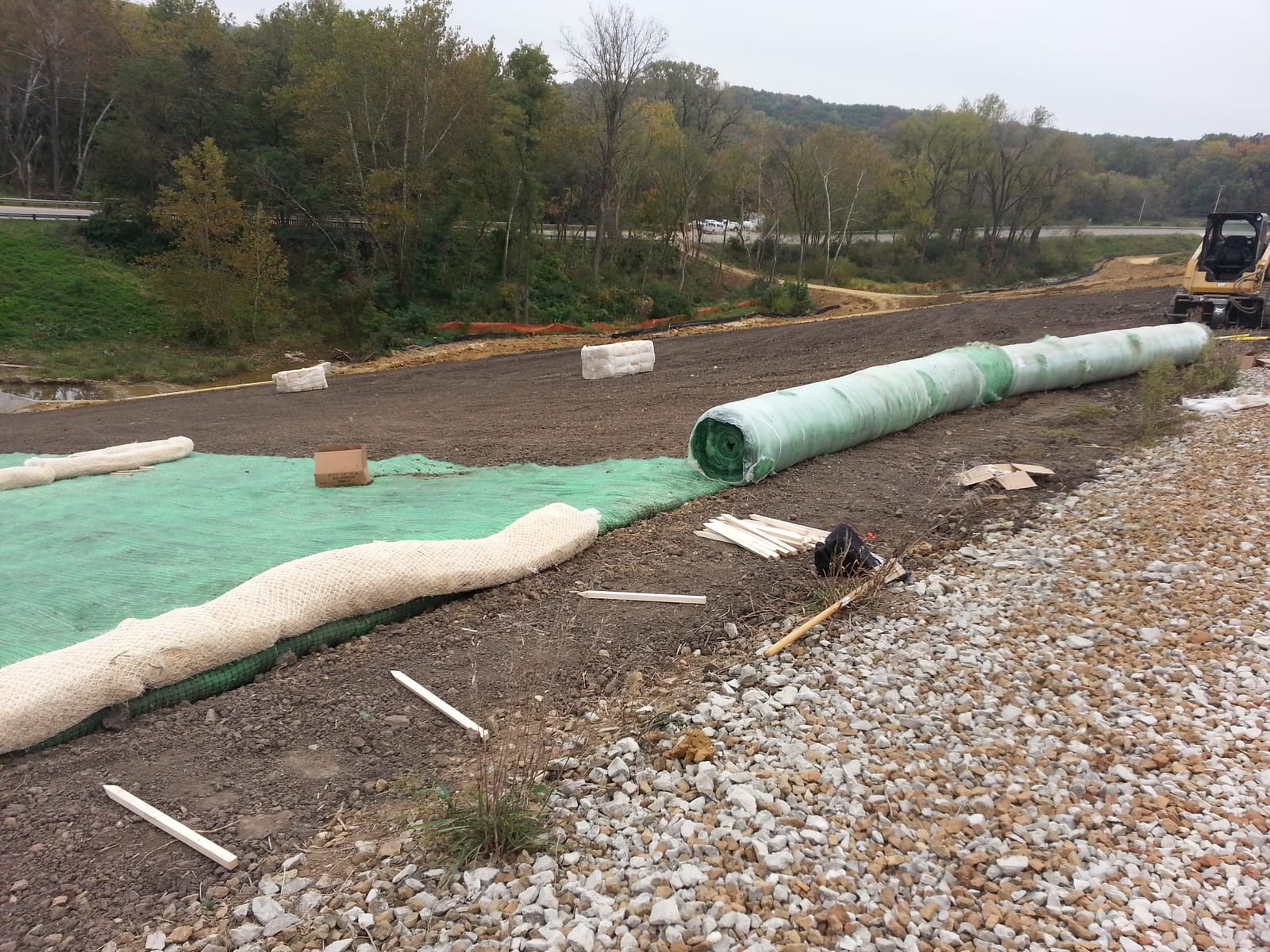
Instead of relying on loose straw or plastic netting that can blow away in a wind event, we apply a hydraulically mixed slurry of seed, mulch, tackifier, and soil amendments that bonds to the soil surface. On active or recently finished construction projects, this provides both immediate surface protection and a fast path to vegetative cover, which is what inspectors and municipalities actually want to see.
Our team is used to working on tight timelines tied to inspections, certificates of occupancy, and project closeout. We coordinate with superintendents and site managers so hydroseeding happens at the right moment in your sequence, works with your stormwater pollution prevention plan (SWPPP), and does not interfere with other trades or final punch list activities.
How Construction Erosion Control Hydroseeding Works Step by Step
For construction erosion control hydroseeding, Legendary Hydroseeding Denver follows a repeatable process tailored to each jobsite:
1. Site assessment and plan review. We walk the site, review your grading plans and SWPPP, identify slopes, flow paths, and sensitive areas, and confirm any city or county seed mix requirements (for example Denver, Jefferson, Arapahoe, Douglas, Adams, or Boulder counties may have different native species preferences).
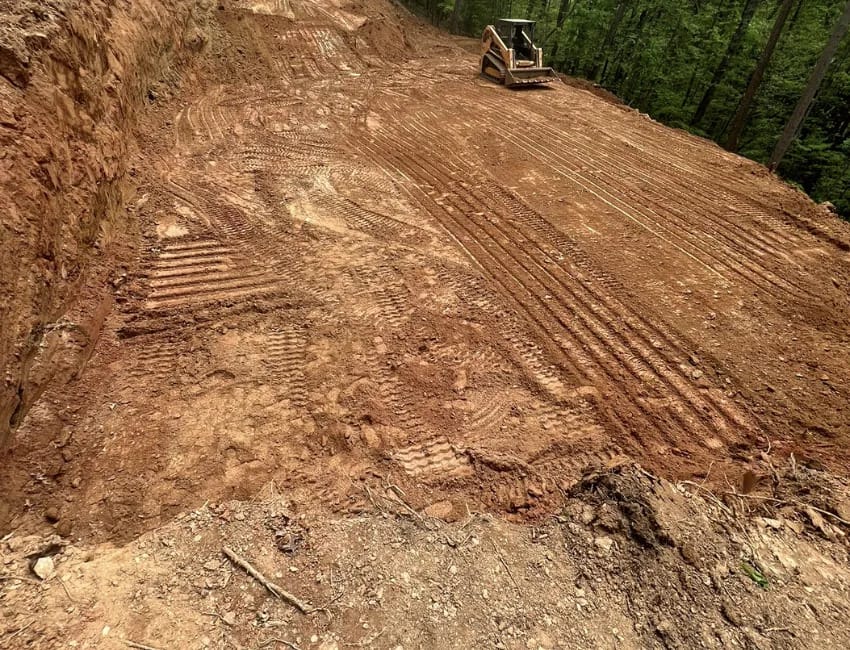
2. Surface preparation. We request that grading be substantially complete and large rocks and debris be removed. On critical slopes, we may recommend light tracking with equipment or roughening with rakes so the slurry keys into the soil rather than sitting on a slick surface.
3. Selecting the seed mix. For erosion control on construction sites we almost always use regionally appropriate mixes that combine quick establishing annuals with longer lasting native grasses. Depending on the jurisdiction, we may use CDOT approved seed blends, municipal standard mixes, or custom native blends that match surrounding open space.
4. Slurry mixing. At the truck, we combine seed, hydraulic mulch, tackifier, fertilizer if appropriate, and any soil amendments. Slurry composition changes based on slope, soil type, and season. For example, steep fill slopes in Douglas County might receive a heavier wood fiber mulch with a stronger tackifier, while flatter detention basins in Denver could use a lighter mulch rate and more diverse native seed mix.
5. Application. Using high pressure hoses, we spray a uniform layer of slurry across the prepared soil, carefully overlapping passes to avoid thin spots. We pay particular attention to slope breaks, inlets, and discharge points where concentrated flow is likely.
6. Final walkthrough and documentation. On construction projects we document what was applied, where, and at what rates so you can include our information in SWPPP records and closeout packages. If your inspector has specific documentation preferences, we adjust to match them.
Material Options Tailored to Denver Construction Sites
Hydroseeding for erosion control is not a one mix fits all service. Legendary Hydroseeding Denver adjusts materials to match the actual field conditions we see around Denver, from the foothills to the plains.
Mulch types: On critical slopes or highly erodible soils, we typically use high quality wood fiber mulch at heavier application rates. For flatter, interior areas or short term stabilization needs we may use a blend of paper and wood fiber for cost efficiency while still providing good coverage.
Tackifiers: Denver wind and convective storms can strip poorly bonded mulch off a slope in a single afternoon. We choose tackifiers based on slope angle, exposure, and season. On south-facing slopes above retaining walls we may use stronger, long lasting tackifiers, while temporary stockpile stabilization might get a lighter, more economical product.
Seed mixes: We do not use generic national blends. Instead we source seed mixes designed for Colorado elevation ranges, often incorporating blue grama, western wheatgrass, slender wheatgrass, and other natives. Where your permit or local jurisdiction requires a specific native or pollinator mix, we source and apply exactly what is specified.
Soil amendments: Many disturbed construction soils along the Front Range are compacted and low in organic matter, especially on new commercial pads and large subdivisions. We can incorporate starter fertilizer, compost-based products, or soil conditioners into the slurry when allowed by the project specifications to improve establishment and reduce failure risk.
What Drives Cost on Construction Erosion Control Hydroseeding
On construction projects, cost is not just about price per square foot. Legendary Hydroseeding Denver explains the main factors upfront so estimators and project managers can budget accurately.
Acreage and access: Larger, contiguous areas are more efficient to hydroseed than small, broken patches scattered across a property. If we can park trucks close to the work, costs are lower. Tight urban infill lots or sites with limited access often require more hose time, spot mobilizations, and traffic control, which increases labor.
Slope and risk: Steep or highly visible slopes that cannot be allowed to fail may require heavier mulch rates, upgraded tackifiers, and sometimes a second pass. These materials cost more but reduce the probability of washouts, rework, and citations.
Specification requirements: If your bid documents or municipality require specific CDOT or city standard mixes, we must use those exact materials, even when they are more expensive than generic blends. Likewise, some projects require third party certified seed or testing, which we can provide but must include in pricing.
Schedule and phasing: Emergency stabilization after a washout or before an unexpected inspection often involves expedited mobilization. Planned, phased work that aligns with your grading sequence generally costs less per acre because we can batch work efficiently.
Add-on controls: Some sites also need compost blankets, erosion control blankets, or check structures in addition to hydroseeding. We can install or coordinate these, and we will price them separately so you understand the tradeoffs.
Common Construction Site Problems and How We Handle Them
Construction erosion control hydroseeding is often performed in imperfect conditions. Legendary Hydroseeding Denver focuses on realistic solutions that match how jobsites actually operate.
Late season work: In Denver, hydroseeding windows are shaped by freeze-thaw cycles and soil temperature. If your project runs late into fall, we can still apply erosion control hydroseeding focused on soil protection and spring germination, and we will be honest if conditions are too extreme for reliable results.
Regrading after initial seeding: Field changes, utility conflicts, and last minute design adjustments often mean regrading areas that were already stabilized. We plan for this by coordinating closely with your superintendent, sequencing work so final hydroseeding happens as late as practical, and clearly identifying any areas that will likely be disturbed again so you are not paying twice unnecessarily.
Localized washouts: Even well designed systems can have isolated failures, especially around inlets or where runoff is concentrated. When this occurs, we investigate the cause, recommend additional measures if needed (such as check dams, inlet protection, or heavier mulch), and spot repair with appropriately adjusted slurry.
Inspection concerns: If an inspector questions coverage or seed mix, we provide documentation and, when needed, walk the site with your team so everyone is on the same page. Our familiarity with Denver area standards helps resolve these issues quickly.
Local Expertise for Denver and Front Range Regulations
Denver and surrounding jurisdictions place increasing emphasis on permanent stabilization, not just temporary cover. Legendary Hydroseeding Denver stays current with regional requirements so our work supports your compliance and avoids delays.
We regularly work on projects under MS4 permit areas, CDOT oversight, and various city and county stormwater departments. We understand what local reviewers look for in terms of uniform coverage, species selection, and protection of adjacent properties and waterways.
Our crews are used to operating in conditions specific to this region: clayey cut slopes in the south metro area, sandy soils near the river corridors, and rocky, shallow soils near the foothills. This local knowledge affects everything from nozzle selection to mulch loading to how we adjust slurry consistency for high altitude sites.
We also understand the construction realities in Denver. Tight downtown lots, rapidly developing suburbs, and mountain-adjacent projects all require different logistics. Our planning takes into account access, water sources, and nearby traffic or pedestrian areas so erosion control hydroseeding is done safely and efficiently without disrupting ongoing work.
What to Consider Before Hiring an Erosion Control Hydroseeding Contractor
Before you select a contractor for construction erosion control hydroseeding, it is worth asking a few specific questions to protect your schedule and your budget.
Ask about seed sourcing and documentation. You should receive clear information on seed species, suppliers, and rates that align with your project specifications. Legendary Hydroseeding Denver provides mix tags and application summaries so you have a record for your files and inspectors.
Confirm experience with construction sequencing. Hydroseeding for residential lawns is not the same as working on an active site with heavy equipment, tight deadlines, and weather windows. Make sure your contractor is comfortable staging around other trades and adjusting plans when grading or utility work shifts.
Review how they handle warranty or rework. No erosion control method is completely immune to extreme storms. The key is how problems are addressed. We discuss in advance what is covered, what is considered a design or site condition issue, and how decisions will be made if additional measures are needed.
Finally, verify that the contractor has the equipment capacity to cover your acreage efficiently. For larger commercial or subdivision projects, our hydroseeding trucks and crew structure allow us to cover significant areas in short windows so you can meet stabilization deadlines and keep inspectors satisfied.