Home › Erosion Control Blankets and Matting
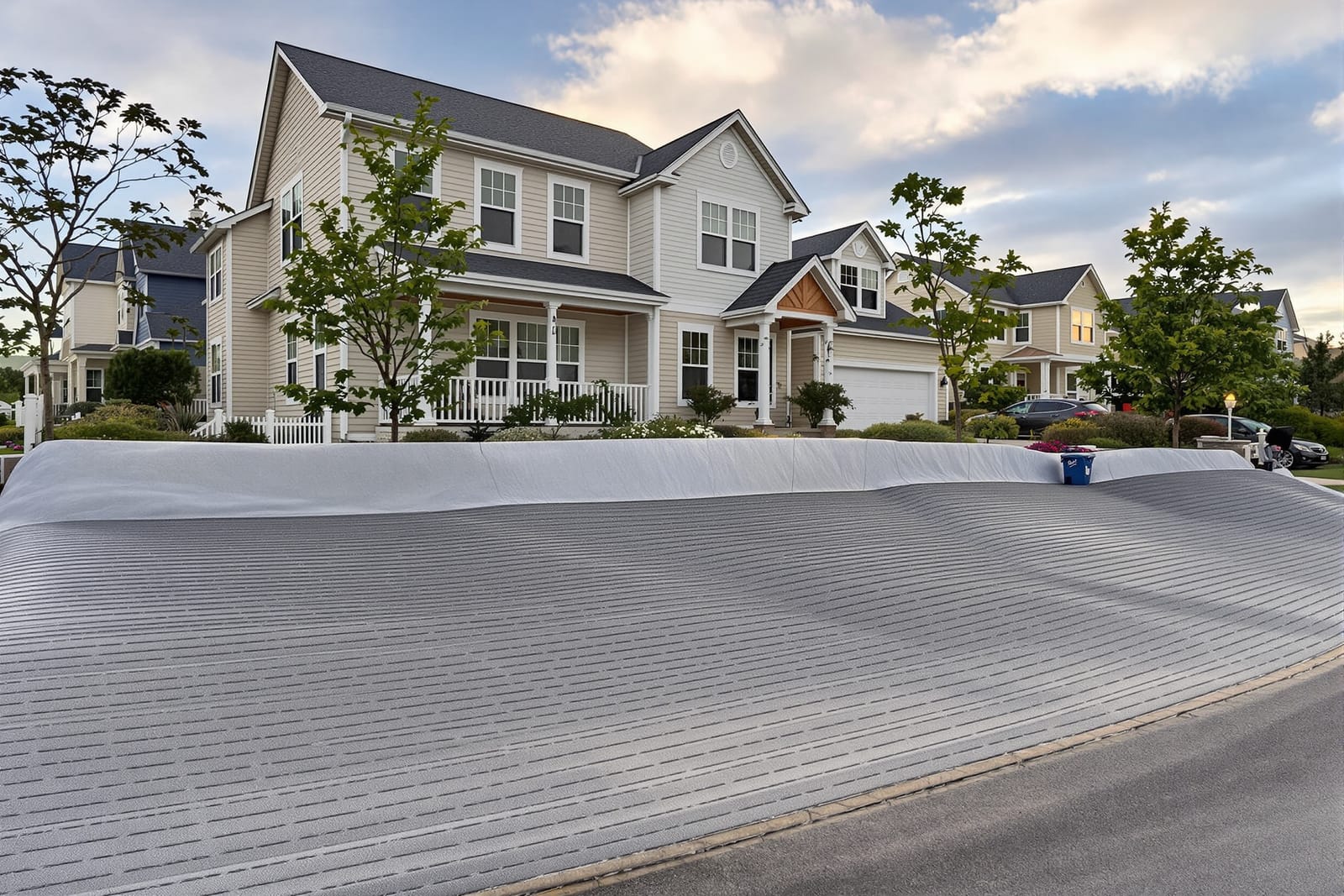
We install erosion control blankets in Denver, CO to stabilize residential slopes, ditches, and drainage swales. Straw and coir matting combined with hydroseeding keeps soil in place while grass takes root. Our team selects the right blanket type and anchors it securely for long lasting protection.
Legendary Hydroseeding Denver provides professional erosion control blankets throughout Denver, CO, Colorado and the surrounding area. Our licensed, insured crew delivers safe, clean, on-time work with a free estimate before anything begins. Call 720-734-8802 or request your free quote.
Engineered erosion control for Denver slopes, lots, and rebuilds
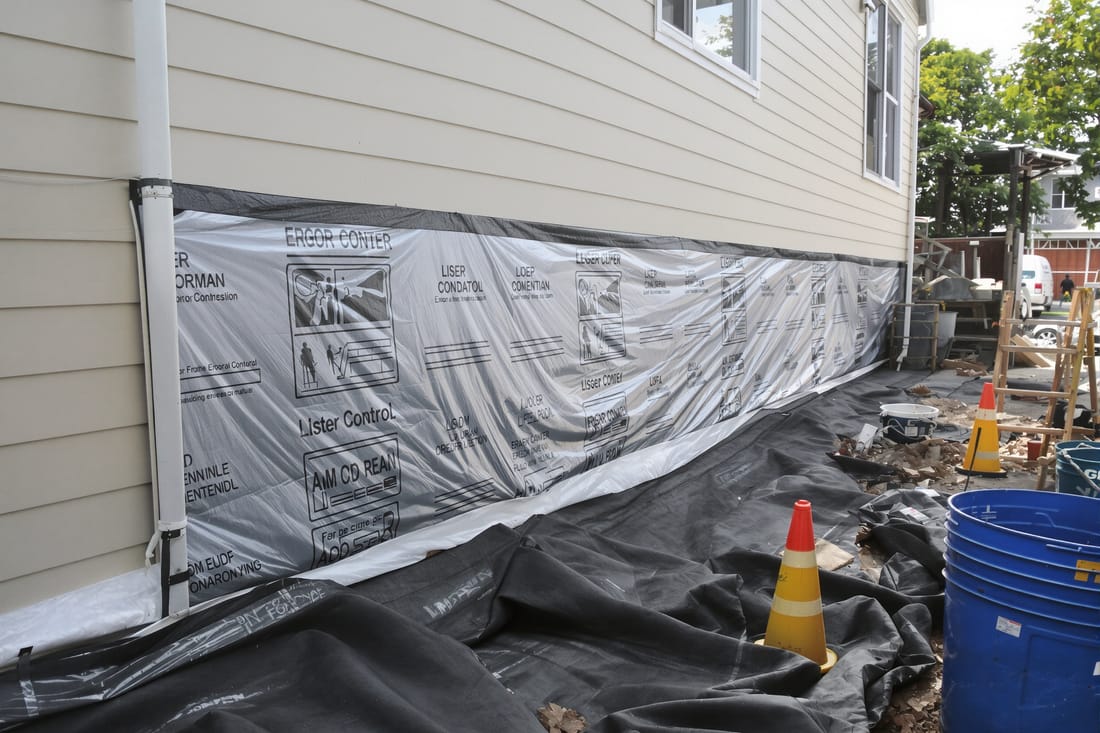
Front Range weather is hard on bare soil. One spring thunderstorm or a fast snowmelt can cut gullies into a new slope, wash seed away, and send sediment into streets and storm drains. Legendary Hydroseeding Denver installs engineered erosion control blankets and matting that lock your soil in place while vegetation gets established.
We focus on projects across the Denver metro area and foothills, where steep grades, decomposed granite, and clayey fills all behave differently under heavy rain. Our team selects specific blanket types, anchoring patterns, and installation methods based on your slope angle, soil type, and how stormwater flows across your property. The result is a system that actually works under real Denver conditions, not a one-size-fits-all solution pulled out of a catalog.
Blanket and mat options we use in Denver conditions
Not all erosion control blankets are the same. Legendary Hydroseeding Denver works with multiple product lines so we can match performance and cost to what your site truly needs.
For residential yards and gentle slopes, we often use single- or double-net straw blankets. These are biodegradable, provide good seed-to-soil contact, and are cost effective for new lawns and park strips. For steeper banks, drainage swales, and disturbed areas along driveways, we may step up to straw-coconut blends that last a full growing season or longer and hold up better in sudden downpours.
In high energy locations (such as channels that carry water during storms, culvert inlets, or steep riprap transitions) we specify heavy-duty coconut blankets or turf reinforcement mats (TRMs). These synthetic or long-life mats are designed to stay in place for years and allow vegetation to interlock through the mat, which is useful where repeated runoff would quickly tear up weaker products.
We also pay attention to Denver’s semi-arid climate. Some biodegradable blankets dry out too fast on south-facing slopes at higher elevations. In those cases we lean toward materials that retain moisture slightly longer, and we pair them with a hydroseed mix that is suited to local sun and wind exposure.
How professional installation of erosion control blankets actually works
A reliable installation starts with grading. We first assess slope ratio, drainage paths, and any soft spots in the fill. If needed, we smooth ruts, remove rocks or debris that could damage the blanket, and compact unstable areas so the mat can sit flush. Any existing rills are filled and compacted to avoid voids under the blanket.
Next, we prepare the seedbed. For most Denver residential and light commercial sites, we lightly scarify the topsoil, apply the correct seed mix and soil amendments, then roll the area so the seed makes good contact. If hydroseeding is specified, we typically hydroseed first, then apply the blanket, so the seed stays in place under the fabric.
We then pre-cut blankets to match the slope length where practical. Installation starts from the top of the slope, not the bottom, to avoid water getting under the blanket during storms. At the crest we create an anchor trench, usually 6 to 8 inches deep, lay the blanket into the trench, staple it, then backfill and compact. This step prevents the blanket from peeling back during a heavy downpour, which is one of the most common failure points on DIY jobs.
Blanket rolls are overlapped in the direction of water flow. Longitudinal overlaps are usually 3 to 4 inches, and we increase that on steeper or high flow areas. Transverse overlaps (where one roll ends and the next begins downslope) are shingled so upper blankets sit on top of lower ones, never the opposite. We then staple on a grid pattern that is adjusted for slope angle and product type.
Anchoring, staple patterns, and avoiding common failures
Correct anchoring is what separates a professional erosion control system from loose fabric that blows away on the first windy day. Legendary Hydroseeding Denver selects staple length and density based on your soil. On compacted clay or rocky fill we tend to use longer staples, while on deeper topsoil shorter staples can suffice.
For gentle slopes, a standard staggered staple pattern might be 2 to 3 feet apart each way. On steeper banks or in drainageways we tighten that spacing significantly. We also reinforce edges near sidewalks, driveways, and curb lines, where wind can get under the blanket and lift it.
We pay special attention to overlaps and seams. Many failures occur where two blankets meet and are not properly secured. On critical seams we sometimes double staple or use extra pins to ensure there is no gapping. Around structures such as sprinkler heads, utility boxes, or drainage inlets, we cut the blanket carefully and pin it in a star pattern so there are no loose flaps that can start to unravel.
In the Denver area, gusty downslope winds are common in spring and fall. On exposed sites we often schedule installations when winds are calmer and may temporarily weight blankets during installation to keep everything aligned until stapling is complete. Taking this extra time during install helps prevent costly call-backs after the first wind event.
What drives the cost of erosion control blankets in Denver
Customers often ask why blanket costs vary from one area of a property to another. The main drivers are slope, access, soil condition, and the performance rating of the blanket or mat.
Steeper slopes take more time and require more staples and often a heavier blanket. Areas that need regrading or additional preparation to fix rills, construction tracks, or poor compaction add labor. Tight access behind homes, narrow side yards, or areas that require hand-carrying materials instead of using equipment also influence cost.
Material choice has a large impact. A basic single-net straw blanket is far less expensive than a long-life coconut blanket or a synthetic turf reinforcement mat designed for channels. Legendary Hydroseeding Denver will explain why a cheaper product might be risky in a specific location, such as a drainage channel that sees fast water, and where a mid-range product is more appropriate.
Project size matters too. There is a certain amount of fixed cost in mobilizing a crew, delivering materials, and staging the work. Very small patches can cost more per square foot than larger continuous slopes. We are upfront about these factors during our estimate so you understand where every dollar is going and can prioritize critical areas if you are working within a budget.
Local regulations, HOAs, and builder requirements
In the Denver metro area, erosion control blankets are not just about protecting your yard. They often help meet municipal and subdivision requirements for controlling sediment and stabilizing disturbed soil.
New builds and major remodels within Denver and surrounding jurisdictions, such as Lakewood, Aurora, and Arvada, may be subject to stormwater management rules tied to building permits. Inspectors look for stabilized soil on exposed slopes and around drive entrances, and properly installed blankets are one accepted method. Legendary Hydroseeding Denver can install blankets in a way that lines up with typical construction stormwater permits (SWMP) and best management practices used by local builders.
HOAs frequently have their own standards related to slope stabilization on front yards, retention basins, and common areas. Some specify that disturbed landscapes must be protected until vegetation is established, and some require a certain appearance, for example preferring straw-coconut blends that blend in better than bright synthetic mats. We are used to working under HOA guidelines and can provide product data sheets or photos if your architectural committee requests them.
If your project ties into a larger development or drainage channel, there may be engineer-approved details for blanket types, overlap dimensions, and anchor trench design. We follow those details when provided and will flag any conflicts between field conditions and the plan so they can be resolved before inspection.
What to expect when you hire Legendary Hydroseeding Denver
Our process starts with an on-site evaluation. We walk your property, note slope angles, soil type, recent grading work, and how water currently moves across the site. We ask about your planting plans, whether you want a lawn, native seed mix, or a low water groundcover, because the vegetation goal affects which blanket makes sense.
From there we provide a written proposal that identifies blanket or mat types by category, not just generic labels, and clarifies where each will be used. If you have a builder, engineer, or HOA spec, we match our products and installation methods to those requirements or suggest approved equivalents.
On installation day, our crew arrives with pre-planned roll layouts and staple counts, which minimizes disruption and wasted material. We coordinate with any other contractors on site so hydroseeding, irrigation adjustments, and blanket installation happen in the right order. Once installed, we walk the site with you, explain how to water through the blanket, what early growth should look like in Denver’s climate, and what signs of trouble to watch for, such as undercutting at the top of a slope or animal burrowing.
Legendary Hydroseeding Denver stands behind our erosion control blankets and matting work. While we cannot control extreme weather, we do design installations with local storm patterns in mind and are available to evaluate and repair any areas damaged by unusual events so your soil protection and vegetation establishment stay on track.