Home › Commercial Hydroseeding
Our commercial hydroseeding in Denver, CO serves developers, contractors, and property managers on projects of all sizes. We handle large areas quickly with professional equipment and proven seed mixes. From temporary stabilization to finished turf, we help you meet specs, control erosion, and improve appearance.
Legendary Hydroseeding Denver provides professional commercial hydroseeding throughout Denver, CO, Colorado and the surrounding area. Our licensed, insured crew delivers safe, clean, on-time work with a free estimate before anything begins. Call 720-734-8802 or request your free quote.
Commercial Hydroseeding for Denver Businesses and Sites
Legendary Hydroseeding Denver provides commercial hydroseeding solutions tailored to the Front Range climate and soils. We work with general contractors, property managers, HOAs, municipalities, school districts, and industrial facilities across the Denver metro area.
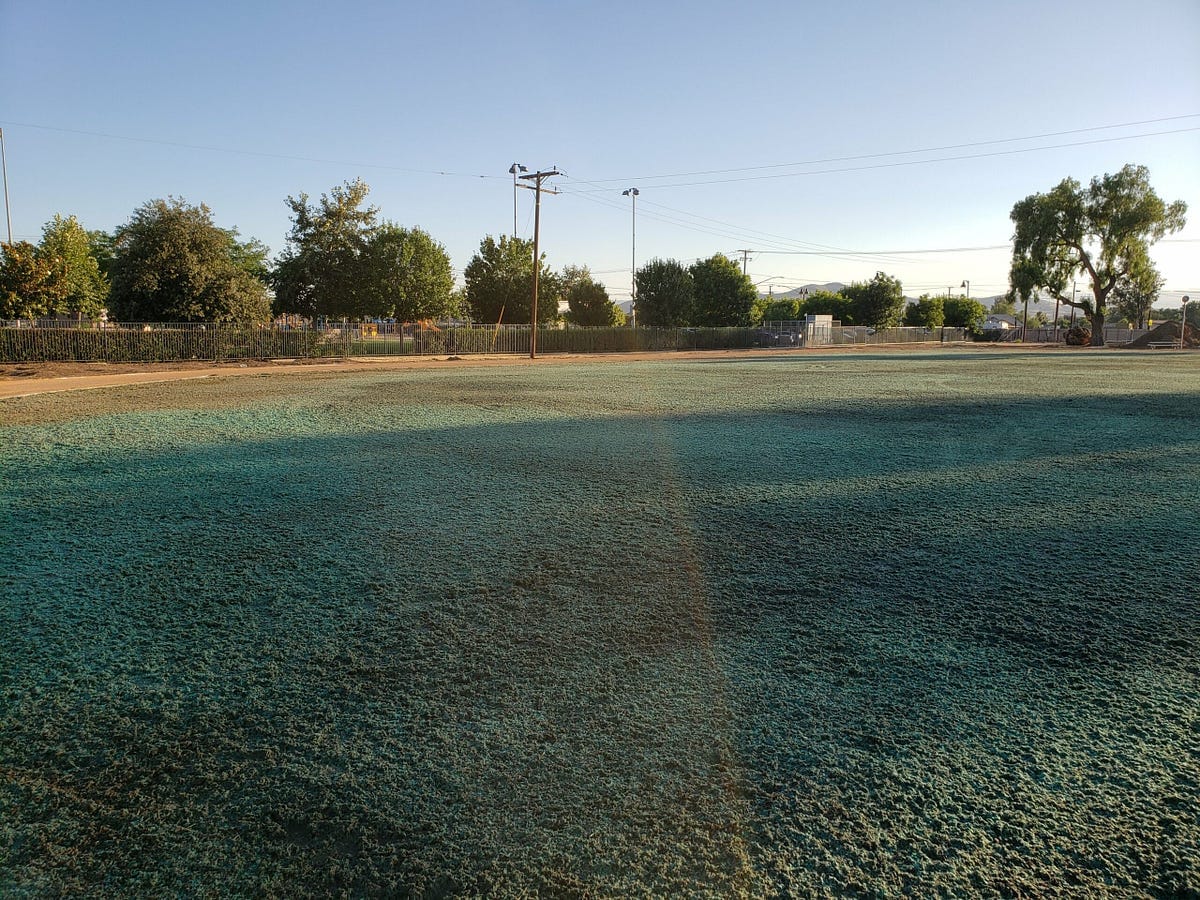
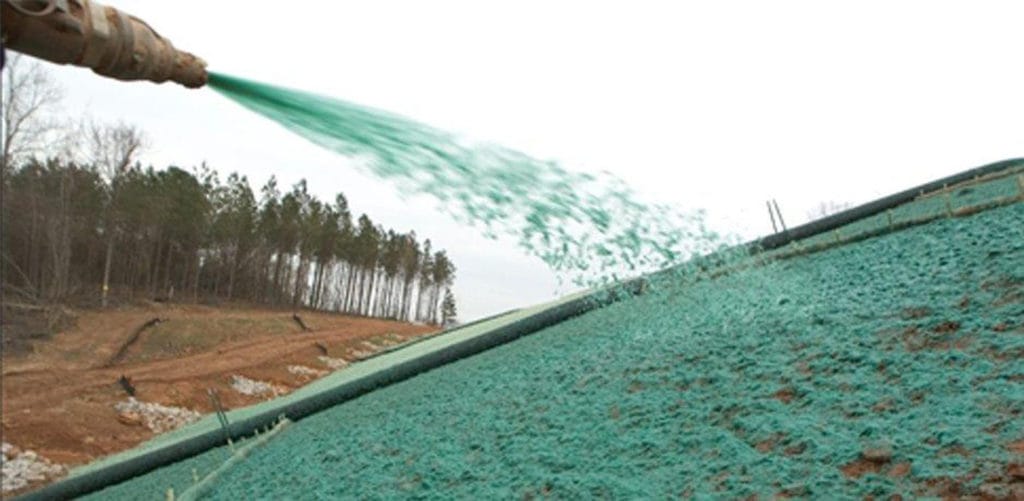
Commercial hydroseeding is a process that uses a specialized truck to spray a slurry of grass seed, mulch, water, fertilizer, and soil amendments on prepared soil. For Denver projects, we adjust that mix for altitude, limited rainfall, and foothills wind so you get a stand of turf or native grass that actually holds and survives, not just a quick green tint.
Our team is used to working under tight construction schedules, coordinating with site superintendents, and meeting city and CDOT specs. Whether you are stabilizing a large cut slope along C‑470, greening a new office park in the Denver Tech Center, or restoring native cover after utility trenching in older neighborhoods like Baker or Park Hill, we match the hydroseed application to the specific use and permit requirements.
How Commercial Hydroseeding Works on a Real Job Site
A typical commercial hydroseeding project in Denver starts with a site walk. We confirm square footage, slopes, access for the hydroseeding rig, and inspect the soil that the grading contractor has left in place. On older infill sites, the top layer is often compacted fill with construction debris. On new greenfield developments near DIA or in Aurora, we see sandy, wind‑exposed soils.
Once we understand the site, we specify the seed blend and slurry recipe. Our truck tanks are loaded with water, seed, fiber mulch, tackifier (a natural glue that helps the mulch and seed stick to slopes), fertilizer, and any soil amendments that your soil test calls for, such as organic matter or pH adjusters. The crew mechanically agitates the mixture so the seed and mulch are fully suspended and consistent from the first spray to the last.
On application day, we position the truck where we can reach the most area with our high‑pressure hose. Flat, open sites like sports fields might be covered from a central position. Steeper slope work along retaining walls or detention ponds may require repositioning the truck multiple times or using longer hose runs. The operator applies the slurry in overlapping passes, watching for even coverage and adjusting flow based on wind and slope.
After application, we walk the site again to check edges, curb lines, and tight corners around sidewalks, parking lots, and building entries to be sure there are no thin spots that could lead to erosion or patchy grass.
Seed Mixes and Groundcover Options for Denver Commercial Properties
Commercial hydroseeding in Denver is not one size fits all. Legendary Hydroseeding Denver offers several categories of seed mixes, each suited to different types of commercial properties and city requirements.
For high visibility commercial lawns, like corporate campuses, medical offices, and apartment complexes, we often recommend premium turf type tall fescue blends or bluegrass/fescue mixes. These handle Denver’s freeze–thaw cycles and can tolerate the moderate foot traffic common around sidewalks and entries.
For slopes, detention basins, and the edges of parking lots, we typically design blended mixes with creeping red fescue, rye, and drought tolerant varieties. These mixes focus on root mass and erosion control first, appearance second, which is often what engineers and city inspectors are looking for.
On public projects and some large private developments, city or state specs may require native or low water mixes. We routinely install native shortgrass prairie blends that include buffalo grass, blue grama, western wheatgrass, and wildflower components, depending on habitat and visibility goals. These are especially useful in Denver’s outlying business parks, school campuses, and along trail corridors.
We also handle specialized mixes for dog parks, sports fields, and utility corridors, where wear tolerance and fast establishment are critical. For each project, we document the exact blend used so owners and property managers know what they are maintaining over the long term.
Planning Around Denver’s Climate, Water, and Growing Season
Getting commercial hydroseeding right in Denver requires working with our semi‑arid climate and elevation. Legendary Hydroseeding Denver plans around three main factors: timing, irrigation, and wind.
For timing, the best windows for commercial hydroseeding are typically mid spring to early summer and late summer into early fall. In spring, soil temperatures need to be warm enough for germination, which is often a little later than you might expect at Denver’s 5,280 feet. In fall, we aim early enough to get root establishment before the hard freezes. If a project schedule forces mid‑summer seeding, we adjust mulch rates and watering plans to protect the seed from heat and desiccation.
Irrigation is often the difference between success and failure on commercial jobs. On new builds, we coordinate with the landscape contractor or GC to confirm when the permanent irrigation system will be operational. In older parts of Denver where you may be renovating around existing systems, we test coverage and adjust watering schedules once the seed is down. Where no permanent irrigation is available, such as remote slopes by highways or industrial yards, we can design mixes and application rates that rely on natural precipitation, but we are clear about the longer establishment timeline.
Wind is another real concern in the metro area, especially on open sites near the plains. To keep the slurry where it belongs, we watch the forecast carefully, adjust application technique, and increase tackifier or fiber content on exposed slopes. This local approach is why we can hydroseed successfully in places that are challenging for untreated seed or straw methods.
Cost Drivers for Commercial Hydroseeding in Denver
Project budgets are usually tight on commercial work, so it helps to understand what drives the cost of hydroseeding. The main factors are area, access, slopes, seed mix, and performance requirements.
Total square footage is the starting point, but two properties with the same size can have very different costs. A flat, open, easily accessed retail pad in Lakewood is more efficient to hydroseed than a steep, terraced multifamily site in Capitol Hill with limited truck access. Difficult access may require additional hose runs, spot spraying from steeper positions, or even staging from a street or alley with traffic control.
Slope also matters. Steep embankments along roads or retention ponds need heavier mulch and tackifier rates for erosion control, which increases material costs but is usually required by engineers or inspectors. We will tell you up front when a slope is steep enough that you should consider a bonded fiber matrix or erosion control blanket in combination with hydroseeding.
Seed choice affects price as well. Native, certified, or custom specified mixes often cost more than standard turf blends, but they can reduce irrigation costs over the life of the landscape and may be required by Denver or nearby municipalities. Fertilizer type, soil amendments, and any required soil conditioning based on test results also factor into the overall price.
Legendary Hydroseeding Denver provides written estimates that break out major components so GCs, owners, and property managers can see how changing a seed mix or specification affects the budget before committing.
Common Problems on Commercial Sites and How We Address Them
Construction sites around Denver see a lot of wear, weather swings, and last minute schedule changes. Legendary Hydroseeding Denver has built our process around solving the issues that commonly derail commercial hydroseeding.
One frequent problem is soil compaction. Heavy equipment and repeated passes over the same paths can create a hardpan that seed cannot penetrate. When we see this during our pre‑job walk, we recommend light tilling, scarification, or even spot ripping in the most compacted areas. This is especially common in parking lot islands or along building faces where equipment has maneuvered repeatedly.
Another issue is unexpected erosion after a storm. A late spring downpour on freshly graded slopes can cut channels before vegetation is established. Where specs allow, we increase mulch and tackifier rates and may suggest adding straw wattles, silt fence, or erosion control blankets in the highest risk areas. If rills appear after a storm, we can return to touch up, rework the soil, and reapply hydroseed as needed.
In some older commercial districts of Denver, like along Federal Boulevard or Colfax, we encounter poor or contaminated fill. In those cases, we might recommend importing a layer of clean topsoil before hydroseeding, particularly near entries and sidewalks where appearance is critical. We can also adjust seed blends and fertilizer types to cope with less than ideal soil if importing material is not feasible.
Finally, misaligned expectations on watering and maintenance can lead to patchy results. For every commercial hydroseeding job, we provide written establishment guidelines that spell out watering schedules, traffic restrictions, and first mowing instructions. When property managers follow these, we see far higher success rates and fewer callbacks.
Why Denver Contractors and Property Managers Choose Legendary Hydroseeding Denver
Commercial teams in Denver need subs who understand both the construction environment and the local landscape. Legendary Hydroseeding Denver is built around those two priorities.
We are used to working on active construction sites, coordinating with other trades, and sequencing our work around paving, concrete pours, and inspections. Our crews carry the right safety gear, respect staging areas, and understand that keeping a site clean is part of keeping a project on schedule and inspectors satisfied.
On the landscape side, our focus is on long term performance, not just initial green-up. That means choosing seed and mulch combinations that match Denver’s climate, your water availability, and your maintenance capacity. We keep detailed records of mixes and application rates in case you need documentation for municipalities, HOAs, or warranty questions later.
If you are planning a new commercial build, a site renovation, or a post‑construction restoration anywhere in the Denver metro area, we can review your civil or landscape plans and provide a hydroseeding scope that aligns with your schedule and budget. From large industrial parks on the outskirts to tight urban infill sites, we tailor commercial hydroseeding to the specific challenges of each project so you get reliable, predictable establishment and less hassle after turnover.