Home › Native Meadow and Wildflower Hydroseeding
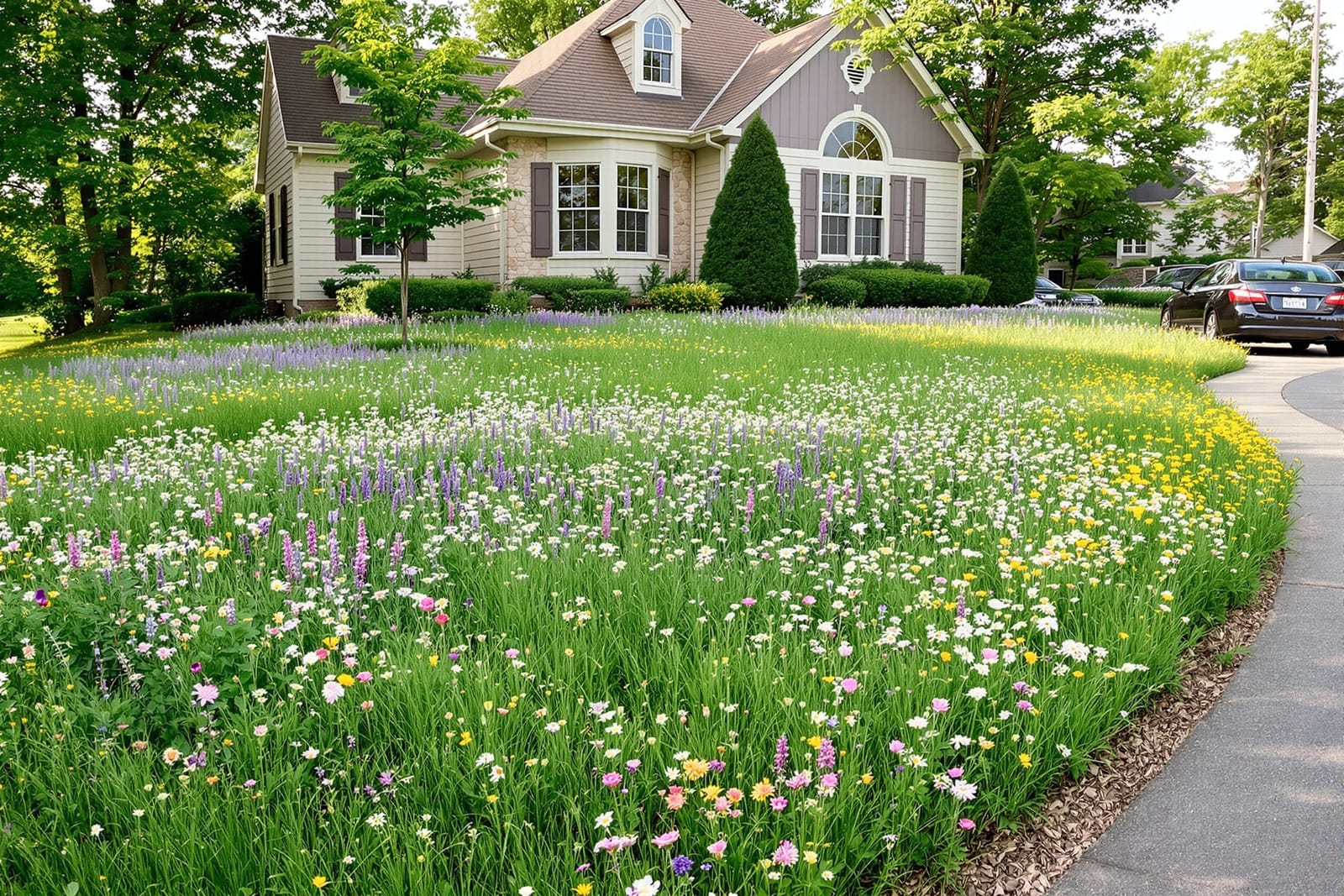
Our wildflower hydroseeding in Denver, CO creates colorful native meadows and pollinator habitats. We use custom mixes of native grasses and wildflowers suited to local conditions. These low maintenance areas add beauty, support wildlife, and reduce mowing.
Legendary Hydroseeding Denver provides professional wildflower hydroseeding throughout Denver, CO, Colorado and the surrounding area. Our licensed, insured crew delivers safe, clean, on-time work with a free estimate before anything begins. Call 720-734-8802 or request your free quote.
Native meadow & wildflower hydroseeding in Denver’s real conditions
Native meadow and wildflower hydroseeding is not just throwing a wild mix of seeds on the ground and hoping for color. In the Denver area you are dealing with high altitude sun, low humidity, clay or decomposed granite soils, and big temperature swings. Legendary Hydroseeding Denver designs each wildflower hydroseeding project around those specific conditions so the seed you pay for actually establishes.
Instead of sod or hand seeding, we apply a custom slurry of native grass and wildflower seed, mulch, water, tackifier, and soil amendments using a hydroseeder. This creates a thin protective blanket that holds moisture around the seed and lightly bonds to the soil. The result is a more even stand, better germination, and less erosion compared to dry seeding. For Denver homeowners, HOAs, and landowners who want a natural looking, lower input landscape, this approach creates a native-style meadow that fits Colorado’s Front Range climate rather than fighting it with thirsty turf.
How our wildflower hydroseeding process actually works
Every project with Legendary Hydroseeding Denver starts with a site walk. We look at slope steepness, shade patterns through the day, nearby irrigation, soil texture, and existing weeds. In Denver, even lots only a few miles apart can vary from tight clay to sandy fill, so we do not use a one mix fits all approach.
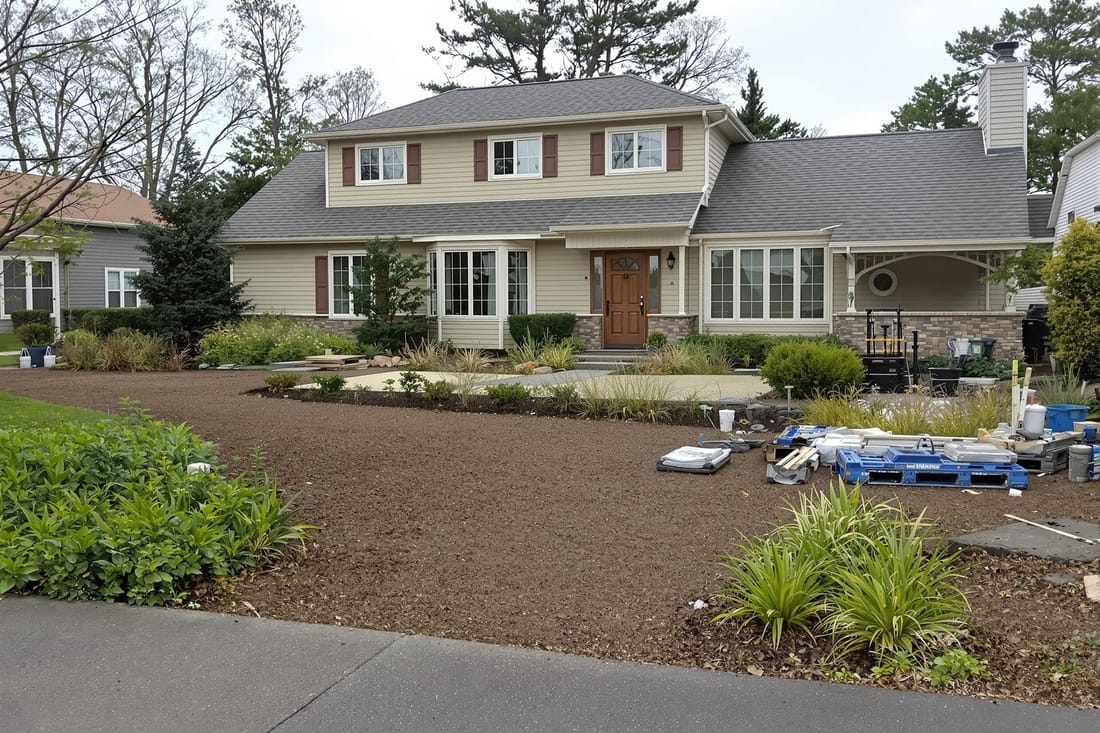
After evaluation, we handle site preparation. For new construction this usually means rough grading, removing large rocks, and lightly scarifying or raking the surface so the slurry can bond. For existing areas we often recommend spraying and killing existing weeds 1 to 2 weeks in advance, scalping old turf, and power raking to open up the soil surface.
On application day we load the hydroseeder with water, the selected native grass and wildflower seed mix, cellulose or wood fiber mulch, organic fertilizer (when appropriate), tackifier to help the slurry stick, and any needed soil conditioners. We spray in overlapping passes so no striping occurs, paying extra attention to slopes, swales, and edges near sidewalks or beds. After spraying, we give you written watering and mowing guidelines specific to your site. We also schedule a follow up check during the first growing season so you know what is normal and what needs attention.
Choosing the right native and wildflower mix for Denver
The seed mix is where many wildflower projects succeed or fail. Legendary Hydroseeding Denver focuses on native or regionally adapted species that handle Denver’s altitude, winter cold, and intermittent watering. Typical base grasses include blue grama, buffalograss, western wheatgrass, and slender wheatgrass for a shorter meadow. On larger or more natural sites we might incorporate little bluestem or side oats grama for more height and late season color.
For wildflowers, we design the blend around your goals and maintenance level. A front yard or HOA entry might use a higher percentage of showy perennials like Rocky Mountain penstemon, blanketflower, black-eyed Susan, and purple coneflower, with a smaller proportion of annuals such as plains coreopsis and California poppy for first year color. For more naturalized or acreage projects, we lean on native species like lupine, prairie coneflower, aster, and yarrow that can compete with local grasses over time.
Sun exposure matters. South facing slopes in Denver can burn out shallow rooted species, so we select heat tolerant, deep rooted varieties there. Shadier or north facing areas can support slightly different perennials that would struggle in full sun. We also consider HOA guidelines, height limits, and any concerns about visibility at driveways so the final mix is both ecologically appropriate and practical for your property.
Costs, what drives pricing, and how to control your budget
Wildflower hydroseeding is often more affordable than traditional landscaping for large areas, but there are real cost drivers that matter. At Legendary Hydroseeding Denver, the main factors are total square footage, access for our hydroseeder, level of site preparation needed, seed mix complexity, and whether erosion control measures are required.
Seed cost can vary widely. A basic native grass and limited wildflower blend is less expensive than a heavily loaded perennial wildflower mix that includes more costly natives. Steep slopes or difficult access sometimes require more labor and additional tackifier to keep the slurry in place, which adds to the price. Disturbed construction sites with compacted subsoils may need more intensive soil prep or compost additions for good establishment.
If you are trying to manage costs, we can often phase a project. For instance, we might hydroseed a base native meadow across the full site, then enrich key focal areas like entryways or window views with a more diverse wildflower mix. We can also suggest minor grading adjustments that reduce erosion risk so you spend less on erosion blankets. During our estimate we itemize the elements that are optional versus critical so you can make informed decisions instead of surprises later.
What Denver property owners should know about establishment and care
A native meadow or wildflower area does not look finished the day we spray. In Denver’s climate it typically takes 2 to 3 growing seasons for full character to develop. In year one you should expect more grasses, annual wildflowers, and some bare spots as perennials build roots. By year two and three, color becomes more consistent and the stand thickens.
Watering is most critical in the first 6 to 8 weeks. For spring or early summer hydroseeding we often recommend light, frequent irrigation at first, then gradually deeper and less frequent watering to train deep roots. If you have an existing sprinkler system we will show you how to adjust run times and zones for the new meadow areas. For non irrigated sites we time seeding to seasonal moisture patterns and may suggest a fall install so snowmelt and spring rains drive germination.
Maintenance is not zero, but it is lower than a conventional lawn once established. Plan on one to three mowings per season at a higher height to knock down invasive weeds and prevent unwanted reseeding. In some cases a late winter or very early spring mow helps recycle last year’s stalks and open space for new growth. We provide a tailored maintenance outline that shows what to do in months 1 to 3, 3 to 12, and years 2 and 3 so you know what success looks like at each stage.
Common problems and how Legendary Hydroseeding Denver addresses them
Poor results with wildflower hydroseeding usually come from weeds, unrealistic expectations about first year appearance, or lack of water during germination. We tackle weeds early by addressing the seedbank. On sites with heavy bindweed, thistle, or kochia pressure, we often recommend a season of control or at least a pre treatment window before hydroseeding so the new meadow is not overwhelmed.
If an unexpected weed flush appears after install, we help you tell the difference between desirable seedlings and problem plants. In some cases spot mowing or selective herbicides are appropriate, in others it is better to let the perennials establish and outcompete intruders. We never use a one size fits all chemical approach, especially in wildflower areas, and will recommend only products and timing that will not wipe out your investment.
Erosion can be a concern on Denver’s slopes and new construction cuts. Where needed, we combine wildflower hydroseeding with straw wattles, curb side sediment control, or biodegradable erosion control blankets. On extreme slopes we may apply a two step process, first a stabilizing grass focused mix, then an enrichment wildflower overlay after root systems are holding soil. Our familiarity with local rainfall patterns and city requirements means your project is both stable and compliant.
Why local expertise matters for Denver wildflower hydroseeding
The Front Range is not an easy place to grow a meadow if you use generic blends or out of state recommendations. Denver’s elevation, alkaline soils, and rapid weather shifts can challenge plants that might do fine in other parts of Colorado. Legendary Hydroseeding Denver works only in this region, so our recommendations are built from real results on nearby properties, not theory.
We understand how an exposed lot in Castle Pines behaves differently from a small city yard in central Denver, and we adjust mix ratios, timing, and prep accordingly. Our crew knows how to spot early signs of hydrophobic soil, compacted construction fill, or prairie dog disturbance, and we can recommend practical corrections before these issues undermine your wildflower area.
Because we are local, we also help navigate neighborhood and municipal concerns. That includes keeping sight lines clear at driveways, respecting firewise guidelines near structures, and making sure your native meadow looks intentional rather than neglected. If you want a wildflower hydroseeding partner who combines native plant knowledge with on the ground experience in Denver’s specific conditions, Legendary Hydroseeding Denver is set up for exactly that.