Home › Topsoil, Grading, and Site Preparation
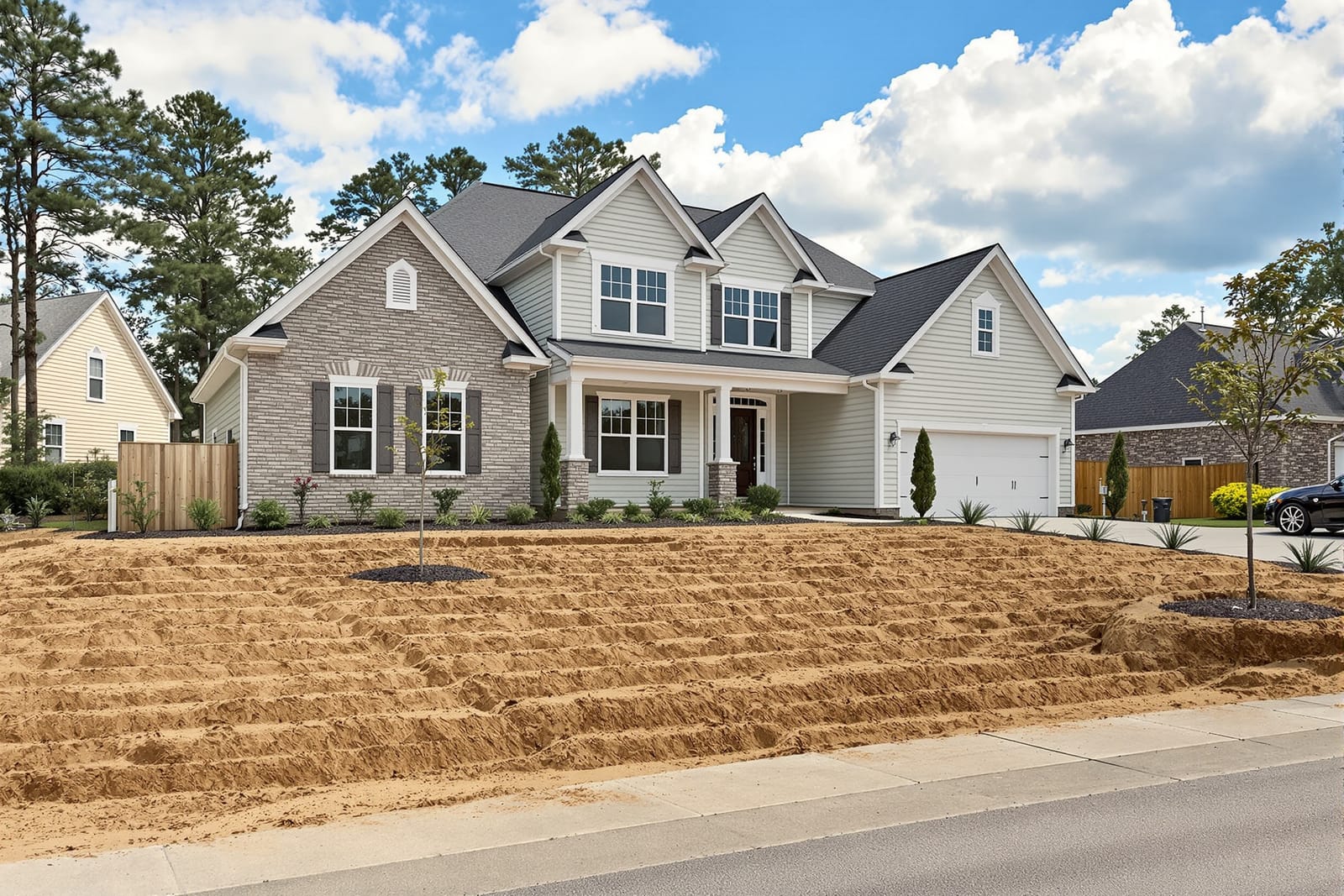
Proper hydroseeding site preparation in Denver, CO is the key to a long lasting lawn. We handle rough and final grading, topsoil placement, and rock removal to create a smooth surface. Our team conditions and levels your yard so hydroseed can root deeply and drain correctly.
Legendary Hydroseeding Denver provides professional hydroseeding site preparation throughout Denver, CO, Colorado and the surrounding area. Our licensed, insured crew delivers safe, clean, on-time work with a free estimate before anything begins. Call 720-734-8802 or request your free quote.
Hydroseeding site preparation that fits Denver ground and weather
Getting a lawn or slope to take from hydroseeding in Denver is mostly about what happens before the mulch ever hits the ground. At Legendary Hydroseeding Denver, our Topsoil, Grading, and Site Preparation service is built around local conditions: clay-heavy native soils, freeze-thaw cycles, late spring snows, and sudden summer downpours.
We start with a walk-through of your property. We look at drainage patterns, low spots that stay wet, compacted areas where soil feels like concrete under your shoe, and any south-facing slopes that dry out faster. We also note sprinkler coverage, access for equipment, and where trucks or machines can cross without rutting everything up. During this visit we talk through your goals, like whether you want a kid-friendly yard, erosion control on a steep bank, or a more natural meadow area.
From there, we build a written plan for the site work that is honest about what is really needed to support hydroseeding and what is optional. In some Denver yards the native soil is usable if it is opened up and amended. In others, especially in newer subdivisions along the Front Range, the builder has stripped away topsoil and left only hardpan, so bringing in new topsoil is the only realistic way to get roots established.
Timing matters here in Colorado. We schedule grading and soil work so we are not working in saturated spring mud or on frozen ground, because both situations damage soil structure and create compaction that fights against seed roots. When possible, we like to finish site prep a few days before hydroseeding so any small settlement shows up in time to fix it.
Topsoil: what we use, how deep, and how to avoid paying for the wrong material
Topsoil is not a one-size-fits-all product, and a lot of what is sold around Denver as topsoil is really screened fill. Legendary Hydroseeding Denver works with local suppliers we know, and we check every load for texture and organic content. We look for a loam blend that crumbles in your hand, not pure sand and not sticky gumbo. For most hydroseeded lawns we aim for a finished depth of 4 to 6 inches of decent topsoil, which gives enough volume for roots and moisture while staying realistic on cost.
Before any soil is brought in, we strip off any remaining sod, weeds, and organic debris. If there is existing topsoil worth keeping, we stockpile it on site and blend it with new material rather than wasting it. When topsoil arrives, we do not just dump and spread. We rough place it, then track it in with equipment or hand compact it lightly in layers. This controls later settling so you do not end up with ankle-twisting dips a few months after hydroseeding.
Costs for topsoil work in Denver are driven mainly by access, depth, and the quality of material. If trucks can back close to the work area, you save on loader time. If you only need a 2 inch touch up on an already decent yard, that is obviously less than a full 6 inch build over hard clay. We are upfront about this and often provide two options, for example a full-depth install and a thinner cap over targeted amendments. For some sloped sites we may recommend a slightly coarser soil on the surface to resist washouts during intense summer storms.
We also watch phosphorus content and use starter fertilizers carefully. Colorado soils often test high in phosphorus already, and adding more can be wasteful and impact local waterways. If you have soil tests, we will use those. If not, we work from our experience with similar Denver-area properties and recommend a reasonable amendment plan rather than overselling products you do not need.
Grading for drainage, stability, and a surface the hydroseed can stick to
Good grading is what decides whether your new lawn drains cleanly or collects puddles and erosion scars. Legendary Hydroseeding Denver grades with hydroseeding in mind, meaning we shape the soil so water moves gently, seed has a chance to stay put, and you can actually mow the final surface without scalping.
We begin by cutting and filling to establish overall slope away from the house and structures. Around foundations we typically aim for about 2 to 3 percent fall for the first 8 to 10 feet, which is enough to move water without feeling like a ramp. On larger yards, we build in subtle swales or shallow channels that move runoff toward safe outlets, such as alleys or street gutters, instead of dumping it on a neighbor.
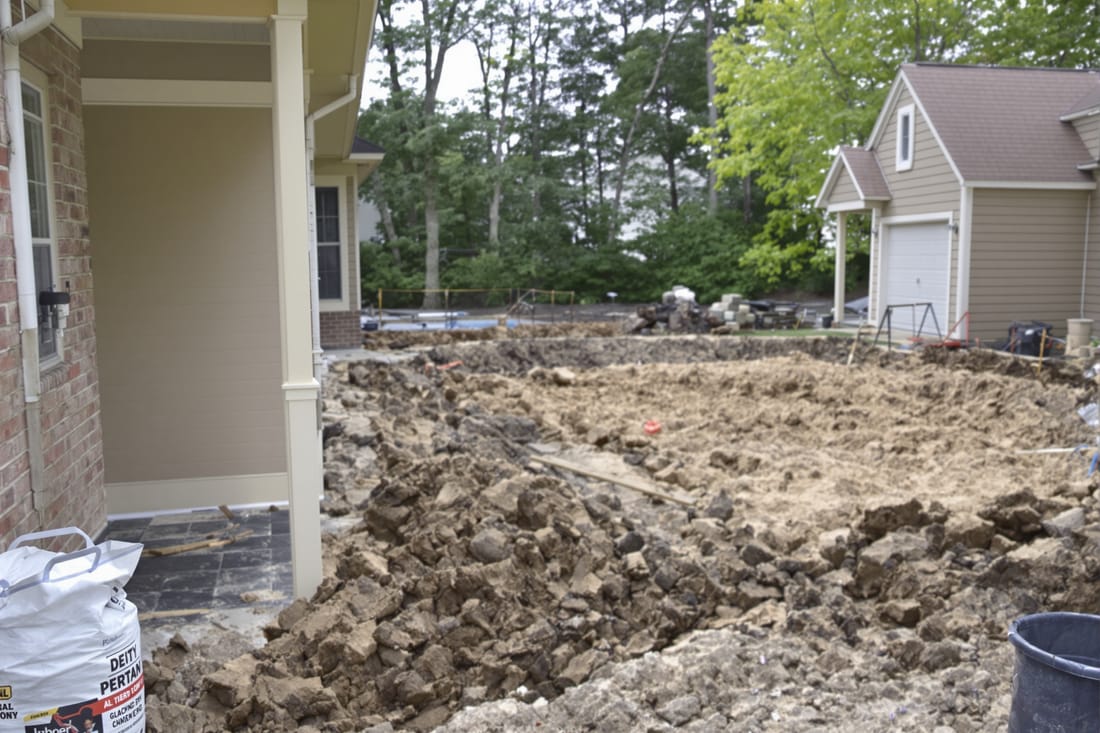
Compaction is a constant issue in Colorado, especially on new builds where heavy equipment has rolled over the lot repeatedly. Our crew uses skid steers, box blades, and drag mats to break up ruts and hardpan, then we finish grade with lighter passes so we do not crush all the air back out of the soil. On tight residential sites we often switch to smaller equipment or hand rakes for the final inch to avoid leaving track marks that would show through the hydroseed.
Slopes need special attention. For banks steeper than about 3:1, we may cut small benches or contours so water slows down instead of racing straight downhill. In some cases, we roughen the slope surface with tracking marks that run horizontally. This creates tiny shelves that catch mulch and seed. Where Denver storms hit slopes hard, we may recommend adding fiber rolls, straw wattles, or erosion blankets along with the hydroseeding mix for added stability.
Before we call a grade finished, we check it visually and with simple tools like levels and string lines. We also do a walk test, feeling for soft spots, ridges, or hidden dips. Small corrections at this stage save a lot of frustration later when water finds the shortcuts you did not expect.
Site preparation details: cleanup, compaction control, and what you should handle first
Hydroseeding site preparation covers more than just soil and slopes. Legendary Hydroseeding Denver deals with obstacles, cleanup, and the small details that make it easier for you to live with the yard during and after the project.
We start by identifying what needs to be removed or protected. Old concrete chunks, rebar, buried construction debris, and leftover stumps are common in Denver yards, especially in rebuilt or infill neighborhoods. We remove what will interfere with grading and roots, and we will tell you if we uncover anything larger that may need separate excavation, such as an abandoned footing or large tree root.
Compaction control is handled in layers. After rough grading, we open up the top few inches with harrows or power rakes, then add topsoil and lightly track it. The top half inch is left loose and raked smooth to receive hydroseed. This way, the mulch and seed can settle into the surface instead of sitting on a crust. Overly smooth, polished dirt from dozer blades can shed water and seed, so we avoid that "parking lot" finish.
Ahead of our work, we often suggest that homeowners finalize underground utilities like sprinkler lines, low-voltage lighting sleeves, and any planned drain pipes. It is much cheaper to trench in these items before final grading and topsoil than to cut through a finished hydroseeded surface. If your irrigation is already installed, we work around heads and valves carefully, flagging everything and adjusting grades to maintain proper coverage patterns.
Cleanup is part of the job. We rake or blow soil off driveways and sidewalks, remove large rocks from the finished surface, and leave access paths you can walk on without sinking. If weather rolls in, which is common in the Denver afternoons, we secure the site so loose soil does not wash into the street. When conditions allow, we try to coordinate grading and seeding in a tight window so there is less time for wind or foot traffic to disturb the prepared surface.
How Legendary Hydroseeding Denver estimates, schedules, and coordinates with your hydroseeding
To keep costs clear, Legendary Hydroseeding Denver breaks our estimates into separate line items for topsoil, grading, and prep work, then ties that into your hydroseeding plan. You see exactly how many cubic yards of soil we plan to bring, what equipment we expect to use, and how much time we are allocating for finish work. If your budget is tight, we will walk you through what is critical for success and what could be scaled back or done in phases.
Access, slope, and the presence of existing landscaping are the main factors that change pricing in Denver. A flat, open new-build backyard with a wide gate is at one end of the cost range. A steep, terraced yard with only a narrow side gate and mature trees to work around is at the other. We explain these factors before we start so you are not surprised by change orders later. If we run into something unexpected, like saturated clay below the surface or hidden debris, we stop and show you the problem before recommending fixes.
Scheduling is built around local weather patterns. In the Front Range environment, our preferred windows for full prep plus hydroseeding are spring and early fall when daytime temperatures are moderate and watering demands are reasonable. In mid-summer we may adjust schedules to avoid working wet soil after intense storms, and we will talk with you about irrigation capacity since young seed on new topsoil can dry quickly in high heat and low humidity.
We coordinate site preparation and hydroseeding as a single process instead of treating them as unrelated tasks. The same project lead that oversees grading also signs off on the surface before the hydroseeding truck ever mixes mulch. This keeps accountability clear and reduces finger-pointing if issues arise. At the end, we walk the site with you, explain where to avoid foot traffic, how to water new seed on fresh topsoil without creating ruts, and what to watch for during the first few heavy rains. Our goal is that you understand not only what we did under your lawn, but also how to protect that investment as it grows in.