Home › Hydromulching and Bonded Fiber Matrix
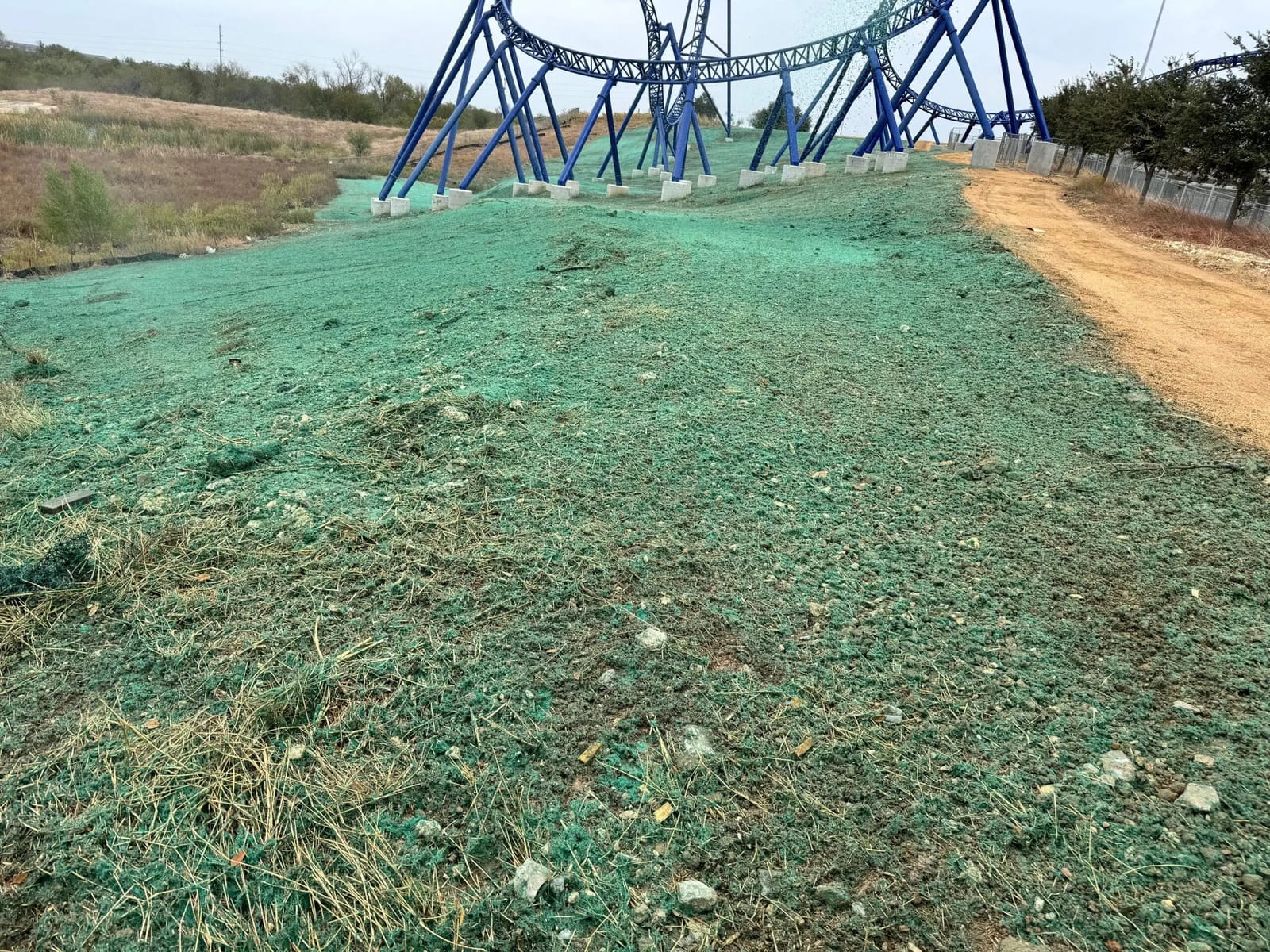
Our hydromulching services in Denver, CO provide advanced erosion control for challenging slopes and channels. We install standard hydromulch and bonded fiber matrix systems that lock to the soil surface. These products deliver superior performance where traditional seeding and blankets are not enough.
Legendary Hydroseeding Denver provides professional hydromulching services throughout Denver, CO, Colorado and the surrounding area. Our licensed, insured crew delivers safe, clean, on-time work with a free estimate before anything begins. Call 720-734-8802 or request your free quote.
Hydromulching & Bonded Fiber Matrix Tailored to Denver’s Slopes and Soils
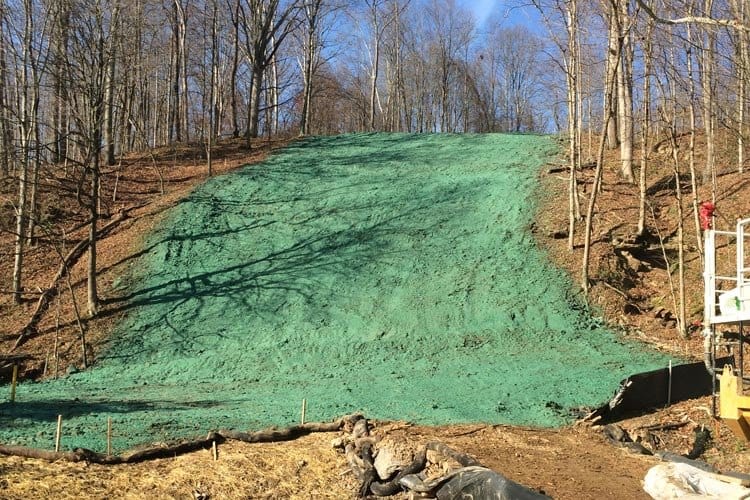
At Legendary Hydroseeding Denver, our hydromulching services and bonded fiber matrix (BFM) installations are engineered specifically for Colorado’s Front Range conditions. We focus on steep slopes, disturbed construction sites, and high visibility areas where erosion control and fast vegetation are both critical.
Hydromulching is a sprayed application that combines water, mulch, seed, fertilizer, tackifier, and soil amendments into a slurry that is applied under pressure. Bonded fiber matrix is a more robust version. It uses a heavier wood fiber mulch and a stronger binder that cures into a flexible, water permeable blanket on the soil surface.
In the Denver area we routinely handle sites where native soils are rocky, compacted, and low in organic matter. Our team evaluates slope gradient, exposure, and soil type at each property so we can recommend either standard hydromulch, high performance BFM, or a combination. For example, a gentle 3:1 slope in a residential yard may only need hydromulch, while a 1.5:1 highway embankment typically requires BFM to resist intense summer thunderstorms and snowmelt runoff.
Step-by-Step Process: From Site Evaluation to Final Walkthrough
Every hydromulching and bonded fiber matrix project in Denver starts with a site visit. We measure slope ratios, identify drainage paths, and check for existing vegetation that should be protected. Soil texture and compaction are assessed using simple field tools and hand probes so we know whether ripping or topsoil import is required.
Preparation is the most important step. Our crew removes large rocks and construction debris, rough grades the surface, then scarifies or rips compacted areas to a depth of 2 to 4 inches. On fill slopes or new construction, we often recommend adding a 2 to 4 inch layer of screened topsoil blended with compost to improve water holding capacity and nutrient content.
Once grading is approved, we mix the slurry on site in our hydroseeding unit. For hydromulch, the tank is filled with water, dyed cellulose or wood fiber mulch, seed blends selected for Denver’s elevation, starter fertilizer, soil amendments such as lime or gypsum when needed, and a tackifier to lightly bind everything to the surface. For BFM applications, we load a heavier wood fiber product at higher rates and use a specialized binder that creates a denser matrix.
The slurry is sprayed in overlapping passes using hydraulic pressure. On steep slopes and around structures like retaining walls, we use fine control nozzles and extension wands for full coverage without overspray. After application, we walk the site, check coverage thickness with a simple depth gauge, and correct any thin spots before leaving.
Material Options and How We Customize Them for Denver Conditions
Hydromulching and BFM performance depends heavily on the components used. Legendary Hydroseeding Denver maintains a standard set of mixes for the Denver metro area, but we routinely modify them based on elevation, irrigation availability, and desired appearance.
Mulch type: For most residential and light commercial hydromulching, we use premium wood fiber mulch because it holds more water and clings better to slopes than basic paper mulch. For bonded fiber matrix, we use engineered wood fiber products specifically rated for steep slopes and high shear stress. These create a thicker mat, often 3,000 to 4,000 pounds of material per acre compared to about 1,500 to 2,000 pounds for standard hydromulch.
Seed mixes: In Denver, we commonly recommend drought tolerant turf-type tall fescue blends for irrigated lawns and native shortgrass prairie mixes that include blue grama and buffalo grass for low water landscapes. On slopes near open space or drainage corridors, we shift toward native erosion control blends that include deep rooted bunchgrasses and occasional wildflowers to stabilize the soil long term.
Amendments and binders: We adjust fertilizer levels to avoid surge growth that can fail during a dry spell and instead aim for slow, steady establishment. Tackifier and BFM binders are chosen based on wind exposure and slope length. On west facing slopes above I-70 or C-470, for example, we typically increase binder rates to withstand strong afternoon winds and intense, short duration storms.
What Drives Cost for Hydromulching and BFM in Denver
Customers often ask why one slope costs more than another, even at similar sizes. The main drivers are slope conditions, level of erosion risk, and material selection.
Slope and access: Steeper slopes require higher mulch and binder application rates and more labor time. If our crew must run long hose lines up a hillside or work around retaining walls and existing landscaping, setup and application take longer. Limited access that prevents us from getting the hydroseeding truck close to the work area will also increase cost due to extra labor and pump time.
Material type and rates: Standard hydromulching is generally less expensive than bonded fiber matrix because it uses lighter mulch rates and less binder. BFM applications can use 1.5 to 2 times the material per acre and specialized binders, and this is reflected in the price. Native seed mixes with a high percentage of slow growing native species are often more costly per pound than basic lawn seed, but they typically require less irrigation and maintenance over time.
Site preparation: Poor or compacted soils, existing weeds, or the need for imported topsoil all increase project cost. On many Denver infill sites, builders strip away topsoil, leaving dense clay or fill material. We will be transparent about whether light scarification is sufficient or if you truly need additional soil or compost to get reliable results. Investing properly in prep prevents expensive rework when seed fails to establish.
Handling Denver Weather Challenges: Wind, Storms, and Dry Spells
The Denver climate creates unique challenges for hydromulching services and BFM installations. Spring and early summer can bring intense, localized thunderstorms, while late summer and fall can be hot, dry, and windy. We design our approach to function within these extremes.
Wind: Hydromulch and BFM both create protection against wind erosion once applied, but wind can affect application quality. Our crews monitor forecasts and avoid spraying during high wind events. On moderately windy days we adjust nozzle settings and application distance, and in exposed areas we often increase tackifier or binder rate. This reduces the risk of mulch shifting before it has a chance to cure.
Rain and stormwater: For slopes that tie into drainage swales, culverts, or roadside ditches, we pay special attention to flow paths. In high risk areas we may recommend combining BFM with biodegradable erosion control blankets at the toe of the slope or around outlet structures. The BFM resists raindrop impact and sheet flow, while blankets help with concentrated flows in specific channels.
Dry periods and irrigation: In many Denver neighborhoods irrigation availability is limited or subject to watering restrictions. During our consultation we ask detailed questions about your watering capacity. If irrigation is minimal, we select deeper rooted native species and may time the application to coincide with seasonal moisture, often late spring or early fall. We provide a written watering schedule adjusted for local watering rules so you know exactly what is needed for establishment.
Common Problems and How Legendary Hydroseeding Denver Prevents Them
Hydromulching and bonded fiber matrix are powerful tools, but poor planning or execution can lead to disappointing results. We focus on preventing the issues we see most often in the Denver market.
Uneven germination: This usually occurs when the surface is not properly prepared or when coverage is inconsistent. Our crews use overlapping spray patterns and visually inspect coverage during application. On slopes with varying aspects, such as one side facing north and another south, we sometimes adjust seed rate or species composition slightly to account for differing moisture and sun exposure.
Sloughing or sliding: On very steep or extremely smooth subgrades, the mulch or BFM can slide before curing, especially after a sudden storm. To counter this, we ask grading contractors to leave a roughened, tracked surface instead of a polished slope. If that is not possible, we can mechanically roughen the slope ourselves before applying BFM. In critical locations we may also recommend check slots or horizontal benches to break up slope length.
Weed pressure: Construction sites around Denver often have seed banks full of invasives like kochia or cheatgrass. While no method can remove all weed seeds, we reduce future pressure by removing existing weed growth before application and choosing dense, competitive species in our seed mix. We also provide guidance on early selective mowing and spot treatment so desirable grasses outcompete weeds during the first growing season.
What Denver Property Owners Should Know Before Hiring for Hydromulching Services
Before you hire any company for hydromulching services or bonded fiber matrix in Denver, there are several practical questions that can protect your investment.
Ask about local experience: The company should be able to show you completed projects in the Denver metro area and along the Front Range, not just generic photos. At Legendary Hydroseeding Denver, we maintain a portfolio of slopes and sites similar to yours so you can see real outcomes in similar conditions.
Clarify the specification: Get clear written information about application rates, seed species, and whether the solution is hydromulch or full BFM. True bonded fiber matrix will list higher mulch and binder rates and should be specified for steep or high risk slopes. Make sure the proposal includes site preparation steps, not just the spraying portion.
Discuss watering and maintenance: Hydromulching and BFM provide erosion control and a great seedbed, but they still require moisture and basic care. We provide customers with a tailored establishment plan that explains watering frequency, mowing timing, and what to expect in the first growing season. Having this in writing helps prevent misunderstandings and ensures the new vegetation is given a fair chance to succeed.
Finally, confirm scheduling and seasonal timing. There are windows in Denver where temperatures, soil moisture, and risk of sudden storms line up better for establishment. We will advise if it is more cost effective to wait a few weeks for a better weather window rather than rushing an installation when conditions are poor.