Home › Pipeline and Utility Corridor Hydroseeding
Our pipeline hydroseeding in Denver, CO restores vegetation on long utility corridors and trench lines. We cover miles efficiently, matching seed mixes to terrain and landowner needs. Hydroseeding reduces erosion, restores access routes, and helps you meet restoration commitments.
Legendary Hydroseeding Denver provides professional pipeline hydroseeding throughout Denver, CO, Colorado and the surrounding area. Our licensed, insured crew delivers safe, clean, on-time work with a free estimate before anything begins. Call 720-734-8802 or request your free quote.
Pipeline Hydroseeding That Holds Up In Colorado Conditions
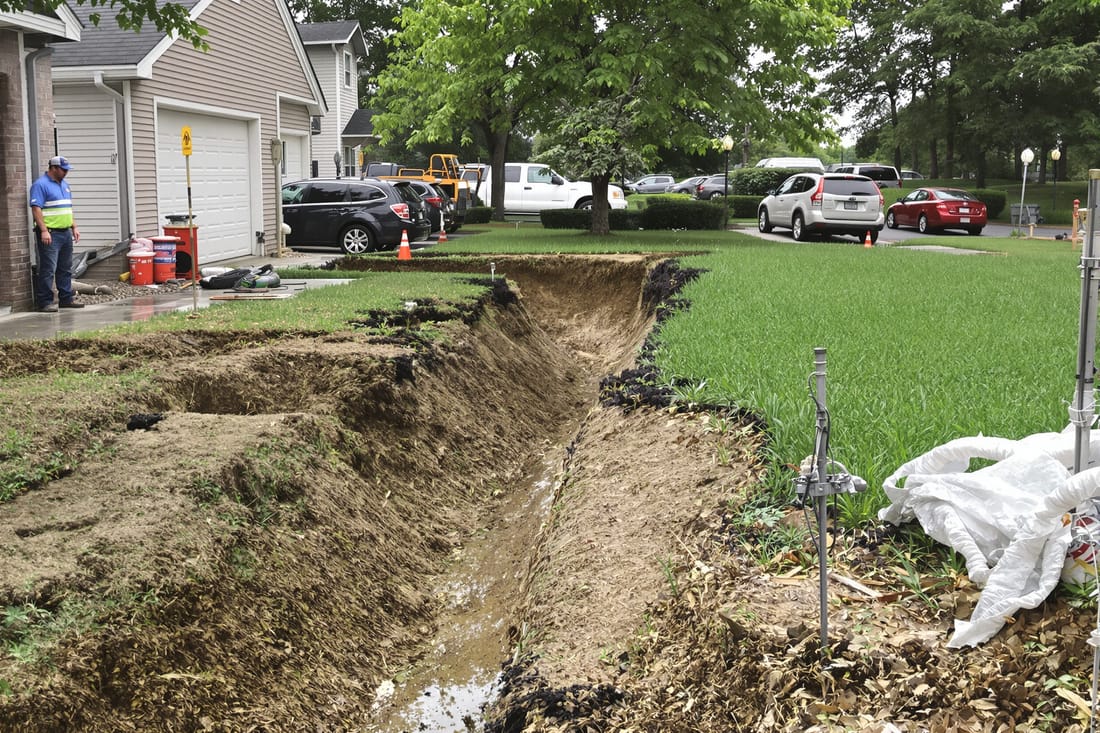
Pipelines and utility corridors around Denver deal with a tough mix of thin mountain soils, clay, high winds, and sudden downpours. Legendary Hydroseeding Denver focuses specifically on stabilizing these disturbed corridors so they do not erode, wash out, or become a constant maintenance headache.
Pipeline hydroseeding is different from seeding a lawn. We are typically working on long, linear cuts where topsoil has been stripped away and slopes have been reshaped by excavation crews. Our job is to rebuild a stable vegetative cover that protects the pipe, satisfies environmental requirements, and blends visually with the surrounding landscape.
For Denver and the Front Range, that means planning for freeze-thaw cycles, summer flash storms, and the fact that many pipeline easements cross both native rangeland and developed areas. We pay attention to transition zones along roads, near residential neighborhoods, and in utility easements so you get coverage that looks intentional instead of a patchy strip running through the property.
Legendary Hydroseeding Denver coordinates directly with pipeline contractors, utility companies, HOAs, and landowners so corridor work ties in with access roads, valve stations, and any future maintenance needs. We want you to get a corridor that stabilizes quickly and stays accessible without turning into a rut-filled mess every time it rains or snow melts.
Our Step by Step Process for Pipeline and Utility Corridor Hydroseeding
On a pipeline or utility corridor, effective hydroseeding starts before any slurry is mixed. Legendary Hydroseeding Denver begins with a site walk, reviewing grades, topsoil depth, and drainage patterns along the alignment. We look at where water is going to concentrate, such as low points, stream crossings, and transitions from cut to fill, and design the approach around those risk areas.
1) Surface prep and soil assessment: We confirm final grading along the corridor, knock down large clods, and remove construction debris that will interfere with seed contact. If topsoil has been stockpiled, we check depth and consistency once it is respread. On compacted utility easements, we may recommend light ripping or track-walking slopes so the mulch can key into the surface instead of sliding off.
2) Seed blend selection: For Denver projects, we rarely use a one size fits all mix. For rural rangeland crossings on the plains, we lean toward native grasses like western wheatgrass, blue grama, and sideoats grama. In foothill or open space corridors, we often add slender wheatgrass or mountain brome. In urban utility corridors, we may use durable turf-type tall fescues that tolerate occasional traffic and municipal irrigation tie-ins. The mix is chosen based on soil, sun exposure, and whether the landowner wants a native look or a more manicured edge near homes and streets.
3) Slurry design and application: We load a calibrated hydroseeder with water, the chosen seed mix, fertilizer (when appropriate under local regulations), tackifier, and either paper, wood, or blended mulch. For steeper slopes or highly erodible soils, we increase mulch rates or use bonded fiber matrix products that lock together when they dry. Our crews spray in a controlled pattern along the corridor so every section receives the designed application rate instead of thin and heavy streaks.
4) Detailing and touch ups: At valve sites, culverts, and access road tie-ins, we adjust the application to avoid overspray on structures while still protecting soil right up to the edge. If we see areas that are too loose, too compacted, or showing water concentration, we address those before leaving the site, even if that means touching up grading slightly or adding extra tackifier.
5) Follow-up reviews: For many pipeline hydroseeding projects in and around Denver, we schedule a follow-up visit after germination to verify coverage, note any rilling or washouts, and recommend spot repairs if needed. This reduces surprise costs later and helps you document that restoration was done correctly.
Material Options Built For Denver’s Slopes, Soils, and Regulations
The materials you choose for pipeline hydroseeding make a big difference in how well the corridor holds during spring runoff or intense summer storms. Legendary Hydroseeding Denver always matches the product to your slope, soil type, and regulatory requirements instead of forcing everything into a single standard package.
Mulch types: On gentle utility easements or flat urban corridors, a standard paper or blended mulch can be cost effective and still establish quickly. On long slopes along I 70, E 470, or other high visibility corridors, we often recommend a heavier wood fiber mulch that stays in place better on thin, rocky soils. Extremely steep or highly erodible slopes may call for a bonded fiber matrix (BFM) that forms a reinforced blanket once cured.
Seed sources: Many Denver and Front Range projects must comply with city, county, or state specs for native or non invasive species. We source certified native mixes when required and document the seed tags for submittals. For utility easements running through residential areas, we can blend native grasses on the back side with more traffic tolerant varieties near sidewalks and driveways so the corridor is both stable and functional.
Fertilizers and soil amendments: Some disturbed corridors have almost no organic matter left after construction. In those cases, we may recommend a starter fertilizer, compost, or soil conditioner to improve water holding capacity. In sensitive watersheds or areas with strict nutrient limits, we can omit fertilizer entirely and rely on native species that are adapted to lean soils, then design irrigation or timing around natural precipitation.
Tackifiers and binders: In Denver’s gusty conditions, especially out on open plains, a good tackifier is critical. We select synthetic or plant based binders depending on the project specs, slope, and expected storm intensity. Higher risk zones like drainage swales or pipeline road crossings can receive increased tackifier rates or a second pass to keep mulch and seed locked down.
By adjusting these components for each section of your pipeline or utility corridor, we help you avoid the common issues of mulch sloughing, patchy germination on ridgelines, or bare spots that show up only after the first big storm.
What Affects Cost On Pipeline Hydroseeding Projects
Pipeline hydroseeding pricing looks simple on the surface, but several factors specific to Colorado corridors can push costs up or down. Legendary Hydroseeding Denver is transparent about these so you can budget accurately and compare bids on equal terms.
Access and water: On many Denver area pipeline routes, especially in Douglas, Jefferson, and Weld counties, access and water availability drive cost as much as the actual seeding. If we can stage onsite with easy truck access and use a nearby hydrant or pond (with proper permissions), costs drop. If the corridor is only accessible by rough two track or is several miles from any water source, we have to figure in water hauling, additional labor time, or smaller equipment, which increases price per acre.
Slope and erosion risk: Flat or gently rolling utility easements cost less per acre because we can use standard mulch rates and move quickly. Long, steep slopes, cuts along highways, and high exposure ridgelines require higher mulch loading, tackifier, and sometimes BFMs, which increases both material and application time.
Seed mix and specifications: Native mixes with multiple species, locally sourced components, or specific ecotypes cost more than straightforward turf mixes. When a project is tied to a municipal or state spec, we follow the mix exactly, which might not be the cheapest option on the shelf. Conversely, for private utility corridors without strict specs, we can often design a cost efficient blend that still stabilizes quickly.
Site preparation: If the grading contractor leaves a smooth, compacted, debris free surface, our crew can move rapidly. If we need to correct ruts, remove leftover construction materials, or address poorly shaped swales, that adds labor. We are happy to coordinate with your grading team ahead of time so everyone understands what “hydroseed ready” actually means and you avoid change orders.
Project size and phasing: Larger continuous stretches can be more cost effective per acre than small, scattered segments, because mobilization is a big factor in pipeline hydroseeding. If your project is broken into several short windows along a schedule, we can plan phasing together so you get the best value without delaying construction milestones.
Before you hire any hydroseeding company for pipeline work, ask for a breakdown of materials, application rates, and assumptions about access and water. That way you can see if a “low bid” is cutting mulch rates, using cheaper seed, or ignoring the realities of Denver’s terrain and weather.
Common Corridor Problems We Solve (And How We Work With You
When pipeline and utility corridor seeding goes wrong, the same issues show up again and again. Legendary Hydroseeding Denver has been called in to fix many of these and designs projects to avoid them in the first place.
Erosion rills and washouts: Long, uninterrupted slopes can develop small channels with the first serious rain. We reduce this risk by combining proper mulch rates, strategic tackifier, and coordination with your erosion control measures such as wattles and check dams. On repairs, we regrade minor rills, reapply mulch at higher rates, and sometimes adjust the seed mix to include faster establishing species.
Thin or uneven stands: This is often caused by poor calibration, wind during application, or inconsistent soil conditions. Our crews check coverage visually during spraying, adjust nozzles and patterns, and focus extra attention on transitions, such as where topsoil depth changes. For problem areas, we can overseed with a slightly different blend that tolerates the specific issue, such as shade from nearby buildings or extra heat along a south facing slope.
Compaction from maintenance traffic: Utility corridors near Denver subdivision edges and commercial zones often see repeated vehicle traffic from maintenance crews. To keep the surface stable, we may separate the corridor into a designated access strip and a vegetated strip, using more durable grasses in the driving path and deeper rooting natives on the non traffic side. We also plan timing around when heavy equipment will be off the corridor so germination is not crushed.
Weed pressure: Disturbed soils invite invasive weeds. While we are not a herbicide contractor, we plan for this reality by recommending pre and post seeding weed management steps and timing seed applications to give desirable species a head start. On some projects, it makes sense to do an initial rough stabilization, knock back weeds after the first season, then perform a targeted reseed.
Communication and documentation: For pipeline owners and utilities, paperwork matters. We provide seed tags, application rate summaries, and simple as built notes so you can show regulators, HOAs, or property owners exactly what was applied and when. During the project, we keep field communication straightforward, sharing any changes we think will improve performance instead of just spraying what was first drawn on paper.
If you have a new corridor to stabilize or an older easement that keeps washing out, Legendary Hydroseeding Denver can walk the line with you, point out the weak spots, and put together a practical plan that fits Denver’s climate and your operational needs.