Home › Stormwater Swale and Rain Garden Hydroseeding
Our swale hydroseeding in Denver, CO strengthens drainage ditches, bioswales, and rain gardens around homes. We apply deep rooting grasses and native mixes that slow water and protect soil. This improves drainage, reduces erosion, and enhances the look of your stormwater features.
Legendary Hydroseeding Denver provides professional swale hydroseeding throughout Denver, CO, Colorado and the surrounding area. Our licensed, insured crew delivers safe, clean, on-time work with a free estimate before anything begins. Call 720-734-8802 or request your free quote.
Stormwater swales and rain gardens that actually work in Denver
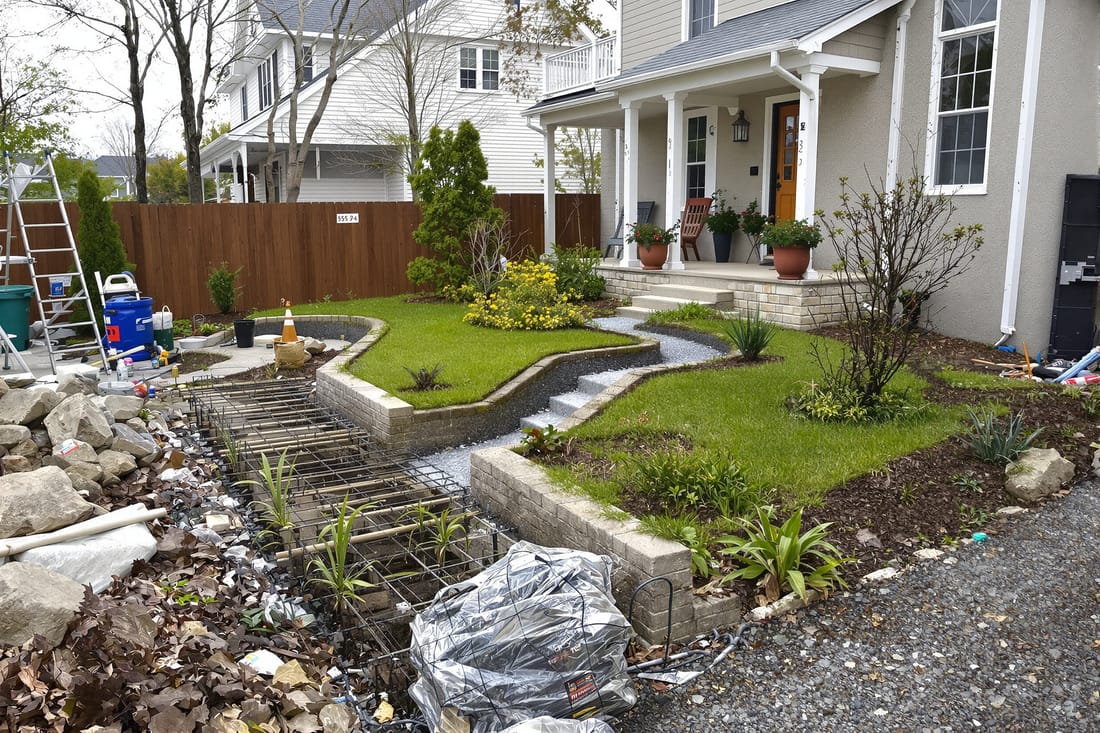
A swale or rain garden is not just a landscaping feature. In Denver it is a working part of your stormwater system, moving and soaking in runoff from roofs, driveways, and streets so it does not flood your yard or wash out your mulch. Hydroseeding is one of the fastest and most reliable ways to stabilize these areas and get dense vegetation established before the next storm.
Legendary Hydroseeding Denver focuses on swale hydroseeding and rain garden hydroseeding that fits our Front Range climate. We build seed blends and application methods around Denver realities: sudden cloudbursts in late summer, dry winds, clayey or compacted soils, and winter freeze-thaw cycles. Our goal is simple. Your swale or rain garden should move water without eroding, filter pollutants, and still look attractive as a landscape feature.
If you already have the swale or basin graded, we can handle the vegetation from soil prep through establishment. If you are still in the planning phase, we can coordinate with your contractor or engineer so the hydroseeding matches your stormwater plan and any applicable local requirements from Denver or nearby municipalities.
Our step-by-step approach to swale hydroseeding in Denver
Effective swale hydroseeding starts long before the slurry hits the ground. Legendary Hydroseeding Denver begins each project with a site walk, ideally during or right after a rain event when possible, so we can see how water actually moves on your property. We check slopes, low spots, downspout locations, and tie-ins to culverts, drains, or street gutters.
Soil preparation is the next critical piece. In many Denver yards, the swale subgrade is compacted by equipment or contains construction debris. We typically scarify or lightly till the top 2 to 3 inches where allowed, remove rocks and rubble, and may blend in compost or a specialized soil amendment in areas where turf or native grasses must root quickly. For engineered rain gardens, we respect the designed soil profile and only prepare the upper layer so infiltration rates are not compromised.
Once the soil is ready, we apply the hydroseed slurry using professional jet or paddle-agitated machines. The slurry usually contains region-specific seed, paper or wood fiber mulch, a tackifier for slope stability, starter fertilizer when appropriate, and sometimes mycorrhizae to help root development. For steeper swales or areas with high-velocity flows, we increase mulch and tackifier rates and may recommend a bonded fiber matrix for extra erosion protection.
After application, we provide detailed watering and traffic control instructions. Most Denver swale projects require light, frequent irrigation for 3 to 6 weeks until vegetation is rooted enough to handle a thunderstorm downpour. We schedule follow-up checks to confirm germination, identify thin spots, and plan touch-ups if needed before the next storm season.
Seed mixes and design choices for Denver stormwater swales and rain gardens
There is no one-size seed blend that fits every swale. Legendary Hydroseeding Denver customizes mixes based on your drainage function, maintenance expectations, and appearance goals.
For residential swales that double as lawn space, we often use durable turf-type tall fescue blends or low-mow fescue mixes that handle occasional foot traffic and intermittent wetness. These mixes are chosen for Denver's altitude, water restrictions, and temperature swings, and are often combined with a small percentage of Kentucky bluegrass or perennial rye to speed early cover.
For more natural rain gardens and bio-swales, especially near open space or HOA common areas, we shift toward native and adapted grasses and forbs. This might include blue grama, western wheatgrass, slender wheatgrass, and selected wildflowers that tolerate both short periods of standing water and long dry spells. We avoid species that spread aggressively into neighboring lawns or open space if your site is near greenbelts or drainage corridors.
If your swale ties into a larger stormwater facility or is part of a commercial or multifamily development, we can work from the civil engineer's approved plant list or help refine it. We pay attention to the "wet toe" zone at the bottom of the swale, the mid-slope, and the upper edges, and may specify different species for these micro-zones so plants are matched to how often they will be wet or dry.
Color and height are design variables too. If you want a clean, low look that blends with mowed turf, we keep species under a certain height and focus on fine-textured grasses. For a more naturalized rain garden appearance, especially in backyards or side-yards, we can include taller flowering plants that support pollinators while still holding the soil in place.
What drives the cost of swale hydroseeding in Denver
Swale hydroseeding is usually more affordable than installing sod or hand-planting plugs across a drainage channel, but pricing does vary. Legendary Hydroseeding Denver is transparent about what affects your quote so there are no surprises.
The biggest cost driver is size and complexity. A straight, accessible side yard swale is simple for our crew and equipment, while a long, winding drainage channel with limited access, retaining walls, or multiple inlets and outlets takes more time and hose work. Steeper slopes or areas where we need a heavier mulch or erosion control matrix also increase material use.
Seed blend selection matters too. Native and specialty stormwater mixes, especially those that include diverse wildflowers, can cost more per pound than standard turf. If your project requires compliance with a specific municipal or engineered seed spec, we source those materials and include that in the estimate.
Site prep can be another variable. If we arrive to a smooth, properly graded, debris-free swale, costs stay lower. If we need to correct grading flaws that trap water in the wrong place, remove rocks or construction waste, or amend poor soil, the labor and materials add to the project. On the other hand, investing in good prep significantly reduces the risk of washouts and rework after a big storm.
Finally, timing and irrigation access play a role. Hydroseeding when soil temperatures are right and when you have a reliable watering plan usually means fewer return visits and touch-ups. If you want us to coordinate with a new irrigation system or temporary sprinklers, we include that planning in the project scope.
Common problems with swales and rain gardens, and how we prevent them
In Denver, the most common complaint about swales and rain gardens is that they either do not drain or they constantly erode and carry sediment into the street. Legendary Hydroseeding Denver approaches swale hydroseeding with those failures in mind so we can avoid them from the start.
Poor germination is often caused by seeding at the wrong time of year or inadequate watering during the first few weeks. We schedule hydroseeding for windows when soil temperatures favor your chosen seed types, typically spring and early fall, and provide a watering schedule tailored to your irrigation system and water restrictions. We also design mixes that include both fast-germinating nurse species and slower, long-term species, so you get quick cover without sacrificing long-term resilience.
Washouts usually happen where water velocity is highest, such as tight curves, discharge points below downspouts, or at the connection to a street inlet. In these areas, we may recommend upgraded protection like heavier mulch and tackifier, reinforced fiber matrices, rock energy dissipaters, or short turf reinforcement mats installed before hydroseeding. We coordinate with your landscaper or contractor so these features and the hydroseed work together instead of against each other.
Another issue is maintenance confusion. A swale is not a normal lawn, and mowing or edging it like one can cause ruts and bare spots. We review mowing heights, timing, and traffic limits with you in detail, and for native or mixed rain garden plantings we discuss acceptable weed levels, selective hand-pulling, and when to trim or cut back vegetation without compromising stormwater performance.
For properties under HOA or commercial maintenance, we are happy to speak directly with the maintenance provider so they understand how to care for the hydroseeded swale or rain garden and what practices to avoid, such as aggressive aeration or heavy equipment in soft soils.
Why work with a local Denver hydroseeding team for your stormwater project
Stormwater facilities in Denver and along the Front Range are shaped by specific weather patterns, frozen ground in winter, and limited irrigation water. Using a contractor that understands these local conditions is just as important as the design of the swale or rain garden itself.
Legendary Hydroseeding Denver brings on-the-ground experience from neighborhoods across the metro area, including older Denver blocks with tight alleys, newer developments in Aurora and Commerce City, and foothill properties where slopes are steeper and soils are thinner. We know how a sudden July downpour can undo weeks of growth if the wrong mulch or seed rate is used in a drainage channel.
Our team is used to coordinating with local builders, HOAs, and municipal inspectors, which matters if your swale is part of a larger drainage plan or permit requirement. We can provide documentation on seed mixes, application rates, and installation dates when needed for compliance.
Before you hire any contractor for swale hydroseeding, ask for details on the exact materials they intend to use, how they will protect high flow zones, and what follow-up support they offer after the first big rain. We encourage those questions and will walk you through our plan so you know how your swale or rain garden will be protected from day one.
If you are ready to stabilize a new drainage swale, rehabilitate an eroding channel, or finally get vegetation established in a problem rain garden, Legendary Hydroseeding Denver can provide a site-specific plan and clear pricing for your property.