Home › Native and Wetland Restoration Hydroseeding
Our native restoration hydroseeding in Denver, CO helps rebuild wetlands, streambanks, and habitat buffers. We use diverse native seed blends matched to moisture zones and regulatory goals. Hydroseeding ensures even coverage, quick stabilization, and strong native plant establishment.
Legendary Hydroseeding Denver provides professional native restoration hydroseeding throughout Denver, CO, Colorado and the surrounding area. Our licensed, insured crew delivers safe, clean, on-time work with a free estimate before anything begins. Call 720-734-8802 or request your free quote.
Native Restoration Hydroseeding in Denver’s Front Range
Native and wetland restoration hydroseeding is very different from spraying a basic grass mix and hoping it grows. In the Denver area, it means rebuilding plant communities that fit our semi-arid climate, variable soils, and local wildlife. Legendary Hydroseeding Denver focuses on native seed mixes and wetland species that are specifically adapted to Front Range conditions, so your restored area has a real chance to survive our sun, wind, and freeze thaw cycles.
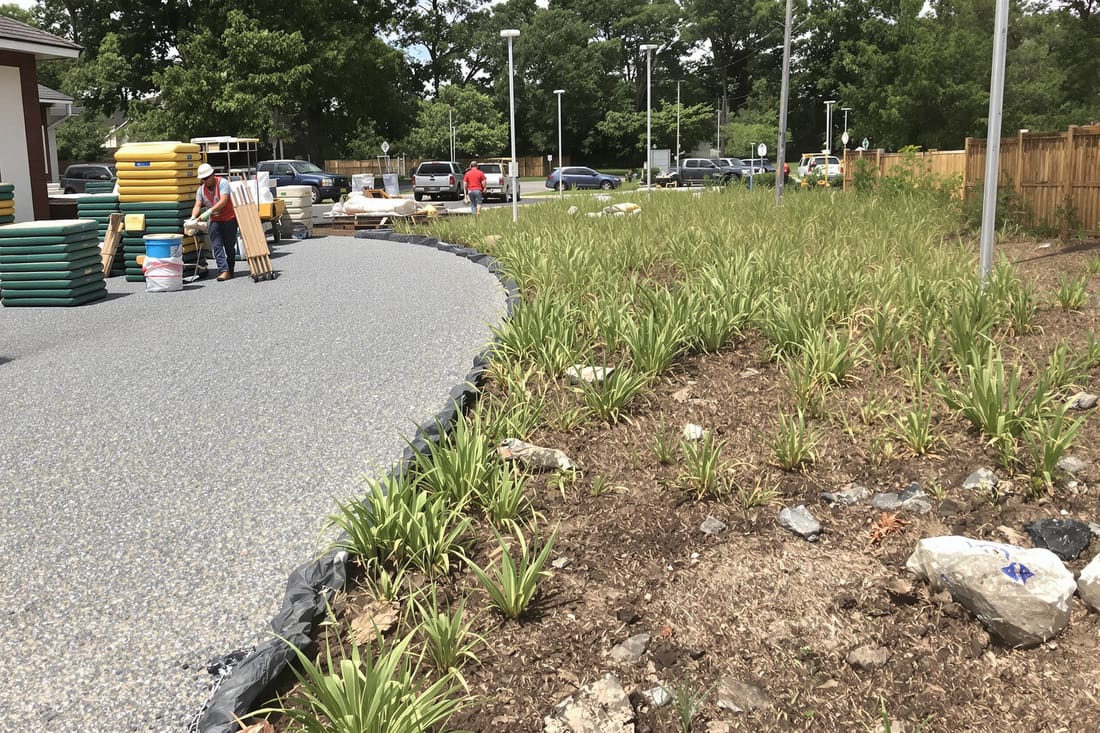
For most clients, this service applies to drainage corridors, detention ponds, streambanks, stormwater outfalls, wildlife habitat projects, and disturbed ground around new developments. We pay close attention to how water moves across your property and how long it actually stays in low spots. That is what determines whether we use upland prairie mixes, riparian edge mixes, or true wetland seed and plugs. Our goal is not just green coverage, but a self-sustaining native plant community that reduces erosion, filters runoff, and looks natural in a Colorado setting.
Many Denver property owners are surprised to learn that native restoration hydroseeding often qualifies as part of stormwater or open space requirements in development approvals. When we scope your project, we look at your engineering plans, grading, and drainage reports so we can match the hydroseed specification to what your city, county, or HOA expects over the long term.
Site Evaluation and Planning for Native and Wetland Areas
Every successful restoration project in Denver starts with a careful site assessment. Legendary Hydroseeding Denver begins by walking the site with you, taking note of slope, exposure, soil texture, compaction, and how water collects or drains. We look at nearby natural areas or open space, which often tells us what plants want to grow there if given a chance. If your site sits near the South Platte, a detention pond, or a seasonal drainage, that will strongly influence the seed selection and installation method.
Soil testing is a key step for disturbed or fill sites. We often recommend a basic soil lab test for organic matter, salinity, and pH, especially around former industrial areas, new subdivisions, or road improvements. The test report guides decisions about compost amendment, topsoil import, or gypsum. Many restoration failures trace back to poorly prepared soil, not bad seed, so we invest time getting this right.
We also review any existing permits and civil drawings. For commercial and municipal sites, Denver and surrounding jurisdictions like Aurora, Lakewood, and Arapahoe or Jefferson Counties may have specific seed mixes or coverage requirements tied to stormwater permits (SWMP) or drainage reports. HOAs sometimes have rules about vegetation height or required native buffer zones. Our team coordinates with your engineer, landscape architect, or GC so that our native restoration hydroseeding matches the approved plans and helps you pass inspections without delay.
How Native and Wetland Hydroseeding is Installed
Once the plan is defined, Legendary Hydroseeding Denver prepares the site. On compacted soils, we often specify deep tilling or ripping to 6 to 8 inches where practical. For restoration slopes and pond banks, we usually scarify the top few inches and blend in screened compost or topsoil where erosion control products will be anchored. We remove construction debris and large rock that can interfere with seed to soil contact.
For many Denver native restoration hydroseeding projects, we create a zoned layout, especially around detention ponds or wetlands. The upper slopes receive a shortgrass prairie mix with native blue grama, buffalo grass, western wheatgrass, and native forbs. Mid slopes that experience occasional water contact get a riparian mix with species like slender wheatgrass, basin wildrye, and Rocky Mountain bee plant. The lowest zones that stay wet receive wetland seed blends and sometimes live plugs, such as sedges, rushes, and cattail in appropriate areas.
We blend the seed with a hydraulically applied slurry that typically includes wood fiber mulch, tackifier, and sometimes a light organic fertilizer tailored to natives. For wetland edges, we may use a higher fiber loading to help stabilize soft soils. The slurry is sprayed using fan patterns to achieve even coverage. On steeper Denver slopes or highly erodible soils, we often combine hydroseeding with erosion control blankets or turf reinforcement mats, spraying seed beneath or into the mat so the vegetation establishes through the fabric.
After seeding, we provide a watering and management guide specific to your site. Native and wetland plants do not benefit from the same heavy irrigation schedule used for bluegrass lawns. Instead, we focus on deep, infrequent watering in the first season, then tapering off as roots develop and seasonal moisture patterns take over.
Seed Mix Design and Material Choices
Choosing the right seed mix is where native restoration hydroseeding succeeds or fails. At Legendary Hydroseeding Denver, we do not rely on generic "Colorado native" bags. We work with regional seed suppliers to build custom mixes that match your elevation, soil, and project goals. For example, a high visibility corporate campus detention pond may call for a more manicured prairie look with a limited number of flowering species, while a habitat mitigation site along a drainage corridor might prioritize species diversity and wildlife value.
For upland and buffer areas, we typically include a blend of warm and cool season native grasses like blue grama, sideoats grama, western wheatgrass, little bluestem, and slender wheatgrass, plus a tailored selection of native wildflowers such as blanketflower, prairie coneflower, and penstemon. Including forbs supports pollinators and beneficial insects, which is often a goal on municipal or environmental projects.
In wetland and riparian zones, seed selection becomes more specialized. We incorporate sedges, rushes, and other hydrophytic species that tolerate saturated soils and fluctuating water levels. For true wet zones, we may supplement hydroseed with live plugs or container plants installed by hand. This combination approach gives immediate plant structure and helps stabilize soils while the seeded species germinate. We can also accommodate low mow or no mow zones, invasive species restrictions, and seed origin requirements that many Denver area agencies and conservation groups include in their specifications.
Costs, Scheduling, and Common Challenges in Denver
Native restoration hydroseeding is usually more cost effective than installing large areas with sod or hand planting, but pricing varies based on several real factors. The largest cost drivers are site access, slope steepness, total square footage, soil preparation work, and whether erosion blankets or wetland plant plugs are required. Custom native seed mixes also cost more than basic turf seed, especially when they include a wide variety of forbs and wetland species.
Seasonality matters in Denver. We often recommend dormant seeding in late fall for many native grasses and forbs, which allows natural freeze thaw cycles to work seeds into the soil and uses spring moisture to drive germination. Spring installations can work well too, but may require more irrigation management. True wetland work commonly takes place when water levels are lowest to reduce disturbance and allow equipment access.
Common challenges include weed pressure on disturbed soils and unrealistic expectations about how quickly a native system looks "finished." Our team sets clear timelines with clients, usually describing a 3 year establishment window. In year one you see initial cover and root establishment, in year two native species begin to dominate, and in year three the plant community starts to resemble a mature prairie or wetland edge. We provide recommendations for mowing heights, spot spraying of invasive weeds, and timing of any necessary follow up overseeding.
By addressing these realities up front, Legendary Hydroseeding Denver helps you budget appropriately, schedule work in the right season, and avoid the disappointment that often follows when a restoration site is managed like a conventional lawn.
Inspections, Compliance, and How We Partner With You
Many native restoration hydroseeding projects around Denver are tied to permits or approvals, such as MS4 stormwater requirements, drainage plan closeout, or open space restoration obligations. Our team is familiar with the documentation and photo monitoring that cities and counties often request to verify that disturbed areas are stabilized and seeded with approved mixes.
Before we mobilize, we review your approved landscape or revegetation plans so that what we install matches what inspectors expect to see. We can provide seed mix labels, application rates, and installation dates for your records. On large or sensitive projects, we may recommend a pre installation meeting with your engineer or inspector to align expectations about temporary irrigation, access routes, and erosion control measures.
For HOAs and private property owners, we pay attention to neighborhood standards and communication. Native restoration areas can look sparse or "wild" during establishment, which sometimes worries neighbors who are used to manicured turf. We can provide simple educational signage that explains the area is under native restoration and lists some of the key benefits, such as reduced water use, better wildlife habitat, and improved stormwater filtration.
From small pond edges to multi acre mitigation sites, Legendary Hydroseeding Denver treats each native and wetland restoration hydroseeding project as a long term partnership. We are available for follow up assessments, spot repairs after severe storms, and guidance on adaptive management so your restored area continues to improve year after year.