Home › Slope, Embankment, and Retention Pond Hydroseeding
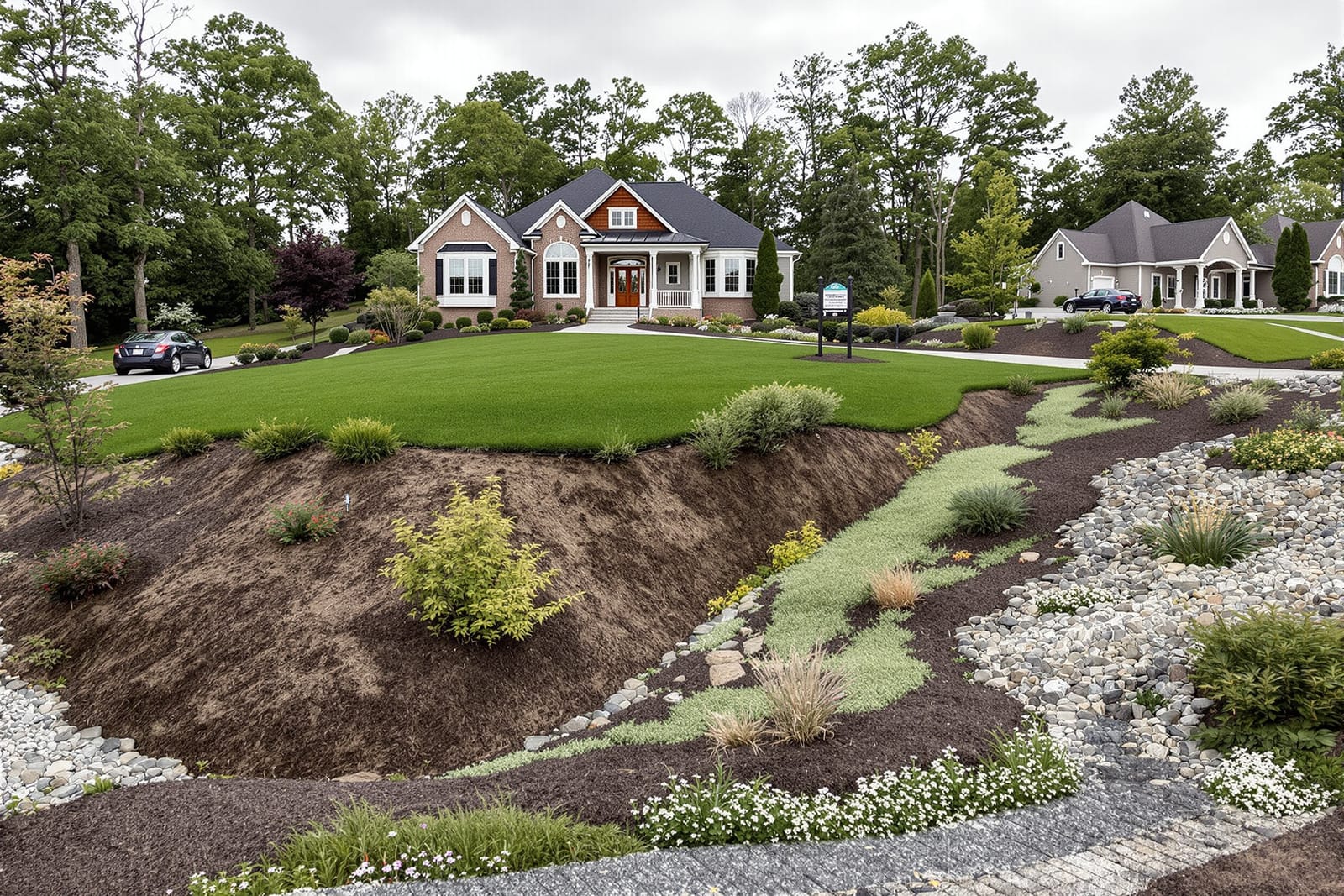
Our commercial slope hydroseeding in Denver, CO secures embankments, retention ponds, and channels on development and infrastructure sites. We use steep slope application techniques, erosion control products, and tailored seed mixes. This combination protects slopes from erosion while establishing long term vegetation.
Legendary Hydroseeding Denver provides professional commercial slope hydroseeding throughout Denver, CO, Colorado and the surrounding area. Our licensed, insured crew delivers safe, clean, on-time work with a free estimate before anything begins. Call 720-734-8802 or request your free quote.
Slope and Embankment Hydroseeding for Denver Sites
Steep slopes around Denver behave very differently than flat lawns. Wind, intense summer rain, spring snowmelt, and freeze-thaw cycles can strip exposed soil in a single season. Legendary Hydroseeding Denver focuses specifically on commercial slope hydroseeding so property owners, contractors, and HOAs can stabilize banks, roadway cuts, and detention facilities quickly and reliably.
Instead of rolling heavy erosion blankets on dangerous or uneven terrain, we apply a custom hydroseed slurry with a turbine or mechanical agitation tank and high-pressure hose from the top, bottom, or road shoulder. This allows us to cover steep highway embankments, retention pond side slopes, and channel banks that are difficult or unsafe to access on foot. Our approach reduces labor risk while giving you uniform seed coverage and erosion control on every square foot.
We pay particular attention to Colorado’s semi-arid climate. Seed blends, mulch rates, and tackifier choices all factor in how well your slope survives chinook winds, late spring snow, and long dry spells. Every slope project starts with a site walk, so we can see soil texture, slope angle, sun exposure, irrigation availability, and where runoff naturally concentrates, then design the hydroseed system based on real conditions, not a generic template.
How Commercial Slope Hydroseeding Actually Works
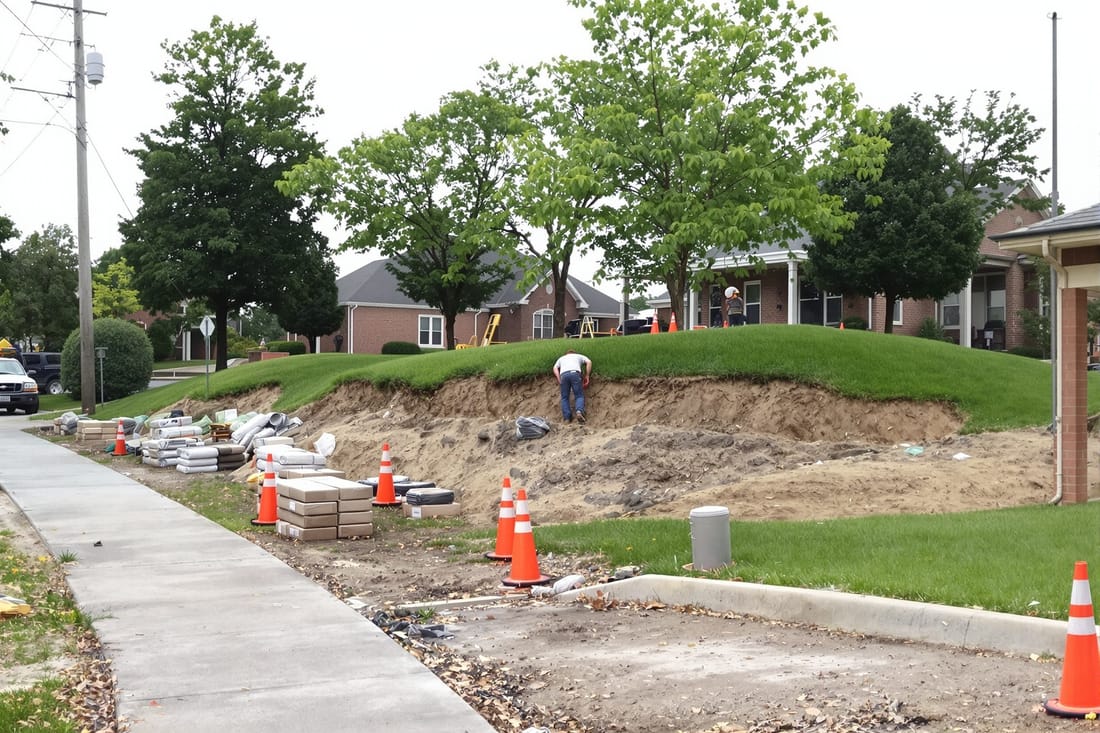
On a typical commercial slope hydroseeding project, the first step is grading and soil prep. If your civil contractor is still shaping slopes, we coordinate so hydroseeding happens after final grading, not between rework passes. We look for ruts, compacted areas from equipment tracks, and any soft spots where water will pool. These are scarified or lightly tilled so roots can penetrate, then we remove rocks and debris that would interfere with uniform coverage.
Next, we focus on soil health. Many Denver sites, especially around new construction, have thin topsoil or exposed fill. Where needed, we recommend incorporating compost, topsoil, or a light fertilizer based on your project specs, municipal requirements, or geotechnical guidance. For retention and detention ponds, we balance nutrient additions carefully to support grass growth without encouraging algae blooms in the basin.
Once the soil is ready, we mix a slurry in the hydroseeding tank. For slopes we typically include a regionally appropriate grass seed blend (often with native or low-water-use species), cellulose or wood fiber mulch, a tackifier to help the slurry cling to steep faces, and fertilizer if specified. The operator then uses fan spray patterns for broad coverage and more concentrated patterns to coat critical areas like slope toes, inlets, outlets, and around storm structures.
Coverage density matters. On steep or highly erosive slopes we may use a two-pass system: a base pass for seed and mulch, then a second, heavier pass focused on erosion control where runoff will be strongest. On retention pond side slopes, we take care not to overload mulch near the normal waterline, to reduce floating debris if storms arrive before full establishment.
Material Options for Slopes, Embankments, and Retention Ponds
Hydroseeding is not a one-recipe-fits-all service. Legendary Hydroseeding Denver chooses material combinations based on your site’s slope, soil, and function, especially for critical infrastructure like retention ponds and drainage channels.
For commercial slope hydroseeding, common seed options include native mixes for long-term low-maintenance slopes, DOT-style erosion control blends for roadsides, and more manicured turf-type fescues for visible corporate campuses and HOAs. In high-visibility areas, we may blend in a small percentage of Kentucky bluegrass for density, while relying on fescues and natives for drought tolerance.
Mulch choices range from basic cellulose mulch for low-risk slopes to premium wood fiber mulches and bonded fiber matrix products for steep or highly erodible areas. Wood fiber holds more moisture and adheres better on slopes, which is valuable in Denver’s dry climate and frequent winds. For very steep embankments, we may specify an engineered fiber matrix that effectively creates a temporary protective blanket once cured.
Retention and detention ponds need specific consideration. Around normal water levels, we use seed varieties that tolerate occasional inundation and periodic dryness. We avoid overly aggressive species that might clog outlets or spread into natural waterways. We also adjust tackifier rates in these zones so the slurry adheres to the side slope and resists sloughing if a storm fills the pond before germination.
Fertilizer, soil amendments, and biological stimulants are tailored to your site and project requirements. On new construction with lean subsoils, a starter fertilizer can speed establishment. On environmentally sensitive projects, we often follow nutrient limits set in the civil plans, watershed rules, or municipal specifications, and can supply blends that meet LEED-oriented or low-phosphorus goals.
Costs, Project Planning, and Timing in the Denver Climate
The cost of slope, embankment, and retention pond hydroseeding in Denver depends on several practical factors. Slope length and steepness affect how much mulch and tackifier we need and whether we can spray from the top, the bottom, or both. Access also matters. Sites that require long hose runs, off-road equipment, or special traffic control generally cost more than open areas reachable by truck.
Material selection is another cost driver. Standard mulch and seed blends are more economical, while high-performance bonded fiber matrices, native seed mixes, or custom-specified DOT and municipal blends increase material costs. For retention ponds, specialized seed tolerant of periodic flooding and added erosion control around inlets and outlets may also influence pricing.
Seasonal timing is critical in Colorado. The best windows for commercial slope hydroseeding in Denver are typically mid to late spring (after soils warm but before extended heat) and early fall (while soil is still warm but air temperatures are cooler). Hydroseeding can be done outside these windows, but summer jobs may require supplemental irrigation or temporary water trucks, and late fall work might not fully germinate until the following spring.
When you contact Legendary Hydroseeding Denver, we ask about project size, slope plans, your construction schedule, and whether irrigation is available. That allows us to propose a realistic seeding window, clarify what establishment care you or your landscaper must provide, and help you avoid paying for a slope treatment that will struggle due to poor timing or lack of water. For large developments and highway projects, we can phase work to match grading and utility timelines so disturbed soil is not left bare through the winter or monsoon storms.
Common Slope Problems and How We Address Them
Slopes and embankments often fail for predictable reasons, many of which can be addressed within the hydroseeding plan. One frequent problem is concentrated runoff, where water follows equipment tracks or small gullies and cuts channels in freshly seeded slopes. To reduce this risk, we coordinate with your grading contractor to smooth ruts, break up long uninterrupted slopes with benches or diversion swales when possible, and direct extra mulch and tackifier to known flow paths.
Another issue is poor germination due to lack of moisture. Denver’s low humidity and strong sun can dry out the top half inch of soil quickly. We help you plan realistic watering schedules, often recommending temporary irrigation or water trucks for the first few weeks if permanent irrigation is not installed. On slopes where watering is difficult, we increase mulch rates and may choose more drought-tolerant mixes to give the seed a better chance.
Wind is a third challenge along Front Range corridors and open sites east of the city. To counter this, we schedule application times when wind is forecast to be lower, use higher tackifier rates, and use spray techniques that keep droplets closer to the soil surface. Our crews visually confirm that mulch and seed are actually adhering to the slope rather than drifting.
For retention ponds, the main risks are washouts from early storm events and long-term erosion around inlets and outlets. We address this by focusing extra attention on the transitions between hard structures (riprap, concrete headwalls, flared end sections) and soil. These areas receive heavier applications and sometimes a different mulch product for durability. If your engineer has specified rock or turf reinforcement matting, we coordinate our hydroseeding to work with those materials, not against them.
We also help owners and contractors recognize when hydroseeding alone is not the right answer. Extremely unstable slopes with active slumps, severe seepage, or structural issues may need geotechnical fixes, retaining structures, or armoring first. In those cases, we can still provide a vegetative cover layer after the structural work is complete.
What Denver Property Owners Should Do Before Hydroseeding
A successful commercial slope hydroseeding project starts with preparation. Before our crew arrives, you should have final grading complete, with slopes shaped, compacted to spec, and free of active construction traffic. Utilities that require trenching through slopes should be in place so the seeded surface is not disturbed right after installation.
If you have existing vegetation, such as weeds or volunteer trees on an older embankment, we typically recommend mowing and removing woody debris, followed by targeted herbicide treatment if allowed by your project documents. This keeps aggressive species from outcompeting the new grass. For retention ponds, sediment or construction debris should be removed from the basin floor and side slopes, and any erosion repairs made first so we are seeding into a stable surface.
Planning for water is one of the most important steps. Hydroseeding is not a spray-and-forget solution. You, your landscape contractor, or your maintenance team should be prepared to water consistent with our guidance, especially during the first 4 to 6 weeks. We provide written watering and mowing instructions that match current Denver weather patterns and any watering restrictions.
Before we schedule work, Legendary Hydroseeding Denver will review your construction drawings if available, confirm seed mix requirements, and clarify who is responsible for erosion control inspections and any touch-ups. On municipal and commercial projects, we can provide product data sheets, coverage maps, and application logs to support compliance documentation. Our goal is to make your slopes, embankments, and retention ponds not only green and stable, but also fully aligned with your project specifications and local requirements.